


 Español
 русский
 عربى
عربى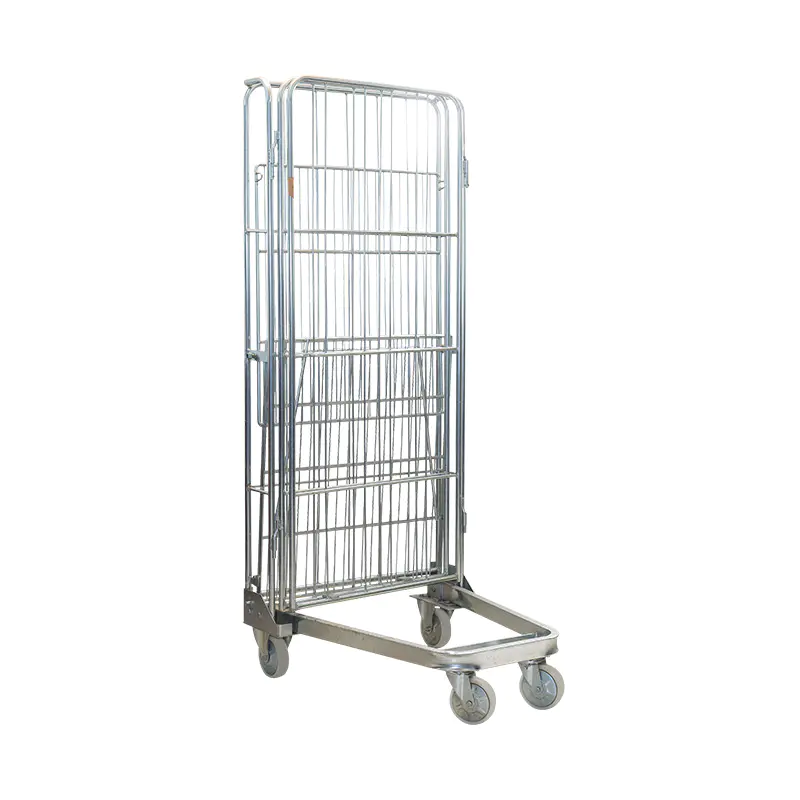
Don't hesitate to send a message
Search
Recent Post
Newsletter
Packing Workstation Tips: How Roll Cages and Picking Trolleys Boost Efficiency
Pending orders pile up beside the belt, a packing slip is taped to the top box, and the worker still has to reach across the table for each carton. The packing table was configured for paperwork, but not for the reality of a fulfillment floor. A truly effective packing workstation is not just a surface on which to cut and tape. It is a small system that includes accessible packing materials, a place for finished order stacks, and rolling equipment that keeps the line moving. That is exactly where metal wire products from Dr. Iron — roll cages, order picking trolleys, and mobile containers — make a measurable difference in daily operations.
What a Packing Workstation Needs to Handle
Packing stations are judged by a simple metric: how many correct orders can leave the area in one shift. To achieve that, the station must handle not just the box, but also the flow of cartons in and out.
No repeated box handling Supplies within reach One-direction flow
The Work Surface and Reach Zone
The table surface should allow the operator to place a box once, not repeatedly move it. Common packing supplies — tape, labels, scanner, packing list, and cushioning — must sit inside a small reach zone. Ergonomic research consistently points to a working height near the operator’s forearm level. That reduces shoulder strain and speeds up repetitive motions.
Quick Steps to Set Up a Packing Station
- Define the order mix — carton sizes, weight, and typical order volume.
- Choose a table height that lets the operator work with the forearm parallel to the floor.
- Place tape, labels, scanner, and packing lists within a 16–18 inch reach zone.
- Dedicate a roll cage or trolley for finished orders.
- Test the layout with a few shifts, then adjust the position of supplies and rolling equipment.
The Supporting Cast: Mobile Equipment
The packed order has to go somewhere. If the operator must walk to a separate pallet rack or stack cartons on the floor, productivity drops. An order picking trolley placed beside the workstation can carry multiple orders at once, hold them in a stable, visible form, and move directly to the staging area. This removes extra steps and keeps the packing surface clear for the next order.
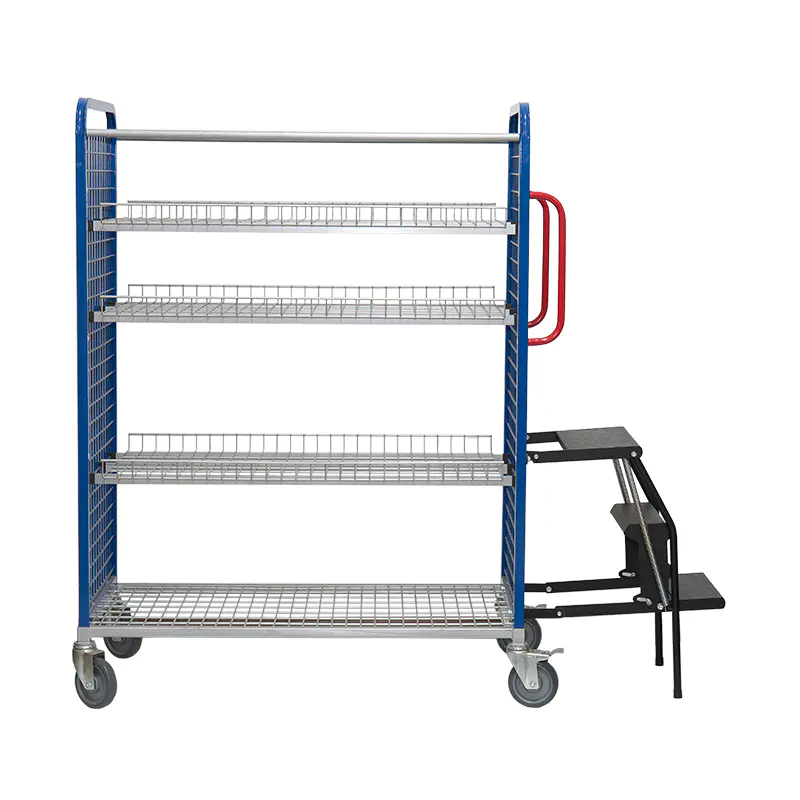 Multi-Tier Wire Mesh Order Picking Trolley with Adjustable ShelvesPlaced beside the packing workstation, this trolley holds multiple orders at once and moves directly to staging. Its adjustable shelves and mesh sides keep items visible and stable, reducing extra steps and keeping the packing surface clear for the next order.View Product →
Likewise, a mobile container gives the operator a buffer for packing materials or bulky small parts. When picking and packing are combined in one zone, this type of support equipment prevents the flow from stopping at the table.
Key Factors When Designing Your Packing Area
The workflow around a packing station can be improved with four priorities:
- Ergonomics: Keep the most-used tools within 16 to 18 inches of the operator. A table height that matches the worker reduces fatigue and increases consistency.
- Space efficiency: In a busy packing area, unused space is wasted space. Equipment that folds or nestles saves floor area and keeps walkways clear.
- Flow direction: Cartons should move one way — from storage, to the packing table, to the staging cage. Reversing direction causes collisions and confusion.
- Durability: Packing areas are exposed to rough handling, moisture from tape, and occasional impact from cartons. A zinc-plated or powder-coated steel surface maintains a clean appearance over years.
Packing efficiency is measured by how little the operator has to bend, reach, or wait. The fastest packing line is the one with the least wasted motion.
This is where the broader insight from our article on wire mesh trolleys improving order picking visibility helps to underline why container design matters more than a larger table. Picking trolleys that remain visible and lightweight enable workers to confirm contents without stopping.
How Metal Wire Equipment Supports Packing Workstations
Metal wire products are a natural fit for packing environments because they combine strength, light weight, and excellent see-through visibility. Suzhou Dr. Iron Metal Technology Development Co., Ltd. brings more than 20 years of metal wireforming, welding, and surface treatment experience to this equipment category.
Every packing station is different. That is why Dr. Iron manufactures these products with flexibility in mind. The company operates automatic welding lines and supports a range of surface finishes, including chrome plating, nickel plating, zinc plating, and powder coating. This means a packing manager can choose a cage that resists corrosion in a cold storage room, or a trolley with a baked-on powder coat that matches company branding.
For example, a U-base roll cage can be placed next to a packing table to hold shrink-wrapped cartons before they are loaded onto the next truck. The window-panel construction of the mesh makes it easy to read labels and confirms that the stack has not shifted. If the packing area sits in a narrow aisle, a Z-base roll cage with a rear handle offers better maneuverability.
 U-Base Roll Container Cage Trolley for Packing Area StoragePositioned next to a packing table, this U-base roll container stores shrink-wrapped cartons before loading. The window-panel mesh allows easy label reading and verifies stack integrity, while its sturdy chassis and castors support stable movement in warehouse aisles.View Product →
Products such as foldable storage cages and mobile containers also support different sides of the packing workflow: storage cages hold loose materials like padded envelopes and void fill, while mobile containers carry small parts directly to the station.
Comparing Packing Station Equipment Options
The choice of supporting equipment affects the daily rhythm of a packing department. The following comparison summarizes the main options relevant to a packing workstation.
| Equipment Type | Primary Use | Key Benefit | Best For |
|---|---|---|---|
| Order Picking Trolley | Carry multiple orders side by side | Reduces walking, increases pick accuracy | High-volume order picking |
| Roll Cage | Consolidate packed cartons for dispatch | Easy label visibility, easy cleaning | Shipping and staging areas |
| Foldable Storage Cage | Store packing supplies or loose goods | Folds flat when not used, saves space | Backstock and reserve zones |
| Mobile Container | Move small parts or packing accessories | Flexible handling at the workstation | Point-of-use supply for packing tables |
The table above clarifies a basic rule: the equipment you choose must correspond to the bottleneck you are trying to remove. A packing station that loses time because of empty box handling needs a mobile container near the table. A station that loses time because workers are waiting for an empty cart may need an extra roll cage on the staging side.
Frequently Asked Questions About Packing Workstations
Q1: What equipment should surround a packing workstation?
A packing workstation usually consists of a sturdy table with height adjustment, a place for packing supplies, and rolling equipment for staging packed orders. Recommended equipment includes an order picking trolley, a mobile container, and a roll cage. Each item serves a specific role in moving the order from the packing table to the next stage without interruption.
Q2: Are roll cages useful for packed goods?
Yes. Roll cages with u-base or z-base designs keep cartons in one consolidated unit. Their open mesh structure lets workers see contents without opening anything, and their smooth rolling casters allow the entire cage to be moved from the packing area to a trailer in one motion.
Q3: What surface finish should I choose for packing equipment?
The answer depends on the environment. For dry, indoor packing stations, powder coating provides a durable decorative finish that resists scratches. For areas exposed to moisture, freezing temperatures, or cleaning chemicals, a zinc-plated finish offers extra corrosion resistance. Dr. Iron can supply both options under one production system.
Q4: Can I customize a packing trolley to fit my space?
Most metal wire products can be customized in length, width, and mesh height. Because Dr. Iron builds on automatic welding lines, adding a specific shelf tier or adjusting the caster type is a natural part of production rather than a special project.
Q5: How do I maintain packing station equipment?
Regular cleaning with a damp cloth protects the surface finish. Check the wheels and bearings every few weeks, especially if carts move over uneven floors. Any metal surface that becomes chipped or scratched can be touched up with a quality paint, or a new component can replace one panel in a modular trolley system.
Build a Cleaner Packing Flow
The packing workstation is not a single table. It is the point where raw products become customer-ready orders, and that process depends on moving cartons away quickly. With the right metal wire equipment — an order picking trolley at the station, a mobile container for supplies, a roll cage for staging — the operator can focus on the task of packing rather than the task of managing clutter.
Dr. Iron continues to expand its understanding of this labor-intensive environment. The company’s manufacturing base in Suzhou, near Shanghai port and major highway networks, supports delivery to markets in Australia, Japan, Germany, the Netherlands, and beyond. For an in-depth view of these concepts, consider our guide on how roll cages revolutionize warehouse supply chains and workplace safety.
Related products
-

Product specification:This Warehouse wire mesh Multi-Tier Order Picking Trolley adopts a chassis and side panel structur...
See Details -
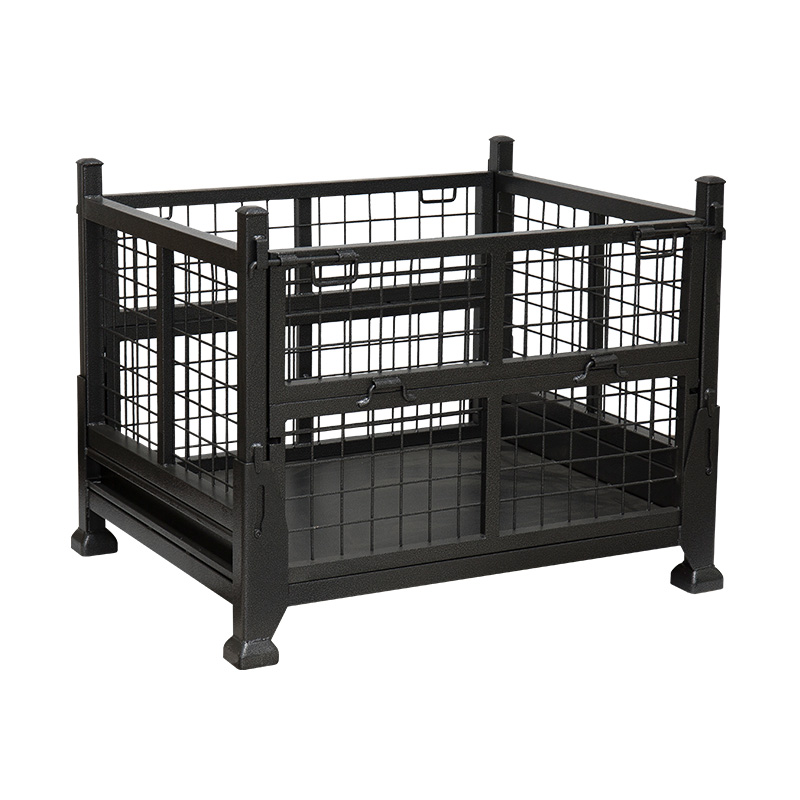
Foldable pallet cages are an important tool in factory logistics. They play an important role in transportation, distrib...
See Details -
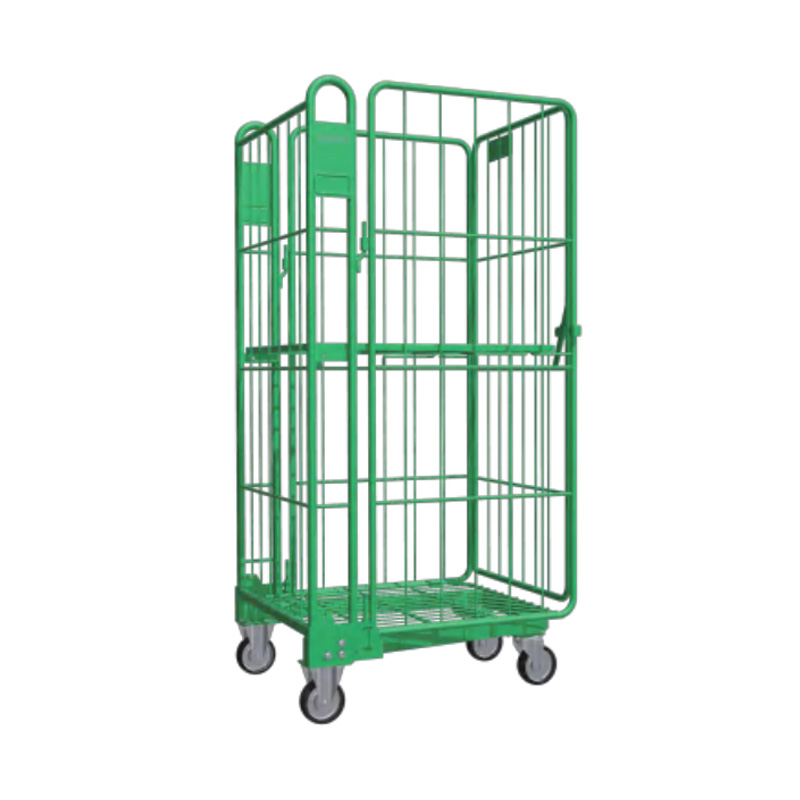
Product specification:The chassis is made of a square tube frame, with a bottom metal sheet tray that can be folded up a...
See Details -
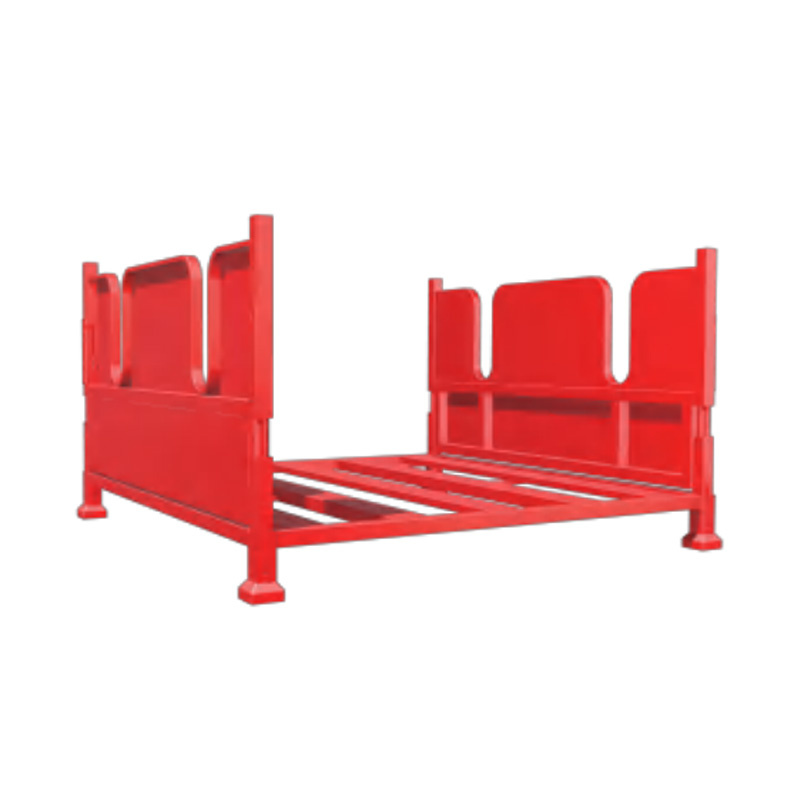
Stacking rack, also known as Qiaogu rack or stacking rackIt is a transportation and storage device derived from pallets ...
See Details -
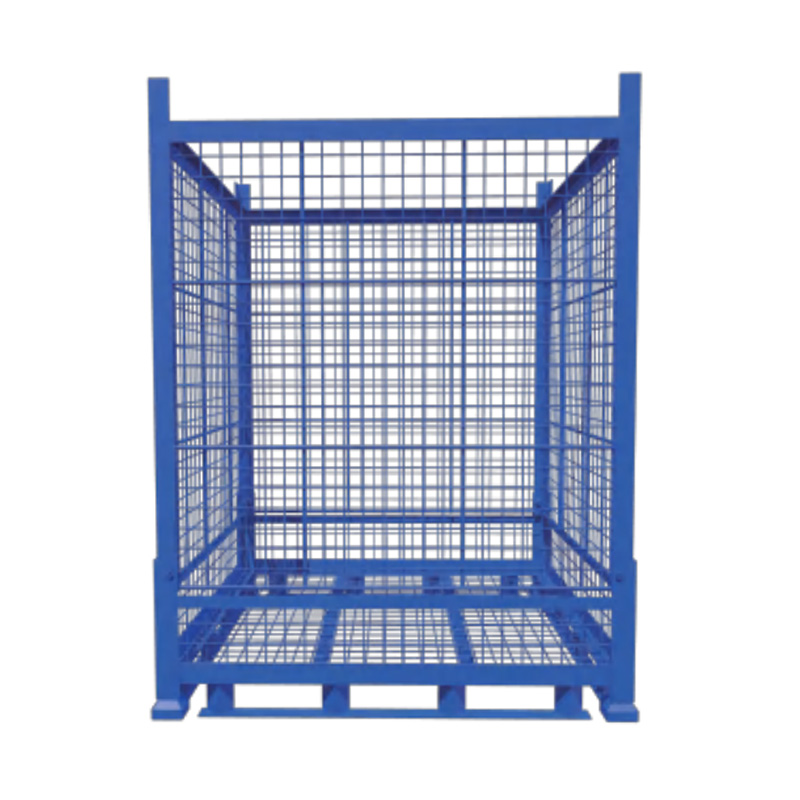
Product specification:Container structure made of L-Type plate frame with 50×50 wire mesh, with base support.Surface tre...
See Details

Information
-
Building B5, No. 138, Weixi Road, Weixi Village, Weitang Town, Xiangcheng District, Suzhou City, China.
-
Tel:
+86-13862140414
+86-13951110334 -
Phone: +86-512-65905480
