


 Español
 русский
 عربى
عربى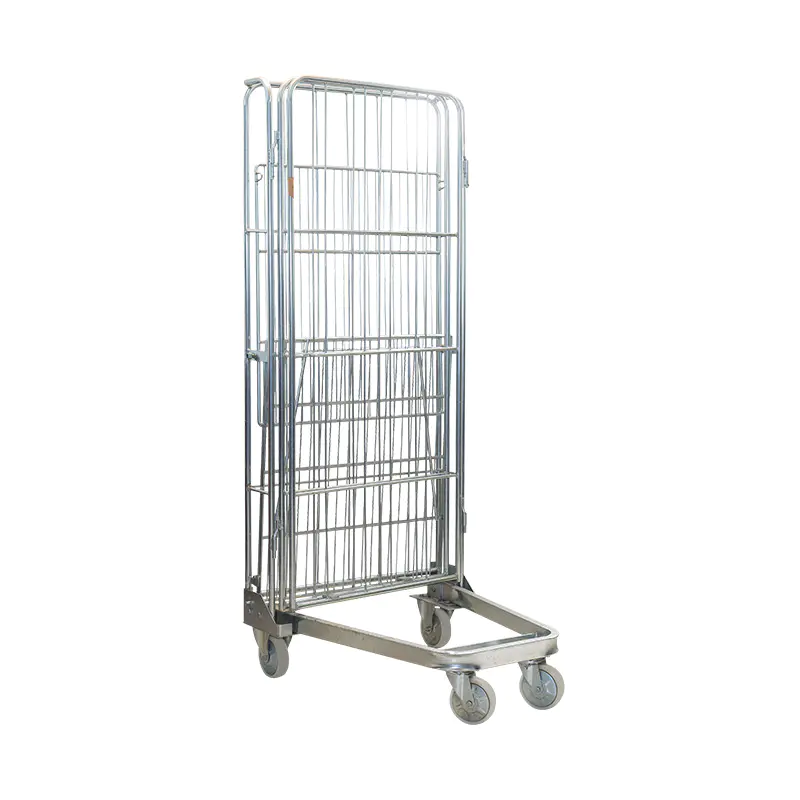
Don't hesitate to send a message
Search
Recent Post
Newsletter
Mobile Gravity Flow Rack: Benefits, Applications, and Buying Guide for Modern Warehouses
A distribution center manager stands at the end of a pick lane and sees a wall of fixed steel. The lane needs to be reassigned, but the rack is bolted down. A mobile gravity flow rack solves this conflict by putting sloped roller tracks on a wheeled frame. The unit can be rolled to a new point, locked, and loaded in under half an hour. This guide explains how this hybrid system works, where it earns its keep, what numbers matter when you buy one, and which maintenance habits keep it safe. If your warehouse changes lanes weekly instead of yearly, the extra cost of mobility is usually worth it.
What Makes a Mobile Gravity Flow Rack Different?
A standard gravity flow rack is fixed to the floor. A mobile gravity flow rack replaces that anchor with heavy-duty casters and lock pins. That small change has outsized consequences: you can move a whole pick lane without touching the cartons inside it.
When a rack moves, the engineering shifts from static load to dynamic load. The caster set and frame must tolerate the weight of the SKUs, the vibration of rolling, and the shock of a quick stop. This is why the best mobile units use reinforcement plates at the frame corners rather than a simple tubular base.
For a five-level unit, the difference in total capacity between stationary and mobile designs is often 20 to 40 percent. You might be able to hold 1,000 pounds on a fixed rack, but a comparable mobile unit may be rated for 600 to 800 pounds. The tradeoff buys you the ability to reconfigure the pick face for a new product mix.
| Stationary gravity flow rack | Mobile gravity flow rack |
|---|---|
| Bolted to slab or rack structure | Casters with lock pins hold the unit in place |
| Layout change requires dismantling and reinstallation | Layout change takes minutes by rolling to a new spot |
| Total capacity reference: 1,000 lb per unit | Total capacity reference: 600–800 lb per unit |
| Best for permanent pick zones | Best for dynamic or seasonal pick zones |
If your product mix is stable and the layout is not going to change, invest in stationary racks. If you run seasonal promotions, multi-wave picking, or a rented space that cannot be altered, choose a mobile design.
Takeaway: Choose a stationary rack when the layout is permanent. Choose a mobile rack when the pick face changes by season or by product wave.
Where Mobile Gravity Flow Racks Deliver the Most Value
The value of a mobile gravity flow rack shows up in places where the floor plan is temporary or where picking waves change often.
Distribution Center Pick Lines
Batch picking creates stop-and-go cycles. With a mobile rack, you can stage the next wave behind the picker and roll it into position as soon as the previous lane empties. Some teams even compare a mobile rack to a mobile order-picking trolley because both keep the goods moving to the worker rather than sending the worker to the goods.
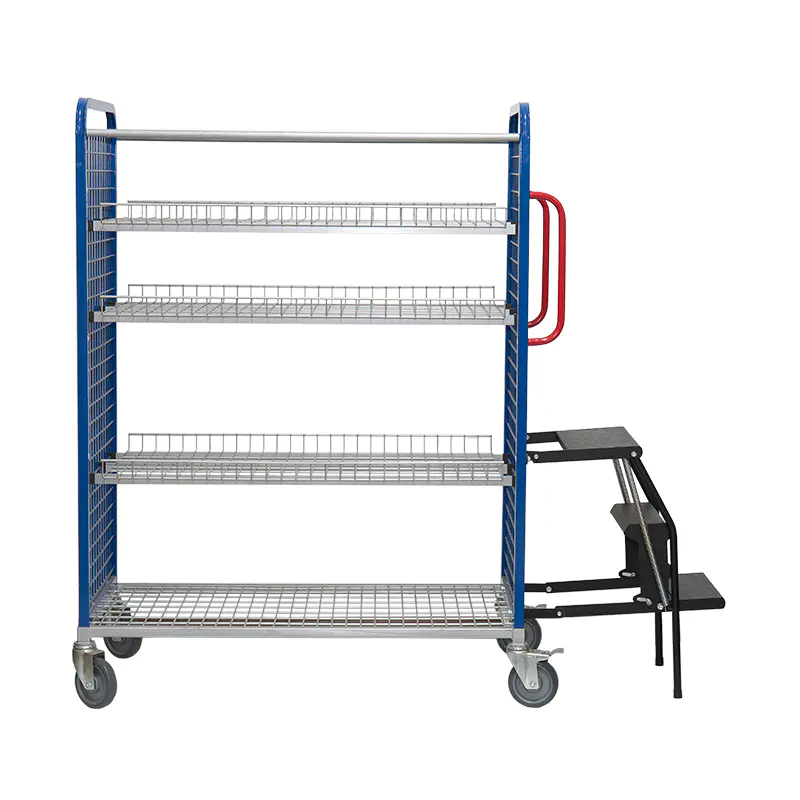 Warehouse Wire Mesh Multi-Tier Order Picking Trolley for Efficient Batch PickingThis multi-tier trolley features adjustable shelves and stable casters, designed to keep goods moving to workers during batch picking, enhancing warehouse efficiency and access.View Product →
Retail Stockrooms
Store layouts rotate with promotions. A wheeled rack can serve backroom receiving and front-of-store replenishment without blocking the main aisle. F.I.F.O. rotation is easier because the rack slides to the shelf face when new stock arrives.
Manufacturing Line-Side Areas
Parts need to be close to the operator without eating floor space. One rack can move between two workstations, which reduces walk time and keeps the production line flexible. If a workstation changes, the rack follows the operator instead of trapping the flow of parts in one spot.
Cold Storage and Perishables
The temperature remains constant, but the layout does not have to be permanent. Mobile racks allow seasonal rearrangement without bringing in installers, so the room never needs to warm up for a reconfiguration.
Choosing the Right Mobile Gravity Flow Rack
Before you specify a mobile gravity flow rack, check four numbers: per-level capacity, total unit capacity, caster rating, and available aisle width. They determine whether the rack will hold the load and roll safely on your floor.
| Spec | What to ask | Typical value |
|---|---|---|
| Per-level capacity | What is the heaviest carton? | 50–150 lb per level |
| Total unit capacity | What is the sum of all levels? | 400–800 lb per mobile unit |
| Caster rating | Can the wheels carry the total load? | 500–1,000 lb per set |
| Roller pitch | Does the carton slide without stopping? | 4°–8° |
| Aisle width | Can you turn the rack without hitting other equipment? | 36–60 inches |
Beyond the numbers, pay attention to the floor. If your concrete has deep expansion joints or uneven seams, use larger casters or dual-wheel casters to reduce shock. Small wheels on a rough floor make a fully loaded rack hard to move at the end of a shift.
Then consider how the mobile rack will work with the equipment around it. Many warehouses park a mobile rack in the pick face of a pallet rack and roll it away when they need access behind it. This approach works best when the surrounding equipment also has a wheeled base. Storage designers often pair gravity flow racks with U-base roll cages or similar devices, which can be repositioned as the flow of goods changes. To see compatible storage and handling products, explore the logistics and storage series at Dr. Iron.
 U-shaped Warehouse Storage Rolling Container Cage Trolley for Flexible StorageThe U-base rolling container offers a stable chassis and foldable shelves, compatible with gravity flow racks, allowing easy repositioning as storage needs change.View Product →
Maintenance and Safety for a Long Service Life
The mobile parts of a gravity flow rack fail first. A five-minute monthly check is enough to catch most problems before a carton pileup or a crushed toe.
Lock the Casters Before Loading
A rack that moves unexpectedly can push a worker into a shelf edge. Always engage the wheel locks before placing the first carton on the roller tracks.
Inspect the Rollers for Debris
Dust, tape fragments, and plastic shavings slow the slide and cause jams. Vacuum or blow out the tracks regularly. Do not oil them, because oil attracts more dust and creates a slip hazard.
Check the Wheel Locks for Full Engagement
Partial lock engagement lets the rack creep during loading. Listen for the click of the pin and give the rack a small push to verify it does not move.
Look at Welds and Caster Forks
Check frame corners where the roller rails meet the vertical supports. A cracked weld is hard to see at eye level but dangerous when loaded. Also inspect the caster forks, because a bent fork makes the rack hard to steer and can cause uneven wear on the wheels.
For slow-moving inventory or overstock, use space-efficient units that also move. A foldable storage cage can store excess stock and collapse when the floor needs to be cleared. Meanwhile, the mobile gravity flow rack keeps the fast-moving cartons within reach. For more on how wheeled equipment can make a warehouse safer and more efficient, read about how roll cages improve warehouse supply chains.
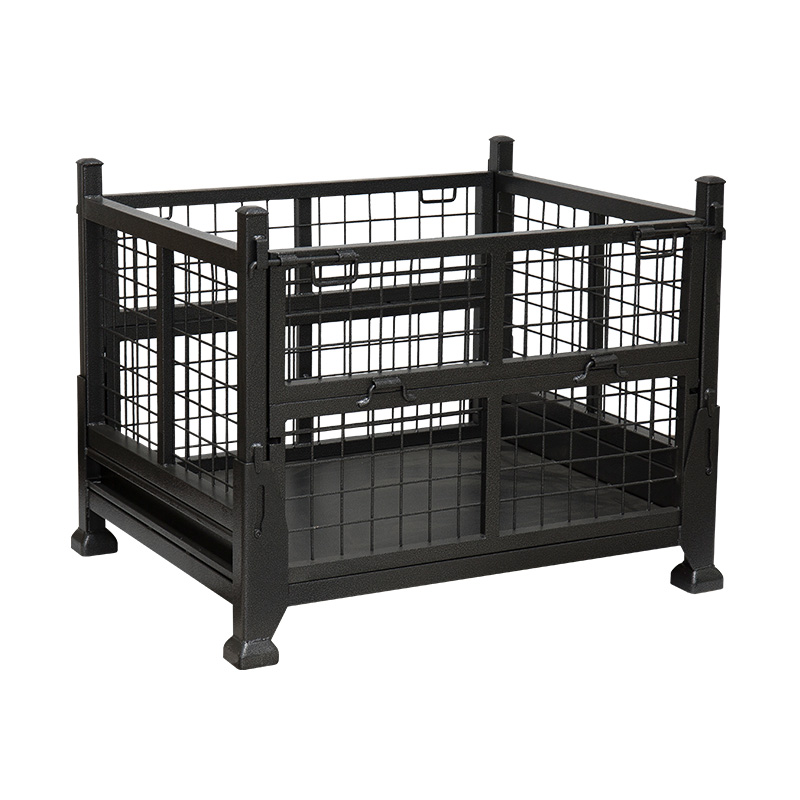 Foldable and Collapsible Pallet Cage for Space-Saving StorageThis foldable pallet cage stacks neatly and collapses to clear floor space, making it ideal for overstock and slow-moving inventory, while improving logistics management.View Product →
Frequently Asked Questions
Q1: What is a mobile gravity flow rack?
A mobile gravity flow rack is a gravity flow rack mounted on casters with lock pins. It uses sloped rollers to move cartons from back to front, and the wheeled base allows the entire unit to be rolled to a new location.
Q2: How much weight can a mobile gravity flow rack hold?
Total capacity usually falls between 400 and 800 pounds, depending on the frame and caster rating. Per-level capacity is often 50 to 150 pounds. Always confirm the heaviest carton weight before ordering.
Q3: How is it different from a stationary gravity flow rack?
Stationary racks are bolted down and support more weight. Mobile racks trade some load capacity for the ability to be repositioned. The right choice depends on how often your layout changes.
Q4: Can a mobile gravity flow rack be used in front of a pallet rack?
Yes. Many warehouses park a mobile rack in the pick face of a pallet rack and roll it away when they need access to the pallet. Do not block fire exits or emergency egress paths.
Q5: Do I need to install floor anchors?
No. The casters and lock pins hold the rack in place. Anchor bolts are not required, but you should verify that the lock pins are fully engaged before loading.
Q6: What maintenance does it need?
Lock the casters before loading, clean the roller tracks monthly, and inspect welds and caster forks quarterly. These steps are simple but prevent most rack failures.
Related products
-

Product specification:This Warehouse wire mesh Multi-Tier Order Picking Trolley adopts a chassis and side panel structur...
See Details -

Foldable pallet cages are an important tool in factory logistics. They play an important role in transportation, distrib...
See Details -
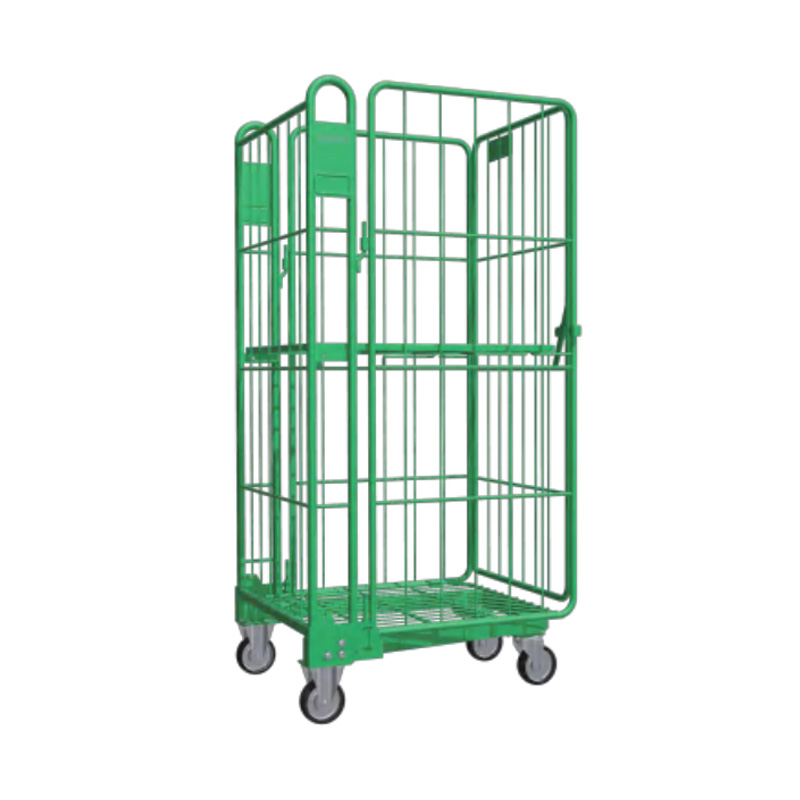
Product specification:The chassis is made of a square tube frame, with a bottom metal sheet tray that can be folded up a...
See Details -
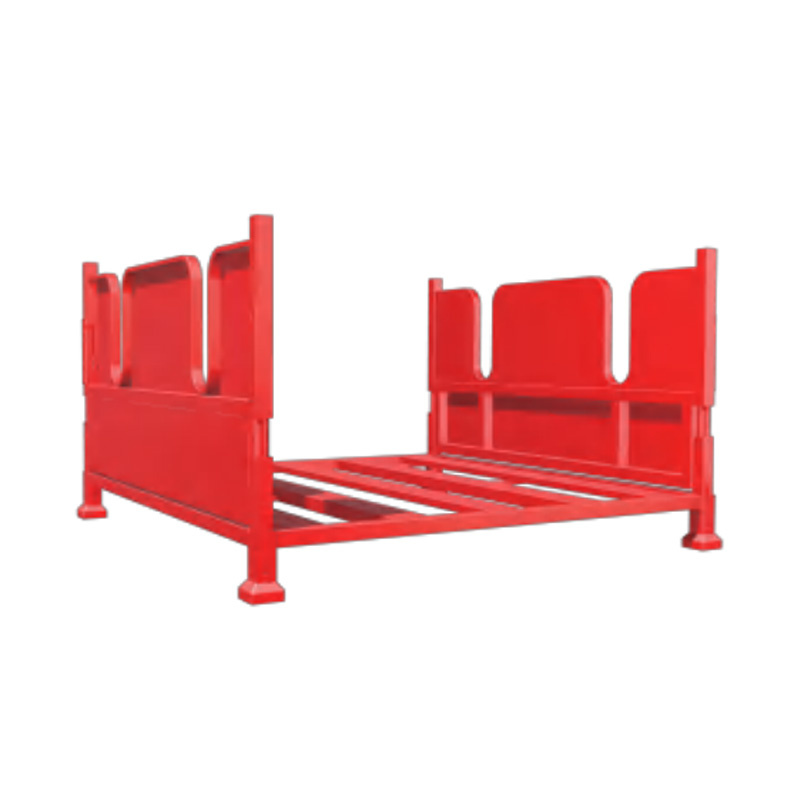
Stacking rack, also known as Qiaogu rack or stacking rackIt is a transportation and storage device derived from pallets ...
See Details -
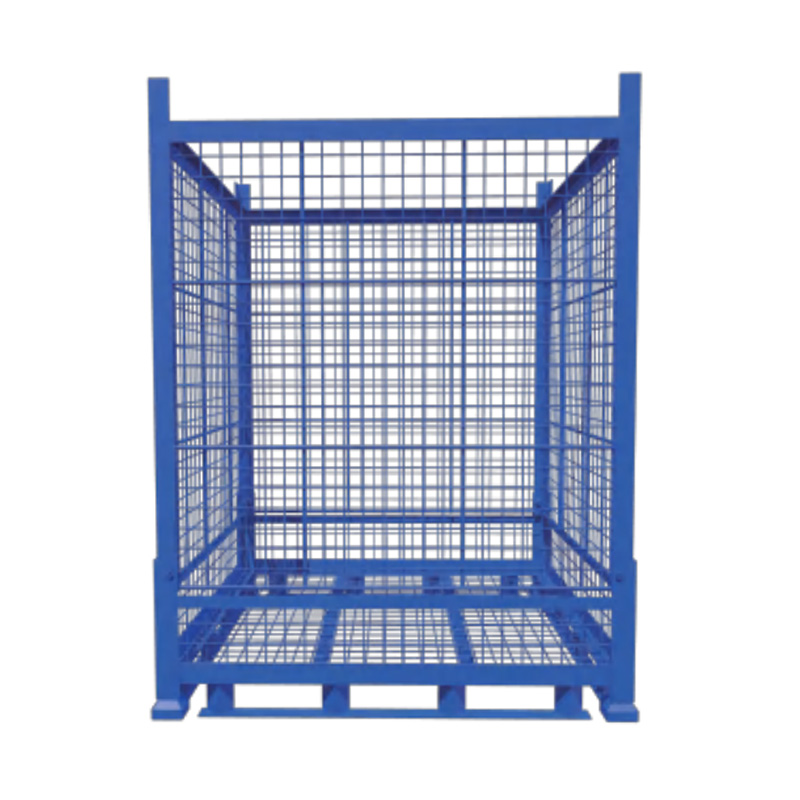
Product specification:Container structure made of L-Type plate frame with 50×50 wire mesh, with base support.Surface tre...
See Details

Information
-
Building B5, No. 138, Weixi Road, Weixi Village, Weitang Town, Xiangcheng District, Suzhou City, China.
-
Tel:
+86-13862140414
+86-13951110334 -
Phone: +86-512-65905480
