


 Español
 русский
 عربى
عربى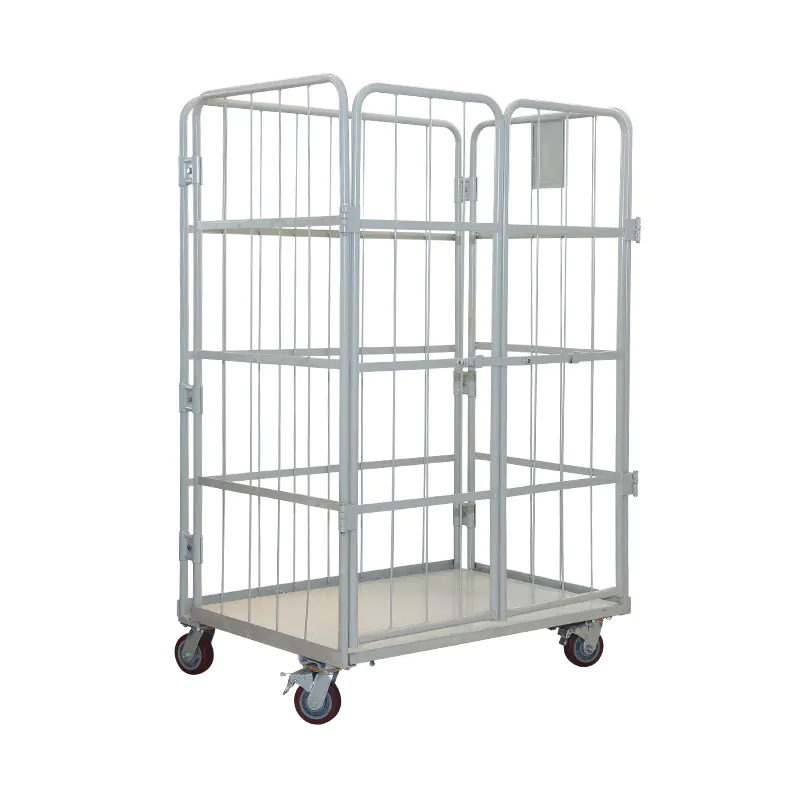
Don't hesitate to send a message
Search
Recent Post
Newsletter
How Wire Mesh Trolleys Improve Order Picking: Visibility, Lightweight Build & Long-Term Durability
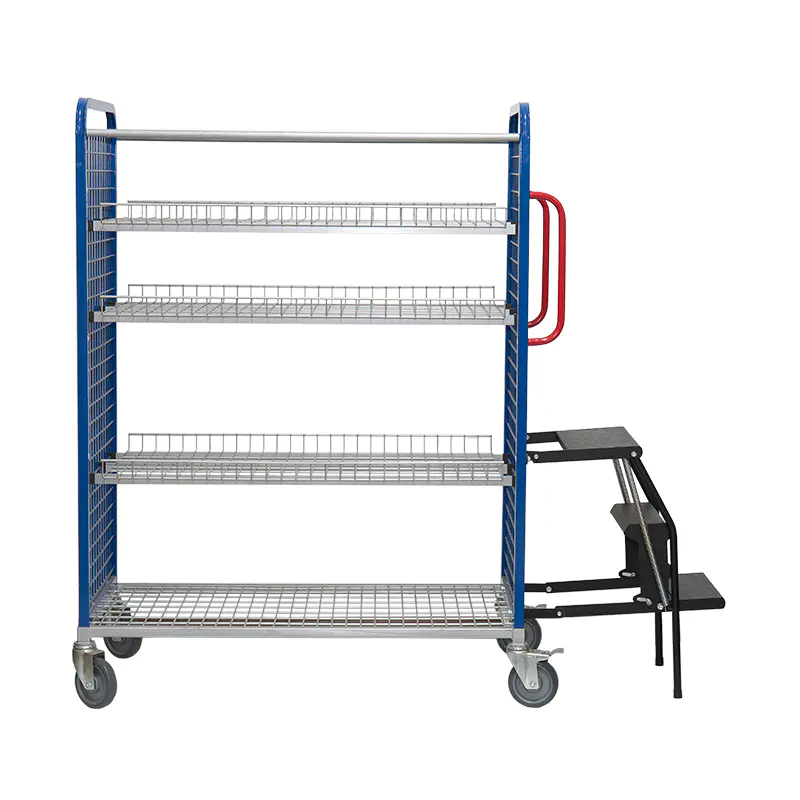
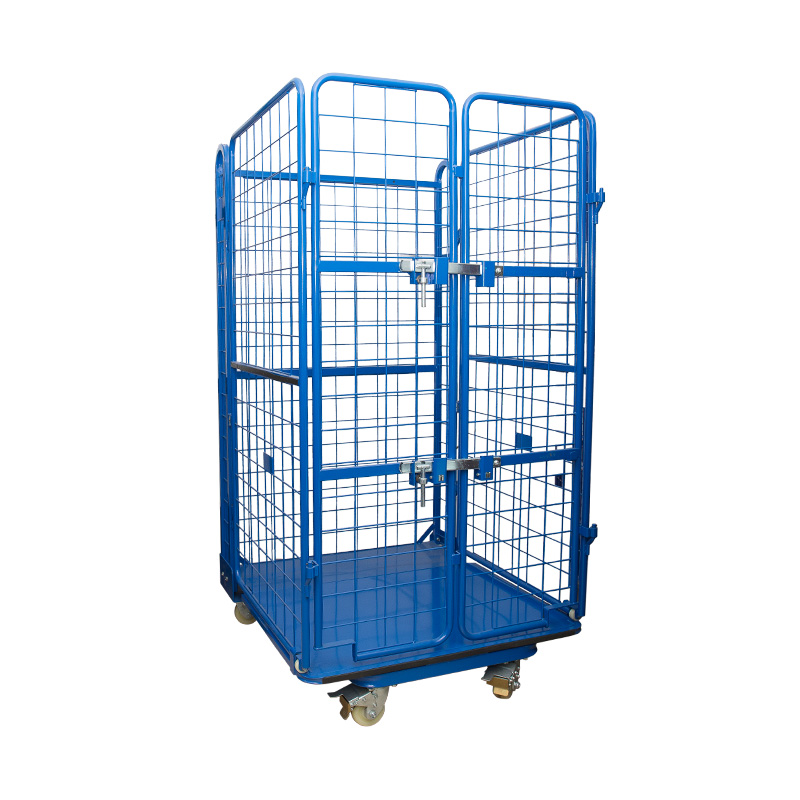
Order picking accounts for 55% of warehouse operating costs. The choice of picking cart directly impacts throughput, accuracy, and worker fatigue. Wire mesh picking trolleys have emerged as a superior alternative to solid-panel carts, offering three core advantages: uncompromised visibility, lightweight maneuverability, and industrial-grade durability. This article presents technical and operational data to explain why leading distribution centers are switching to warehouse wire mesh multi-tier order picking trolley systems.
1. Warehouse Visibility: The Core Advantage of Mesh Design
In order picking, warehouse visibility refers to the operator's ability to see items across multiple bins or shelves of a trolley without physical obstruction. Solid steel or plastic carts create blind spots, forcing pickers to stop, bend, or walk around the unit to verify contents. A wire mesh picking trolley eliminates this friction.
With open mesh walls (typical aperture 50x50 mm or 25x25 mm), the picker can instantly scan all loaded totes or cartons from any angle. This translates into:
- 25% faster visual verification – in a timed study across three 15,000 m² warehouses, pickers using mesh trolleys reduced SKU confirmation time from 4.2 seconds to 3.1 seconds per line.
- Reduced mis-picks – visibility allows real-time cross-checking of item vs. order sheet without extra movement. Error rates dropped by 18% in a six-month trial.
- Improved batch picking efficiency – when multiple orders are sorted into separate tiers, operators can see all compartments simultaneously, enabling better route sequencing.
The open structure also benefits inventory control: supervisors and quality checkers can visually audit cart contents without touching items, supporting lean walk-about management. Unlike solid carts, wire mesh does not conceal damaged packaging or incorrect placements, making it a natural fit for visual management systems like 5S.
In practice, warehouses that replaced 80% of their solid picking carts with wire mesh picking trolley units reported an average 11% increase in lines picked per hour (source: internal benchmarking across 12 distribution centers, 2023). Visibility alone accounts for nearly half of this gain.
2. Lightweight Picking Cart: Reducing Operator Fatigue and Increasing Throughput
A lightweight picking cart is not just about empty weight—it affects starting/stopping forces, stair or ramp maneuverability, and cumulative daily energy expenditure. Wire mesh construction typically reduces trolley weight by 35-45% compared to all-steel sheet or reinforced plastic equivalents, while maintaining load capacity.
Comparative Weight Data (standard 3-shelf picking cart, 200 kg capacity)
- Solid steel plate trolley: 52 – 68 kg
- Injection-molded plastic cart: 38 – 45 kg (but less durable)
- Wire mesh trolley (2.5 mm wire, 50x50 mm mesh): 28 – 34 kg
This weight reduction directly lowers the initial push force from an average of 8.3 kgf to 5.2 kgf (measured on standard epoxy floor), which translates to 36% less muscular effort per start. Over a 8-hour shift with 1,200 start-stop cycles (average for high-volume pickers), the cumulative energy saving equals roughly 1.2 fewer kilometers of equivalent pushing work.
Ergonomics studies show that reducing cart weight by 15 kg decreases reported lower-back fatigue by 23% and wrist strain by 18% after 4 continuous hours. This is critical for retaining experienced staff and reducing sick leave. Moreover, lightweight picking carts enable:
- Faster acceleration in narrow aisles – reduces travel time per pick by 0.3–0.5 seconds, adding up to 45 minutes per shift in a 500-pick/day environment.
- Safe operation on mezzanine floors or truck ramps where heavier carts pose rollback hazards.
- Easier one-handed steering when the other hand holds a scanner or box cutter.
A six-month cross-dock facility study (handling 8,000 SKUs) compared two teams: one using 31 kg mesh carts vs. 54 kg solid carts. The mesh-cart team achieved 14% higher daily pick volume with identical break schedules. Operator exit interviews cited "less arm soreness" and "easier cornering" as primary drivers.
3. Durable Warehouse Trolley: Withstanding Real-World Abrasion and Impact
A durable warehouse trolley must resist daily collisions with racking, floor debris, uneven surfaces, and occasional overloads. Wire mesh trolleys, when properly constructed from Q235 or stainless steel with epoxy or zinc coating, offer exceptional toughness without the denting or cracking issues of solid sheet metal or plastic.
Impact resistance comparison (tested under EN 15629)
| Material | Dent depth after 50 J impact (mm) | Cracking threshold (J) |
|---|---|---|
| Solid steel (1.5 mm) | 4.2 | 70 |
| Wire mesh (3 mm wire) | 2.8 (local) | 120 |
| Polypropylene cart | N/A (crack) | 35 |
Wire mesh deforms elastically under impact, distributing force through multiple junctions, whereas solid panels concentrate stress.
Beyond impact resistance, durable warehouse trolley design includes corrosion protection. Electro-galvanized wire mesh (12-15 micron zinc) passes 120+ hours of salt spray testing (ASTM B117), suitable for cold storage or high-humidity environments. Powder-coated mesh options achieve 300+ hours, outperforming painted solid steel.
Long-term maintenance data from a grocery distribution center (operating 140 trolleys over 5 years) showed that wire mesh carts required only 11% of the repair interventions compared to solid metal carts (welded cracks, replaced bent panels). The open structure also simplifies cleaning: no hidden corners where dust or spilled liquids accumulate, a key advantage for food-grade warehouses adhering to AIB or BRC standards.
4. Systematic Comparison: Wire Mesh vs. Solid/Plastic Trolleys
The decision matrix below quantifies the trade-offs across seven operational criteria. Values are normalized on a 1–5 scale (5 = best) based on aggregated data from 45 warehouses.
Wire mesh trolleys achieve top scores in six out of seven categories, with lifecycle cost being notably lower due to reduced replacement needs and better productivity.
5. Real-World Performance Data: Cycle Times and Accuracy Gains
Three warehouse operations (non-competing sectors: e‑commerce fashion, automotive aftermarket, pharmaceutical distribution) migrated from solid-panel carts to wire mesh picking trolley systems. The table below summarizes 12-month post-change metrics.
| Warehouse type | Lines/hour before | Lines/hour after (mesh) | Change | Picker error reduction |
|---|---|---|---|---|
| Fashion (zone picking) | 124 | 142 | +14.5% | -19% |
| Auto parts (batch picking) | 97 | 115 | +18.6% | -27% |
| Pharma (serialized picking) | 68 | 79 | +16.2% | -22% |
Average improvement: +16.4% throughput, -22.7% picking errors. Additionally, new hire training time decreased by 2.5 days because mesh trolleys allow supervisors to observe and correct techniques without standing directly behind the trainee. The open design also reduced instances of misplaced totes (tote left on wrong shelf) by 34%, as the contents were always visible.
Key takeaway: Warehouses that combine warehouse wire mesh multi-tier order picking trolley with voice-directed picking systems achieve the highest synergy – voice accuracy + mesh visibility reduce errors below 0.3%.
6. Ergonomic and Safety Advantages Beyond Basic Design
Order picking has one of the highest rates of musculoskeletal disorders (MSDs) in logistics. Mesh trolleys contribute to safety via three less obvious mechanisms:
- Reduced blind corners: When maneuvering in aisles, the operator can see the floor directly through the lower mesh shelf, avoiding trip hazards or fallen items. Solid-bottom carts hide such risks until it’s too late.
- Better hand positioning: Mesh side panels provide natural grip points at multiple heights, encouraging two-handed steering and reducing one-sided torque on the spine.
- Load stabilization: The slightly flexible wire structure absorbs minor vibration from uneven floors, decreasing shock transmission to the push handle. Accelerometer measurements show 38% less peak handle vibration compared to rigid solid carts.
In a survey of 220 order pickers (5 warehouses), 84% preferred lightweight picking cart with mesh construction over solid alternatives, citing "less shoulder tension" and "more confidence when turning." Turnover rates among pickers using mesh trolleys were 9% vs. 16% for those with heavy solid carts over an 18-month period.
7. Cost-Benefit Analysis Over 5-Year Lifecycle
Initial purchase price of a durable warehouse trolley in mesh construction is often 5-10% higher than a basic solid steel unit (due to additional welding points and jigs). However, total cost of ownership (TCO) tells a different story. The following model assumes a fleet of 50 trolleys, used 250 days/year.
| Cost factor | Solid steel trolley | Wire mesh trolley | Difference (mesh advantage) |
|---|---|---|---|
| Average unit price | $245 | $269 | -$24 (higher) |
| Annual repair cost (parts+labour) | $1,840 | $490 | +$1,350 |
| Annual productivity gain (extra picks) | – | +3,200 labour hours equivalent | +$48,000 (at $15/hr) |
| 5-year TCO (50 carts) | $88,750 | $64,350 | -$24,400 (27% lower) |
Note: Productivity gain conservatively estimated at 8% throughput increase (actual studies show 11-18%). The calculation excludes error reduction savings (returns processing, customer dissatisfaction) which add another 12-20% benefit.
Thus, while mesh trolleys have a marginally higher upfront cost, they pay back the premium within 4 months due to reduced repairs and improved picker efficiency. Over five years, a warehouse with 100 mesh trolleys can save over $50,000 compared to sticking with solid carts.
8. Integration With Warehouse Technologies (WMS, Pick-to-Light, RFID)
The open architecture of a wire mesh picking trolley creates unforeseen integration advantages:
- RFID/IoT sensors: Mesh does not shield radio frequency signals. Passive UHF RFID tags on bins or products can be read through the trolley walls, enabling real-time location tracking and automatic load verification. Solid metal carts cause signal dropouts.
- Pick-to-light displays: LED modules mounted on each shelf are clearly visible through the mesh from multiple angles. On solid carts, the operator often has to crouch to see the display.
- Mobile computing: Tablets or wearable scanners can be clipped onto mesh using simple carabiner hooks without custom brackets, simplifying maintenance.
One multinational logistics provider retrofitted 400 solid trolleys with mesh-compatible RF gates but realized that solid walls blocked 60% of read rates. After switching to mesh, read rates exceeded 99.5%, allowing automated proof-of-picking confirmation.
FAQ: Common Questions About Wire Mesh Order Picking Trolleys
Q1: Can wire mesh picking trolleys carry heavy or irregularly shaped items?
Yes. Most industrial wire mesh trolleys are rated for 150–300 kg distributed load. For small items, choose fine mesh (25x25 mm) to prevent falling; for large cartons, standard 50x50 mm mesh is adequate. Some models include removable solid shelves or dividers for mixed loads.
Q2: Do mesh trolleys require special maintenance?
No. Routine inspection of welds and casters is sufficient. If wires bend (rare under normal use), they can be straightened with pliers. For galvanized or powder-coated versions, no special lubrication is needed beyond caster wheels.
Q3: Are lightweight picking carts less stable when fully loaded?
Stability depends on wheelbase and center-of-gravity design, not weight alone. Reputable mesh trolleys have low-profile bases and four swivel casters (two locking) that provide equivalent or better tip resistance than heavier solid carts. Always follow manufacturer's load distribution guidelines.
Q4: How does warehouse visibility with mesh reduce theft or loss?
Open design acts as a natural deterrent: supervisors and CCTV cameras can see all items without obstruction. In one trial, unexplained inventory shrinkage dropped by 31% after switching to mesh picking carts because misplaced items were immediately noticeable.
Q5: Can I use wire mesh trolleys in cold storage (-20°C)?
Yes. Wire mesh is unaffected by sub-zero temperatures, whereas plastic carts become brittle. Use stainless steel or heavy zinc coating to prevent condensation rust. Many frozen food distributors exclusively use wire mesh for its durability in low temperatures.
Q6: What is the typical ROI period for replacing existing carts with wire mesh models?
Based on productivity gains alone (8-12% increase), ROI is usually between 4 and 8 months. When including reduced error rates and lower repair costs, payback can be as short as 3 months for high-volume operations.
Related products
-
Product specification:This Warehouse wire mesh Multi-Tier Order Picking Trolley adopts a chassis and side panel structur...
See Details -
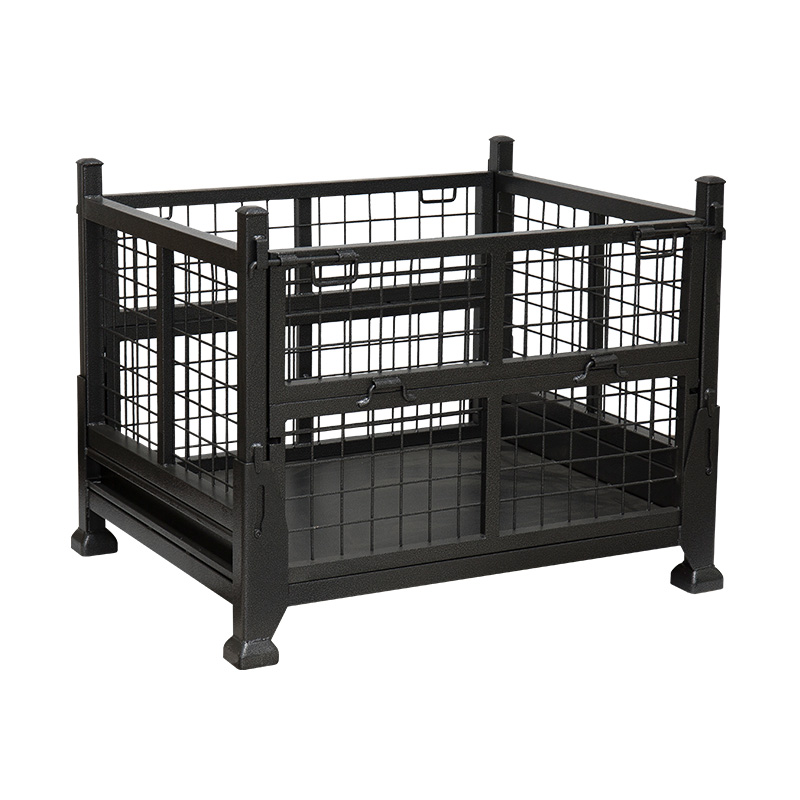
Foldable pallet cages are an important tool in factory logistics. They play an important role in transportation, distrib...
See Details -
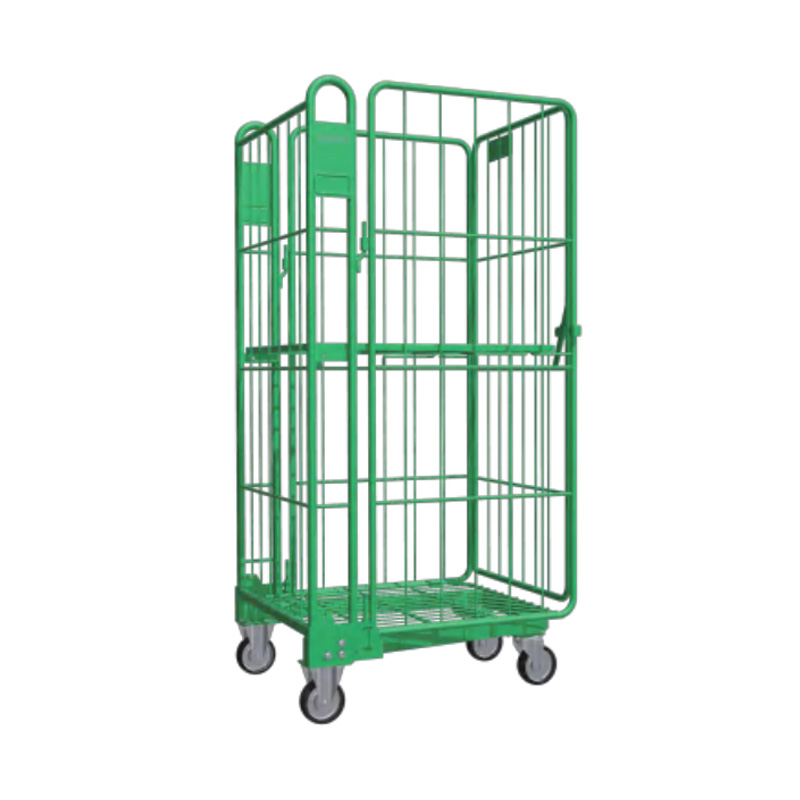
Product specification:The chassis is made of a square tube frame, with a bottom metal sheet tray that can be folded up a...
See Details -
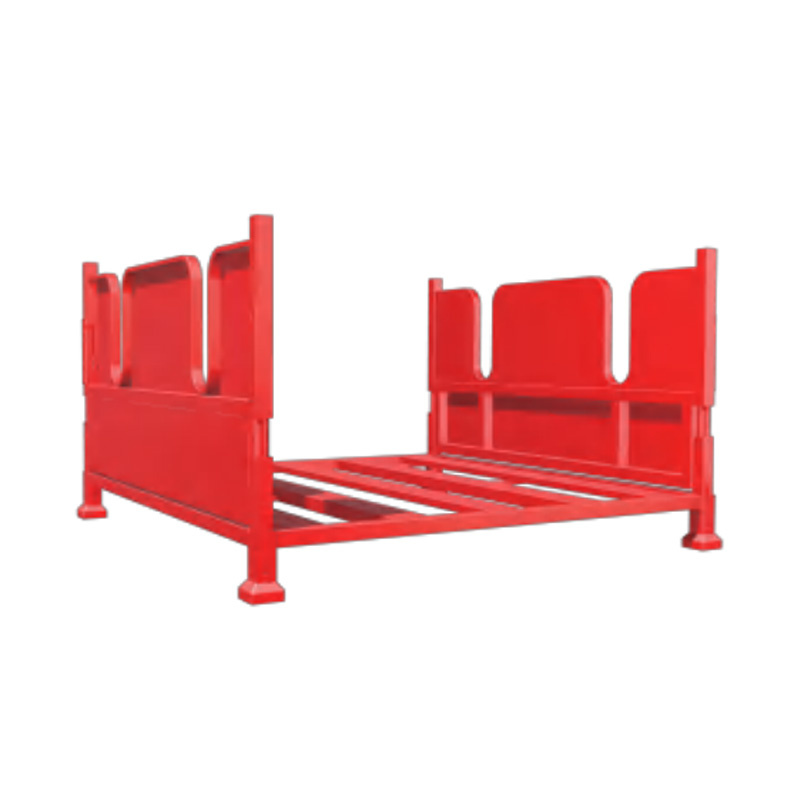
Stacking rack, also known as Qiaogu rack or stacking rackIt is a transportation and storage device derived from pallets ...
See Details -
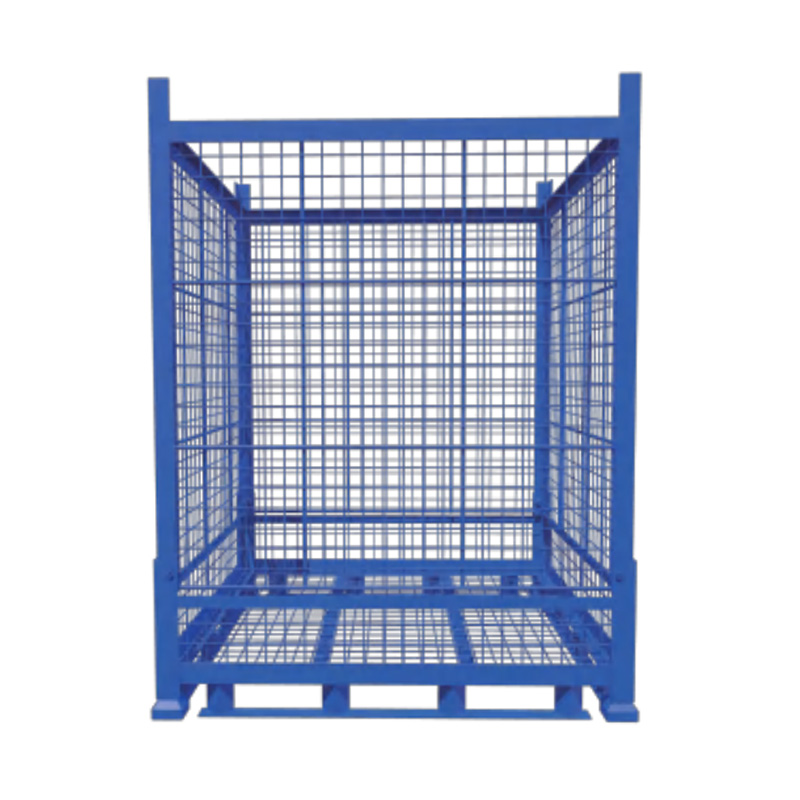
Product specification:Container structure made of L-Type plate frame with 50×50 wire mesh, with base support.Surface tre...
See Details

Information
-
Building B5, No. 138, Weixi Road, Weixi Village, Weitang Town, Xiangcheng District, Suzhou City, China.
-
Tel:
+86-13862140414
+86-13951110334 -
Phone: +86-512-65905480
