


 Español
 русский
 عربى
عربى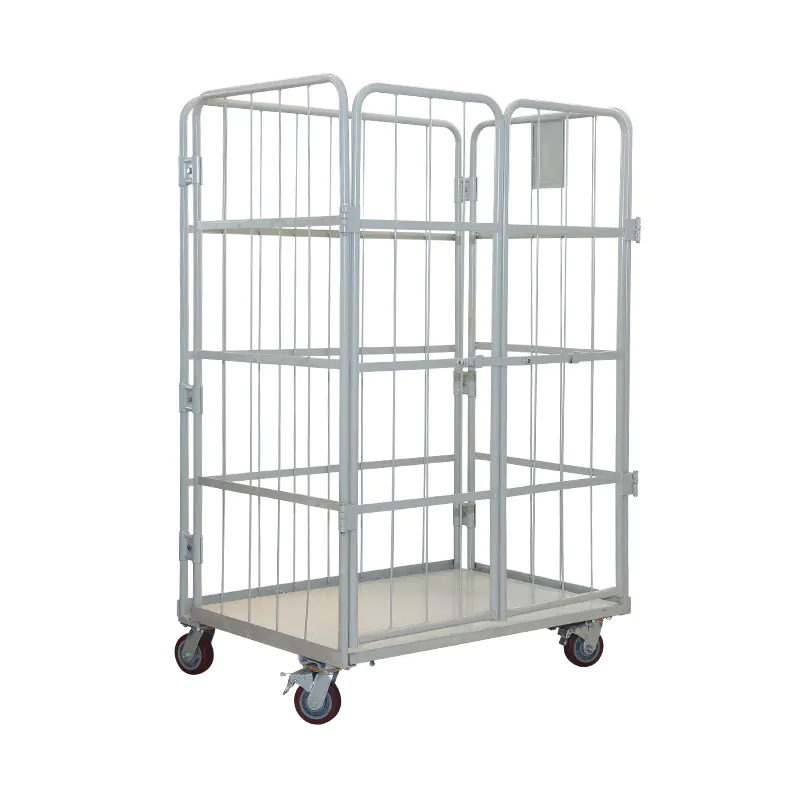
Don't hesitate to send a message
Search
Recent Post
Newsletter
How Roll Container Cage Design Shapes Warehouse Logistics Efficiency
Why Roll Container Cage Structure Is a Logistics Decision, Not Just an Equipment Choice
Every warehouse manager eventually faces the same practical question: which handling equipment moves goods fastest between receiving, storage, and dispatch while protecting product integrity along the way. A roll cage trolley looks like a simple mesh box on wheels, but its side configuration, base shape, and shelf arrangement directly determine how many items reach the loading dock per labor hour. Facilities that mismatch cage geometry to their picking pattern often discover the cost only after months of slower cycle times, higher product damage rates, and awkward stacking in transport trailers.
This article breaks down the structural logic behind four widely used roll container configurations, explains how each geometry changes handling behavior on the floor, and gives a practical framework for matching cage type to operational need. The goal is not to promote one design over another, but to help operations teams reason through the tradeoffs the way a materials handling engineer would.
Consider a mid-size distribution center processing several hundred outbound orders per shift. If the picking team spends an extra three seconds per cart lifting cartons over a solid side wall, that delay multiplies across every cart moved that day, adding up to a measurable loss in throughput by the end of the week. Multiply that same inefficiency across a network of distribution hubs and the cumulative labor cost becomes significant enough to justify a closer look at cage geometry before the next equipment purchase order goes out. The inverse is also true: choosing an open-front frame for an environment that actually needs full containment can lead to product shifting during transit, increased damage claims, and rework at the receiving end.
Because roll container cages sit at the intersection of storage, transport, and order fulfillment, the selection decision touches several departments at once. Warehouse operations care about pick speed. Quality control cares about product protection. Fleet and facilities teams care about how many empty units can be returned per trailer trip. A structured comparison of base geometry, side coverage, and finish helps align these competing priorities before equipment is committed to the floor.
A cage trolley is only as efficient as the workflow it was designed to support. The wrong base shape can add seconds to every single pick, and seconds compound into hours across a full shift.
Understanding the Core Design Variations
Roll container cages are generally classified by base geometry and the number of enclosed sides, since these two variables determine load access, stacking behavior, and stability during transit. The table below summarizes the four configurations most commonly deployed in warehouse and distribution environments.
| Configuration | Base Shape | Enclosed Sides | Primary Use Case | Load Access |
|---|---|---|---|---|
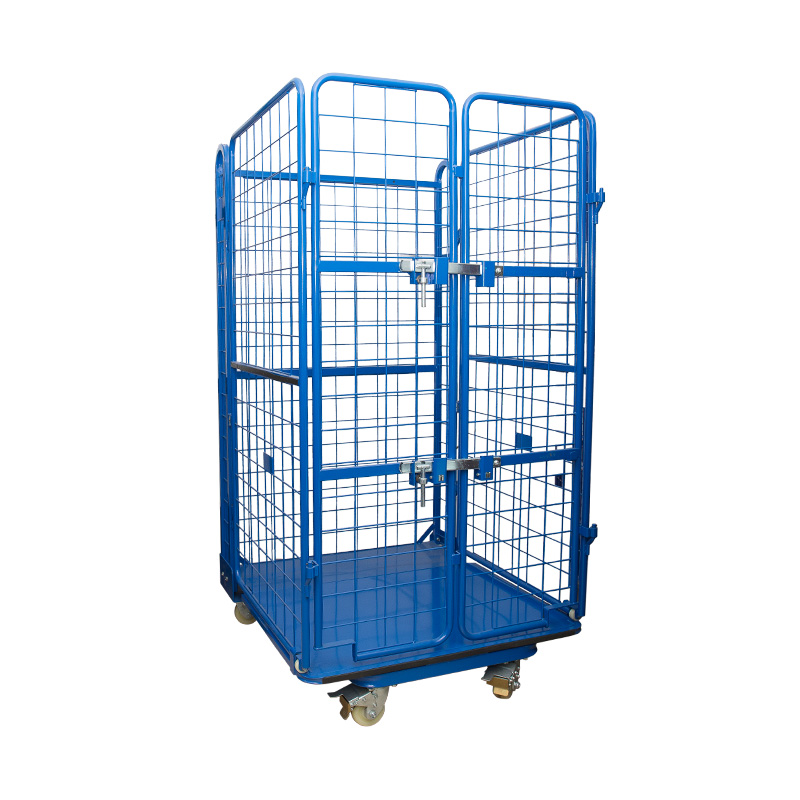
| u-shaped warehouse storage rolling container cage trolley | U-frame base | 3 mesh sides | Retail restocking, mixed-item transport | Open front for direct loading |
| z shaped zinc mobile roll container cage trolley | Z-frame base | 2 to 3 mesh sides | Corrosion-sensitive environments, food and beverage handling | Side and front access depending on build |
| heavy duty 4 side logistic trolley roll container with top shelf | Rectangular closed base | 4 mesh sides plus shelf | Fragile goods, tiered SKU separation | Top loading and shelf-level access |
| demountable steel 3 sided roll cage trolley for transportation | Rectangular open base | 3 folding sides | Long-haul transport, nested return logistics | Fully open one side, foldable panels |
Each configuration answers a different operational question. A three-sided frame favors speed of loading because workers do not need to lift items over a wall on one side. A four-sided frame with a shelf favors protection and stacking discipline, since goods are contained on every plane and separated by tier. Zinc-treated Z-base units answer a durability question rather than a workflow question, since the finish is what allows the trolley to survive repeated washdown cycles common in food and beverage distribution centers.
Base shape also affects how a fleet of cages behaves in storage between shifts. A U-frame base is generally shaped to nest with its own type when empty, reducing the footprint required for idle storage in a staging yard. A Z-frame base often trades some nesting efficiency for a lower center of gravity, which improves stability when the cage is loaded with dense, heavy items such as canned goods or packaged liquids. Rectangular closed bases, common on four-side shelf units, tend to prioritize consistent floor contact across all four casters, which matters when the load is uneven across the width of the cart.
It is worth noting that side coverage is not always fixed once a unit is purchased. Some demountable and three-sided frames allow panels to be added, removed, or folded depending on the route or the season, giving a single piece of equipment more than one operational role over its service life. This flexibility is one reason demountable steel three-sided frames have become common in networks that shift between retail restocking in peak season and general transport duty during slower months.
Visual Reference: Four Structural Approaches Side by Side
Below is a visual reference showing how these four structural approaches differ in practice. Note the difference in side coverage, base profile, and shelf integration.
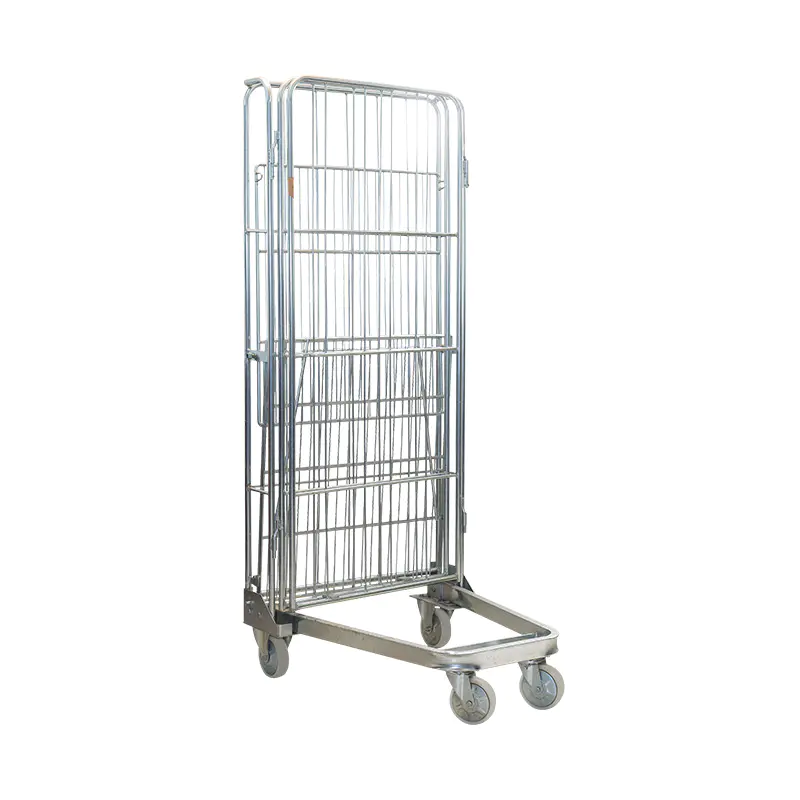
U-frame base with open front access
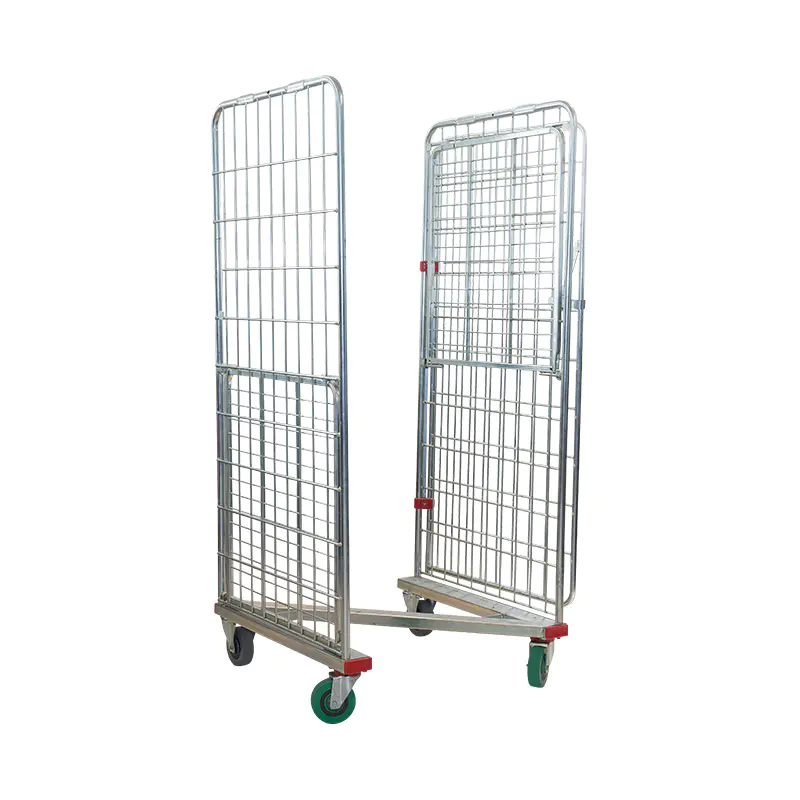
Z-frame base with zinc-treated finish
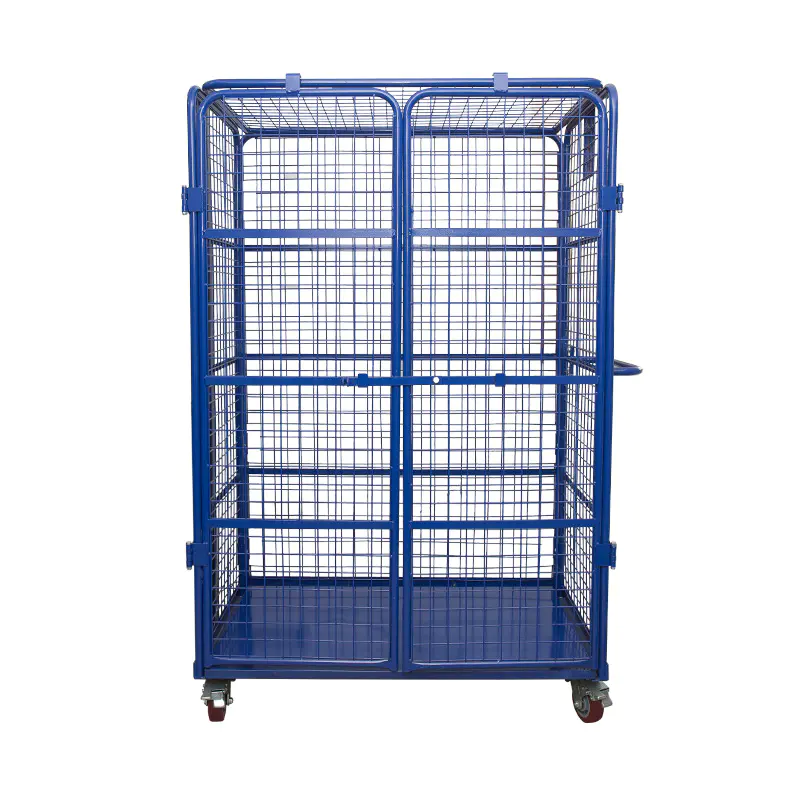
Four-side enclosure with top shelf tier
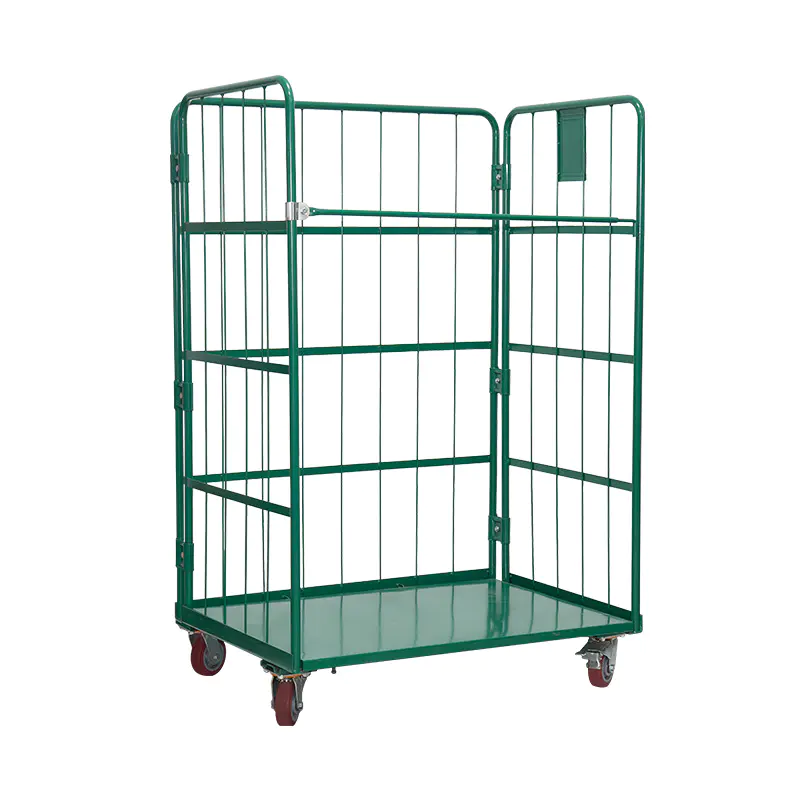
Demountable three-sided frame for nested transport
How Base Geometry Changes Handling Behavior on the Floor
The base shape of a roll container is not a cosmetic detail. It determines how the unit distributes weight across its casters, how it tracks when pushed through narrow aisles, and how it nests with other units during storage. The diagram below traces a typical goods movement sequence and highlights where base geometry has the greatest influence on cycle time.
At the loading stage, an open-front three-sided cage lets an operator slide cartons straight in without lifting over a rail, which is the reason three-sided and U-base designs remain common on retail restocking routes where speed matters more than full containment. At the transit stage, a stable rectangular base with a wider wheel track resists tipping when a loaded cage turns a corner at pace, which favors four-sided enclosed frames on longer indoor routes. At dispatch, a demountable or foldable frame collapses flat for the return trip, reducing the number of trailers needed to bring empty cages back to origin.
The receiving stage deserves separate attention because it is where mismatched equipment first becomes visible. If incoming pallets are broken down into mixed cartons and immediately redistributed into roll containers, the base geometry that loads fastest at this stage sets the pace for everything downstream. A facility running a high-velocity receiving dock, where trucks are unloaded and redistributed within a tight window, generally benefits more from an open-access frame than from a fully enclosed one, even if the enclosed frame offers better protection later in the cycle. This is a common tradeoff discussion between receiving supervisors, who prioritize speed, and quality teams, who prioritize containment.
Aisle transit is also where caster quality becomes as important as frame geometry. A cage with a well-matched base shape but poor-quality casters will still slow down in transit, since wheel drag and poor swivel response add resistance regardless of how well the frame itself is designed. Facilities auditing transit-stage delays often find that upgrading caster quality, not the frame shape, delivers the faster near-term improvement, with frame geometry changes reserved for the next equipment refresh cycle.
Material and Finish Considerations for Long-Term Durability
Roll container durability is driven by three overlapping factors: the gauge of steel used in the frame, the finish applied to resist corrosion, and the weld quality at load-bearing joints. Facilities that operate in humid, washdown-heavy, or coastal environments see finish failure long before structural failure, which is why zinc plating is specified so often for food, beverage, and pharmaceutical distribution.
- Zinc-plated steel resists surface corrosion in washdown and refrigerated environments, extending service life in facilities that clean equipment daily.
- Powder-coated finishes offer color-coding options for zone identification but generally chip faster than zinc plating under repeated caster impact.
- Welded mesh panels distribute load across more contact points than bolted panels, reducing localized stress at corners.
- Reinforced base rails extend the working life of casters by keeping the frame from flexing under uneven floor transitions.
Independent handling equipment studies commonly cite caster failure and corner-weld fatigue as the two leading causes of roll container downtime, well ahead of mesh panel damage. This is a useful reminder that the base and the wheel assembly deserve as much attention during procurement as the visible cage walls.
Wire gauge and mesh spacing also influence how a cage performs with specific product categories. Tighter mesh spacing prevents small items from slipping through gaps but can trap debris and moisture during washdown, requiring more frequent cleaning cycles. Wider mesh spacing sheds debris more easily and is common in produce or bulk textile handling, where airflow around the load matters as much as containment. Choosing mesh spacing based on the smallest item regularly transported, rather than the average item size, avoids a common procurement mistake where a cage performs well for most loads but fails intermittently on a subset of smaller products.
Frame gauge thickness is typically specified in relation to expected load weight rather than a single universal standard, since a cage built for palletized dry goods carries a very different stress profile than one built for dense metal components or liquid-filled containers. Procurement teams that specify frame gauge based on their heaviest expected load, rather than an average load, tend to see fewer warranty claims related to frame deformation over the equipment lifecycle.
Matching Cage Configuration to Operational Need
Selecting the right warehouse cage trolley configuration comes down to answering four questions about the operation it will serve. The cards below summarize a practical decision path.
Question 1: How fast must loading happen
If pick-and-place speed is the priority, an open-front or three-sided frame reduces lifting motion and shortens loading time per cart.
Question 2: What is the wash or corrosion exposure
Facilities with frequent washdown or high humidity benefit from a zinc-treated frame over a standard painted finish.
Question 3: Does the product need tier separation
Mixed SKU orders with fragile or small items often require a shelf-equipped four-side frame to prevent crushing at the base.
Question 4: How will empty units be returned
Networks that move large volumes of empty cages benefit from a demountable or folding frame that nests flat for return transport.
Warehouse Order Picking Optimization with Roll Containers
Order picking accuracy and speed are closely tied to how a cage is loaded and viewed during the picking process. A high-capacity roll container with a top shelf allows pickers to separate items by order or by fragility tier, which reduces the sorting work needed once the cart reaches the dispatch area. Facilities that switched from flat pallet picking to tiered cage picking commonly report fewer mis-sorts, since each tier acts as a visual boundary between orders.
| Picking Method | Typical Error Source | How Tiered Cage Design Helps |
|---|---|---|
| Flat pallet picking | Item mixing across orders | No natural separation between orders on a single flat surface |
| Single-level cage picking | Crushing of fragile items under heavier stock | Limited without a shelf divider |
| Tiered cage picking with top shelf | Reduced significantly | Each tier separates order groups and protects fragile goods |
Beyond error reduction, tiered picking also changes how supervisors audit completed orders before dispatch. A single flat load requires an auditor to sift through mixed items to verify an order is complete, while a tiered cage lets the same auditor scan each shelf level independently, cutting audit time considerably in high-volume operations. This becomes especially valuable during peak shipping periods, when audit speed at the dispatch bay is often the actual bottleneck rather than picking speed itself.
Cart labeling also interacts with cage design in ways that are easy to overlook. A four-side frame with a top shelf provides more flat surface area for order tags or route labels than an open three-sided frame, which can reduce mis-routing errors at busy dispatch bays where dozens of carts queue for outbound trailers at the same time.
Safety and Stability Standards Worth Reviewing Before Purchase
Load stability is the most common safety consideration tied to roll container cage design, and it is closely linked to base shape, wheel spacing, and maximum stack height. A cart with a narrow wheel base and a tall load profile is inherently more prone to tipping on uneven flooring or during quick directional changes, regardless of how strong the mesh panels themselves are.
| Safety Factor | Design Element Involved | Practical Consideration |
|---|---|---|
| Tipping resistance | Wheel base width, center of gravity | Wider bases and lower load centers reduce tipping risk on ramps and uneven flooring |
| Panel integrity under load | Mesh gauge, weld quality | Heavier gauge mesh resists bowing when loaded near maximum capacity |
| Caster lock reliability | Brake mechanism design | Lockable casters prevent unintended movement during static loading or on inclines |
| Stacking or nesting stability | Base interlock features | Interlocking bases prevent shifting when multiple empty units are nested together |
Facilities operating on sloped loading dock ramps should give particular attention to caster lock reliability, since a cage left unlocked on even a slight incline can drift unexpectedly. This is a frequently overlooked detail during procurement, where buyers focus heavily on frame strength and finish while giving less scrutiny to the braking mechanism, even though caster-related incidents are among the more common safety issues reported in warehouse handling equipment reviews.
Maintenance Practices That Extend Service Life
A well-specified mesh cage trolley can remain in service for many years if a facility follows a basic maintenance routine. Neglected caster bearings and unaddressed frame flex are the most common reasons a fleet of caged carts ages faster than expected.
- Inspect caster wheels monthly for flat spots or debris buildup that increases rolling resistance.
- Check corner welds during quarterly audits, since these joints bear the most repeated stress from loading impacts.
- Clean mesh panels after washdown cycles to prevent residue buildup that can accelerate corrosion at panel intersections.
- Verify folding or demountable joints remain free of debris so panels continue to lock securely during transport.
Facilities that build these checks into a standard preventive maintenance schedule typically extend average cage service life well beyond fleets that only respond to visible damage.
Frequently Asked Questions
Q1: What is the difference between a three-sided and a four-sided roll container cage
A three-sided cage leaves one face open for direct loading and unloading, which speeds up handling in fast-turnover environments. A four-sided cage encloses the load on every plane, offering better containment for fragile or loosely packed goods but requiring items to be loaded from the top or through a gated panel.
Q2: Why is zinc plating specified for some roll container cage trolleys and not others
Zinc plating is specified when a facility expects frequent washdown, refrigeration cycling, or high ambient humidity, since it resists the surface corrosion that painted or untreated steel develops under those conditions. Standard dry warehouse environments often use painted or bare steel finishes without a meaningful loss of service life.
Q3: Can a demountable roll cage handle the same load capacity as a fixed-frame unit
A properly engineered demountable frame can match the load rating of a fixed-frame unit of similar gauge steel, since the load-bearing structure is unchanged when assembled. The tradeoff is added assembly time versus the space and freight savings gained when units are folded flat for return transport.
Q4: How does a top shelf affect the usable capacity of a roll container
A top shelf divides the internal volume into two usable tiers rather than one open volume, which slightly reduces maximum single-item height but improves protection for smaller or fragile goods stacked below heavier items.
Q5: What is the typical caster configuration used on heavy duty roll container cages
Heavy duty units typically use four swivel casters, often with two lockable for stability during loading, sized to the expected floor load and the type of flooring the cage will travel across, including transitions between warehouse concrete and trailer decking.
Q6: Does mesh spacing affect how a roll container cage is cleaned
Yes, tighter mesh spacing tends to trap more debris and requires more frequent cleaning, while wider mesh spacing sheds debris faster but is less suitable for very small items that could slip through the gaps.
Q7: How often should roll container cages be inspected for structural wear
A monthly caster and wheel inspection paired with a quarterly review of corner welds and frame joints is a common baseline, with more frequent checks recommended for fleets operating in washdown-heavy or high-throughput environments.
Related products
-
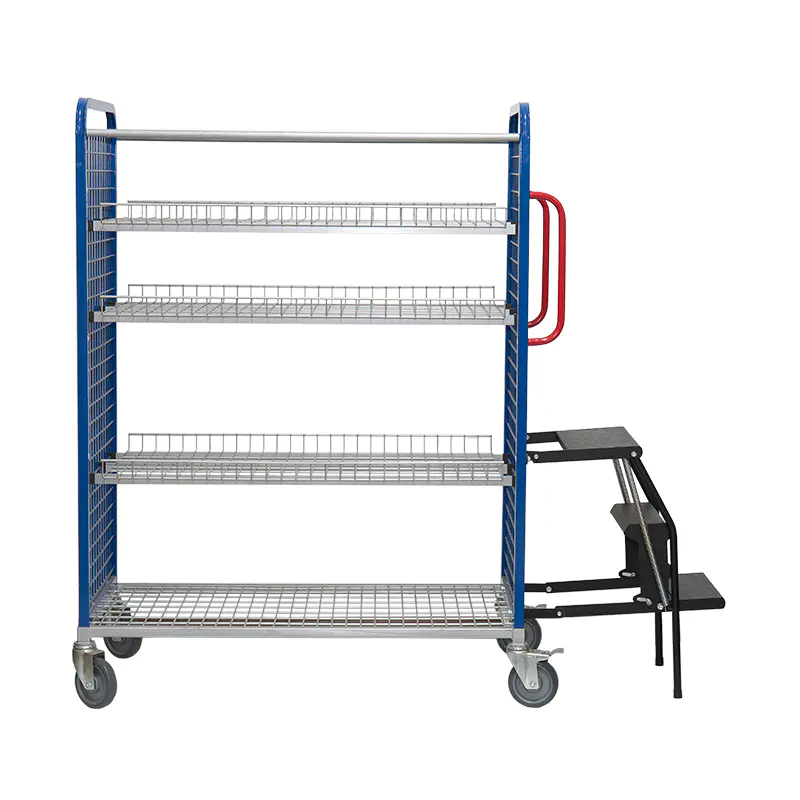
Product specification:This Warehouse wire mesh Multi-Tier Order Picking Trolley adopts a chassis and side panel structur...
See Details -
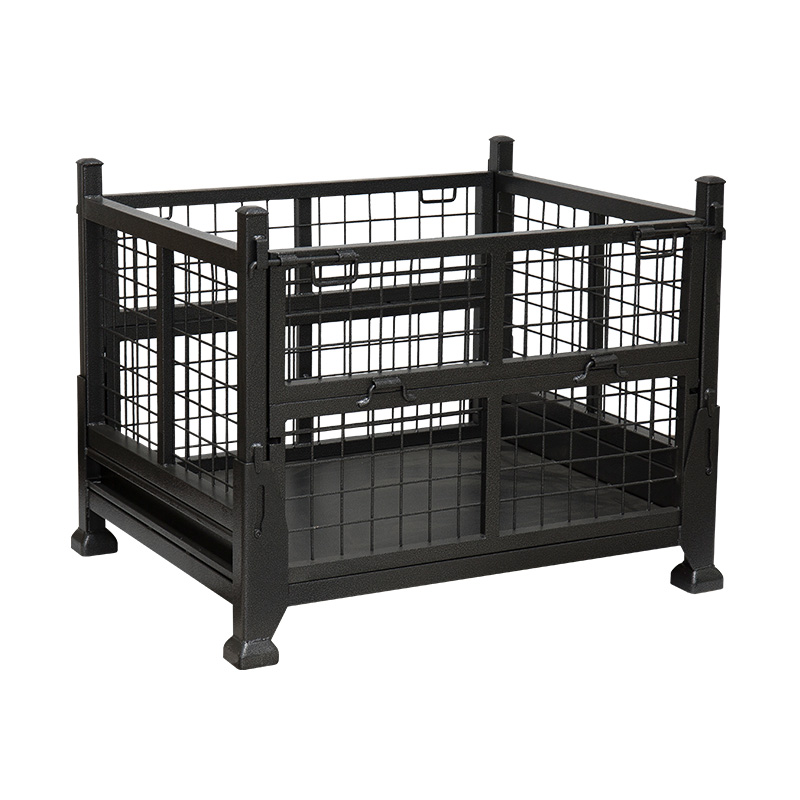
Foldable pallet cages are an important tool in factory logistics. They play an important role in transportation, distrib...
See Details -
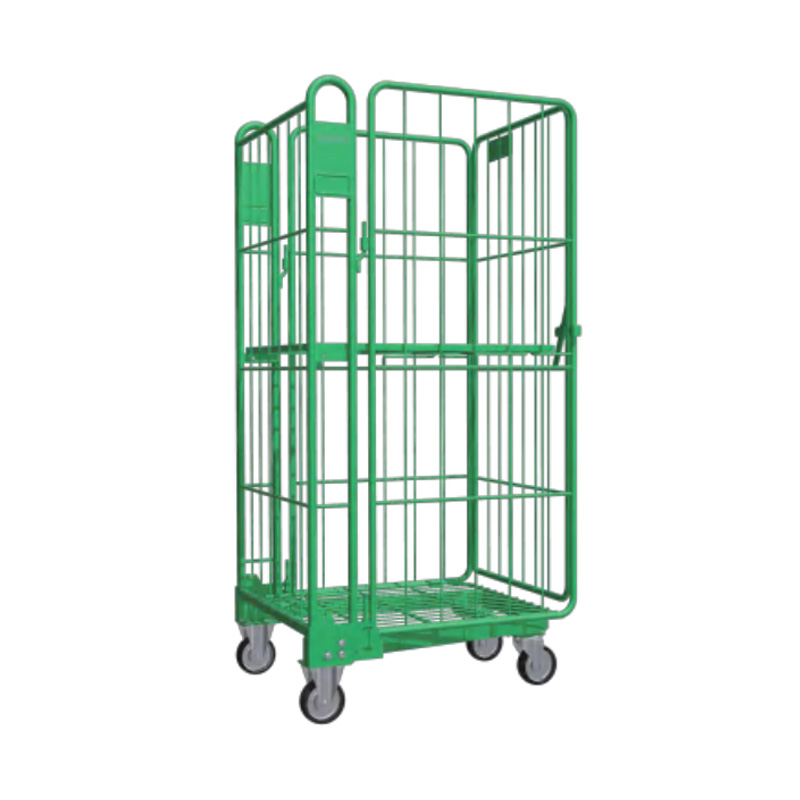
Product specification:The chassis is made of a square tube frame, with a bottom metal sheet tray that can be folded up a...
See Details -
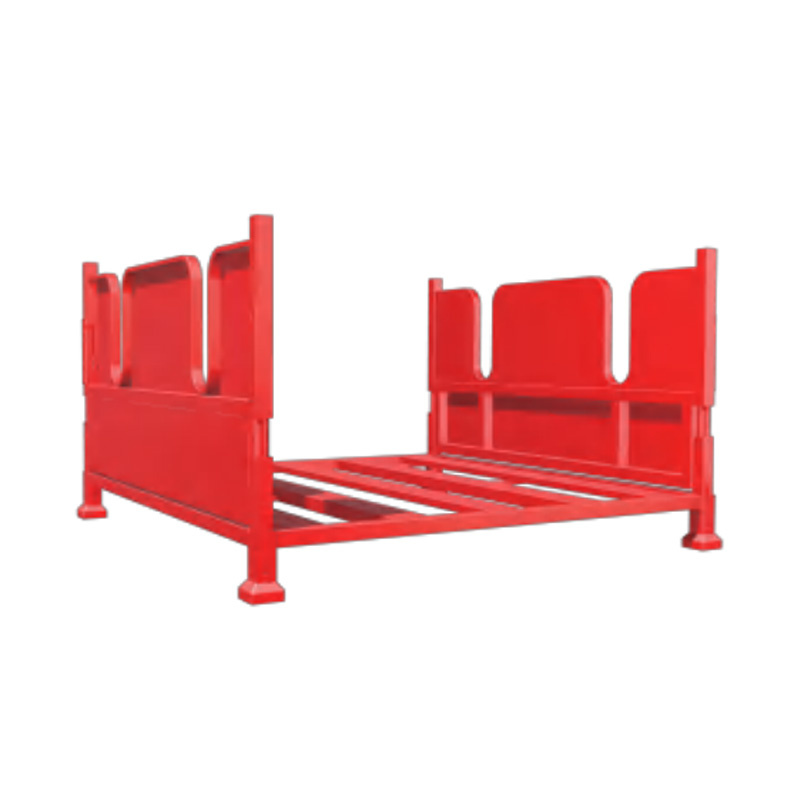
Stacking rack, also known as Qiaogu rack or stacking rackIt is a transportation and storage device derived from pallets ...
See Details -
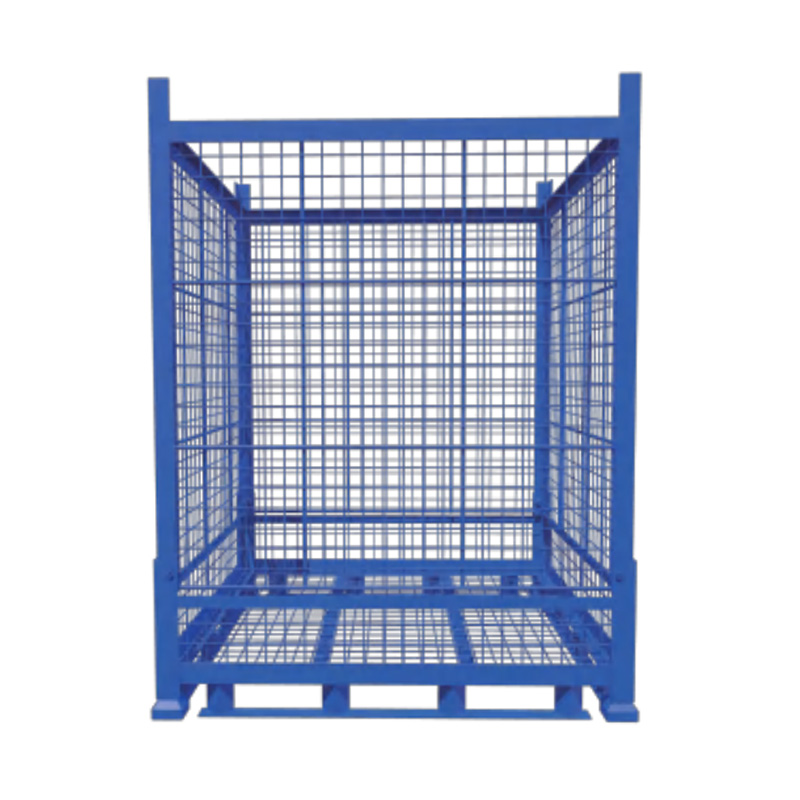
Product specification:Container structure made of L-Type plate frame with 50×50 wire mesh, with base support.Surface tre...
See Details

Information
-
Building B5, No. 138, Weixi Road, Weixi Village, Weitang Town, Xiangcheng District, Suzhou City, China.
-
Tel:
+86-13862140414
+86-13951110334 -
Phone: +86-512-65905480
