


 Español
 русский
 عربى
عربى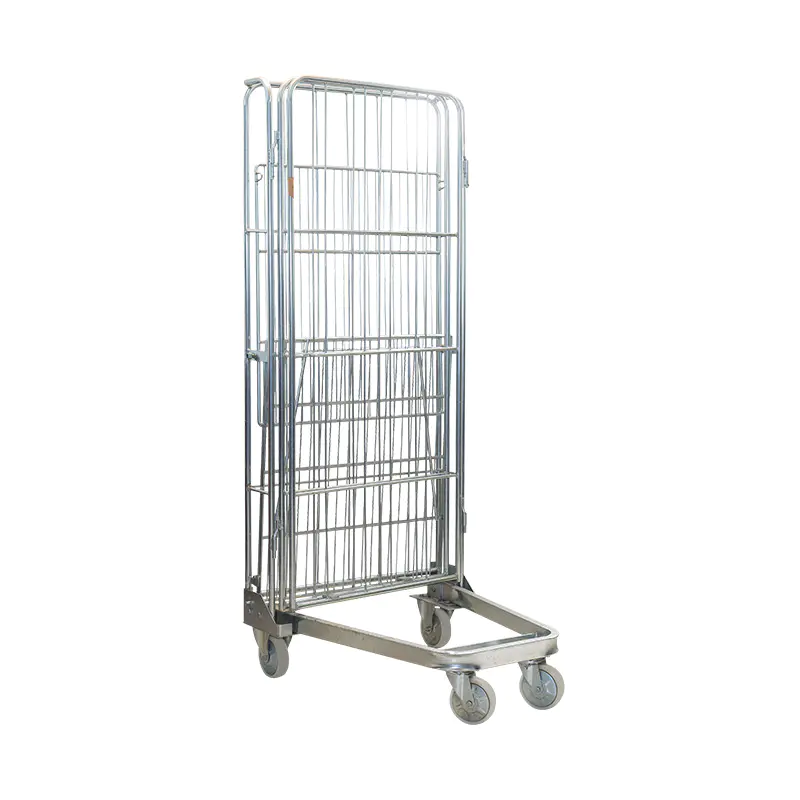
Don't hesitate to send a message
Search
Recent Post
Newsletter
What Is a Racking System? A Practical Guide to Types, Benefits, and Selection
Walk into any busy distribution center and the pattern is easy to spot: pallets double-stacked in aisles, boxes on the floor, and pickers circling for space. The solution is usually a racking system, but the term covers a wide spectrum of configurations. In simple terms, a racking system is a modular steel structure that turns unused vertical space into efficient, organized storage. It is the backbone of most modern warehouses, and choosing the right one starts with understanding how goods move, not with flipping through a catalog.
What Is a Racking System?
A racking system is a steel framework made of upright frames, horizontal beams, and load-bearing surfaces. It stores products in rows so that every pallet has a defined position and can be accessed by a lift truck, pallet jack, or operator. Unlike ordinary shelving, which relies on manual access and lighter loads, racking systems are engineered for heavy point loads, high bay depths, and long service life.
The best racking system does two jobs at once: it maximizes storage capacity and it shortens the path from picking to shipping.
The core components include upright columns, footplates, beams, decking options, and column protectors. Together they create stable bays that can be tailored to specific pallet sizes and load weights.
- Upright frames: vertical supports that carry the load.
- Beams: horizontal members that establish shelf levels.
- Decking: steel panels or wire mesh that support boxes or loose items.
- Protectors: guards on critical areas to resist forklift impacts.
Modern systems also allow reconfiguration, so a rack can adapt when SKU mix or storage strategy changes.
Why Racking Systems Make a Difference
Racking systems create value in measurable ways. They help warehouses increase density, reduce picking errors, and keep safety standards high.
- Utilizes vertical space instead of expanding floor area.
- Organizes inventory by SKU, batch, or velocity.
- Provides clear lanes for reach trucks and order pickers.
- Protects goods from crushing and contamination.
- Creates a predictable path for cycle counting.
- Enables modular expansion as volume grows.
Experienced operators often compare storage efficiency before and after racking. Tasks that used to take two trips can often be completed in one when pick faces are aligned with demand.
For a broader look at how floor layout interacts with storage, see how to optimize warehouse layout. For loose components or non-palletized items, a foldable storage cage can group those goods safely and collapse when empty, which keeps floor space available for racking and traffic.
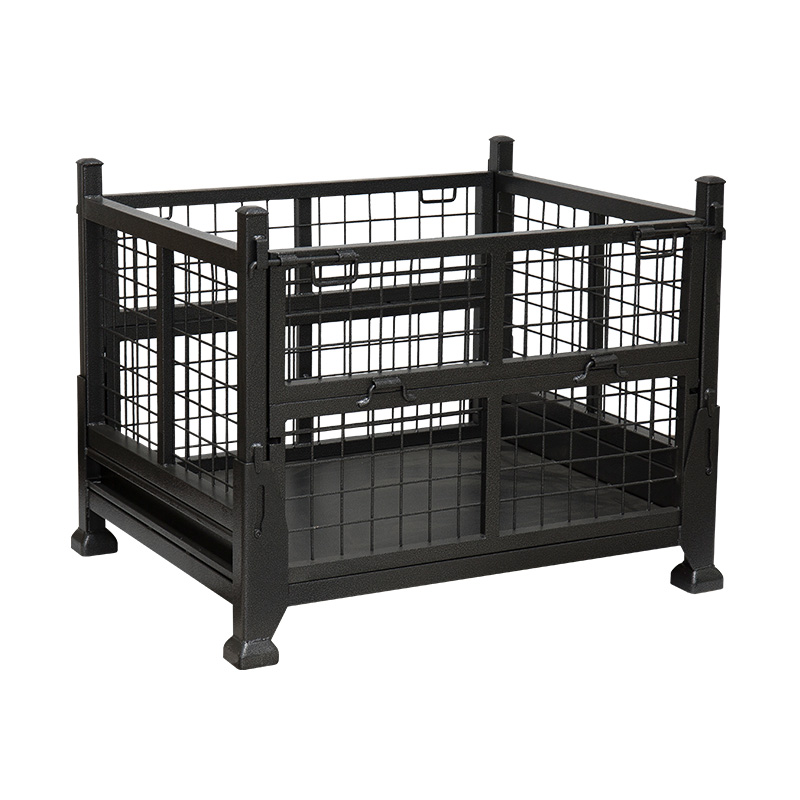 Foldable Pallet Cage for Secure Storage and TransportThis collapsible wire mesh cage offers a space-saving way to group loose components and non-palletized goods, while its foldable design frees up floor space when not in use, supporting efficient warehouse layout.View Product →
Main Types of Racking Systems
The choice of racking type depends on what you store, how often you retrieve it, and how much floor area you are willing to dedicate to aisles.
| System Type | Best For | Density | Access |
|---|---|---|---|
| Selective racking | Fast-moving pallets, full case picking | Medium | 100% pallet access |
| Drive-in racking | Bulk storage, low SKU count | High | LIFO, limited access |
| Push-back racking | Multiple pallets per lane, medium turnover | High | LIFO, easy access from front |
| Pallet flow racking | High-volume FIFO items | High | FIFO, separate loading and unloading |
| Cantilever racking | Long, irregular loads such as tubes and lumber | Medium | Front access to each item |
| Mobile racking | Cold storage, limited floor area | Very high | Aisle opens on demand |
Selective racking is the default choice for warehouses that need total pallet access. Drive-in systems use a single aisle, sacrificing some selectivity for high density. Push-back racking stores several pallets deep and uses gravity to move them forward. Pallet flow systems separate loading from unloading, which makes them useful for FIFO inventory. Cantilever racks store long or bulky loads like lumber, pipes, and metal frames. Mobile racking is less common but creates high density by eliminating permanent aisles.
When high-throughput picking is the core task, a racking system often shares space with smaller mobile equipment. A wire mesh order picking trolley helps operators collect SKUs from different rack bays and move them to packing stations without repeated trips.
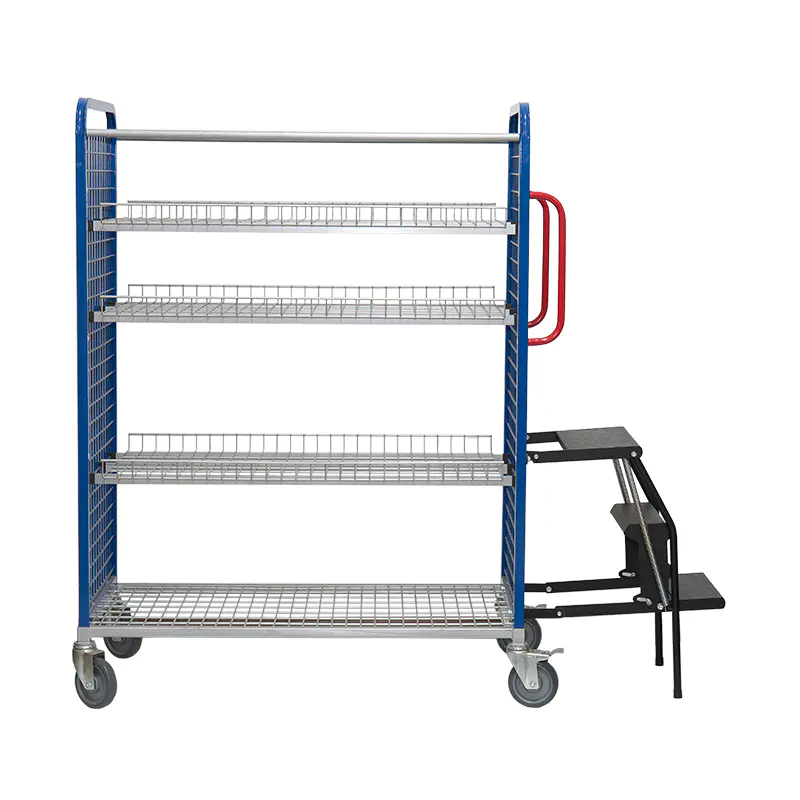 Multi-Tier Wire Mesh Order Picking Trolley for Efficient PickingDesigned with adjustable shelves and sturdy casters, this picking trolley helps operators transport multiple SKUs from rack bays to packing stations, reducing trips and improving order picking speed.View Product →
How to Choose the Right Racking System
Start with data, not dogma. The selection process should include load weight, pallet dimensions, lifting equipment, ceiling height, turnover velocity, and future growth.
- Determine pallet size and weight, including maximum stack height.
- Measure useable floor space and roof clearance.
- Count active SKUs and the split between full pallets and split cases.
- Define desired access frequency. High-frequency items should be at the pick face.
- Check lift truck turning radius and mast height.
- Review floor condition and seismic requirements.
- Consider whether products are fragile, damp, or long.
Another key factor is the relationship between storage and movement. Rack bays hold inventory, but the last step to the dock door still needs efficient handling. For moving completed or replenished stock, a U-base roll cage lets warehouse staff transfer goods from storage to shipping without excessive manual lifting.
 U-Base Roll Container for Streamlined Goods TransferWith a stable square tube chassis and foldable shelves, this rolling container enables safe movement of stock from storage to shipping areas, minimizing manual lifting and enhancing workflow efficiency.View Product →
Safety and efficiency are not separate goals. For a practical view of how roll containers affect operations, read how roll cages improve warehouse supply chains and safety.
Safety, Inspection, and Maintenance
Racking is a structural asset. It needs the same attention as a lift truck or conveyer belt. The largest risks are overloading, damaged uprights, and loose anchors.
- Post load ratings at each aisle.
- Wash out damaged beams and uprights immediately.
- Use column protectors near traffic lanes.
- Train forklift operators and pickers to report impacts.
- Keep aisles, emergency exits, and fire extinguishers clear.
- Schedule periodic audits, after every impact or at least annually.
A reliable racking system is not a one-time purchase. It is a partnership between the structure, the handling equipment, and people on the floor.
Frequently Asked Questions
Q1: Is a racking system the same as shelving?
No. Racking systems are designed for palletized or heavily loaded units and are usually accessed with lift equipment. Shelving holds smaller items and is more about manual picking.
Q2: How long does a racking system last?
The structure itself can last more than 20 years when installed correctly and maintained. Steel does not wear out quickly; the usual reasons for replacement are obsolete bay sizes, damage from impacts, or changes in storage strategy.
Q3: Can I use a racking system without a forklift?
In many cases, low-profile racking can be used with pallet jacks or trolleys. However, high-level systems need reach trucks or narrow-aisle equipment. Before choosing a rack, match the rack level to the reach of the lift equipment.
Q4: Are roll containers part of a racking system?
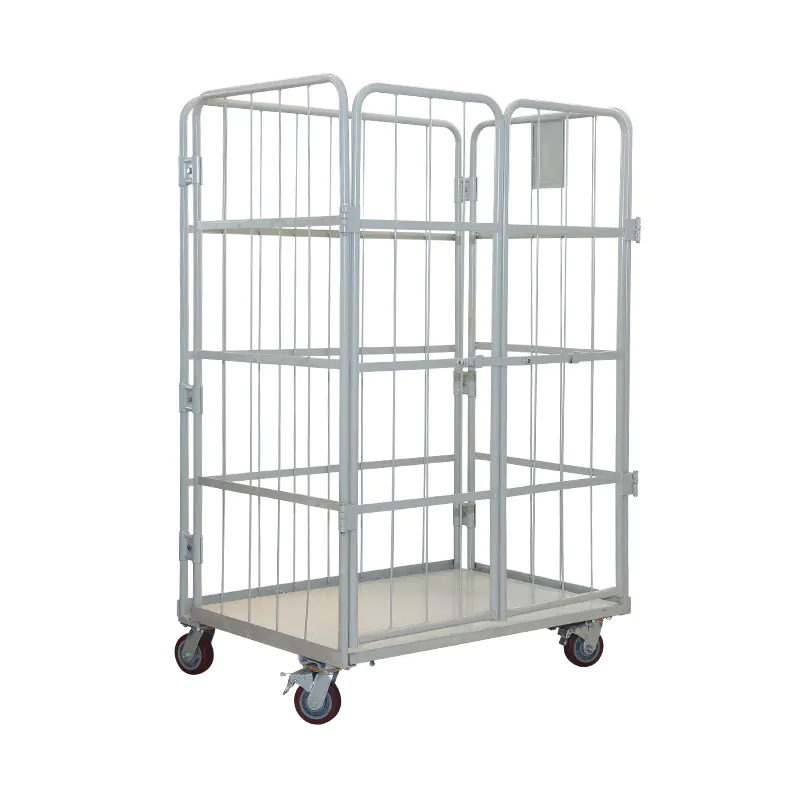
Roll containers and order-picking trolleys are complementary equipment. They connect racking to the front of the warehouse, supporting picking, staging, and transport.
At its core, a racking system is a bridge between storage space and daily operations. The right type in the right layout reduces travel time, preserves inventory, and builds a safer workplace. Start with your product and your process, then choose a structure that grows with them. When the system matches the flow, the warehouse performs better and the cost of storage drops.
Related products
-

Product specification:This Warehouse wire mesh Multi-Tier Order Picking Trolley adopts a chassis and side panel structur...
See Details -

Foldable pallet cages are an important tool in factory logistics. They play an important role in transportation, distrib...
See Details -
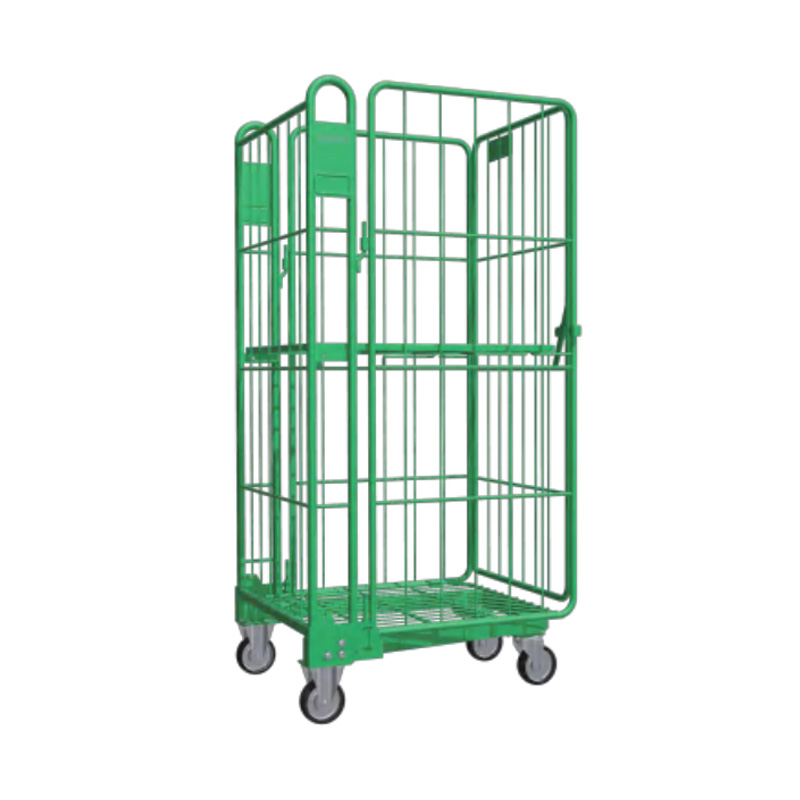
Product specification:The chassis is made of a square tube frame, with a bottom metal sheet tray that can be folded up a...
See Details -
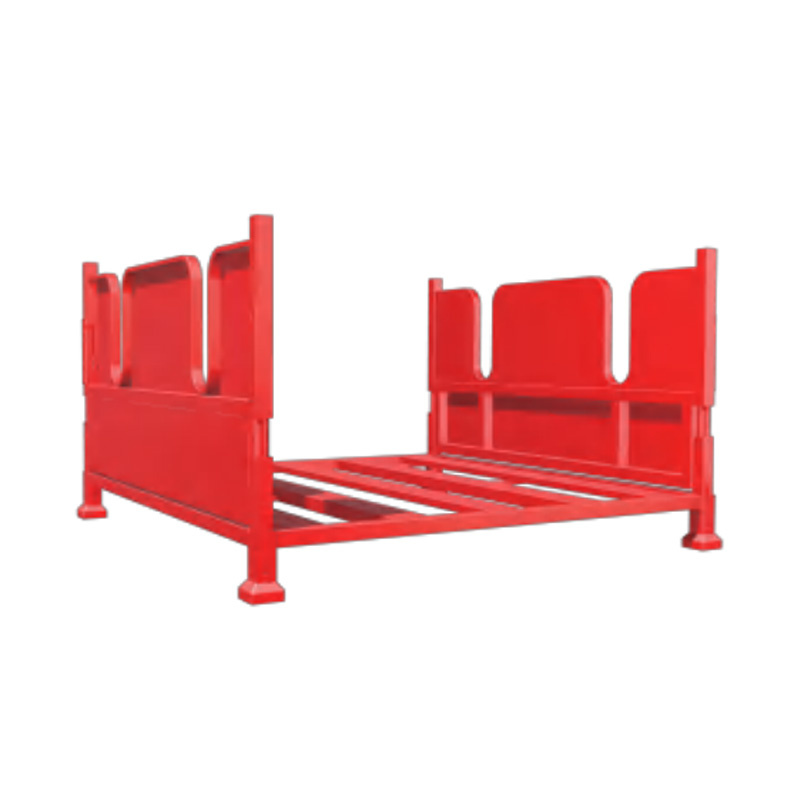
Stacking rack, also known as Qiaogu rack or stacking rackIt is a transportation and storage device derived from pallets ...
See Details -
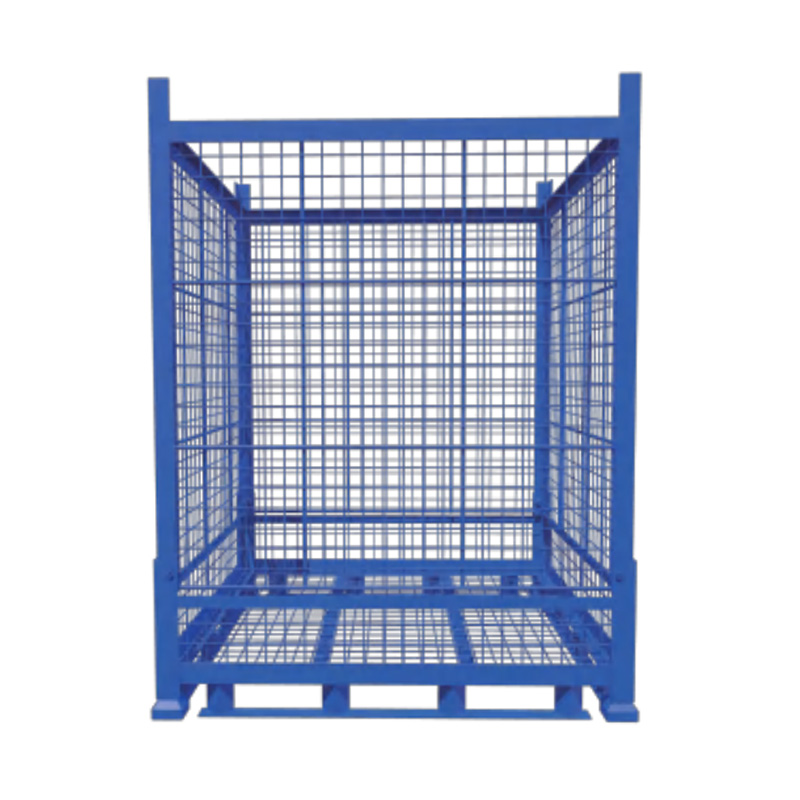
Product specification:Container structure made of L-Type plate frame with 50×50 wire mesh, with base support.Surface tre...
See Details

Information
-
Building B5, No. 138, Weixi Road, Weixi Village, Weitang Town, Xiangcheng District, Suzhou City, China.
-
Tel:
+86-13862140414
+86-13951110334 -
Phone: +86-512-65905480
