


 Español
 русский
 عربى
عربى
Don't hesitate to send a message
Search
Recent Post
Newsletter
Conventional Racking System: Key Components, Selection, and Safety Tips
Every warehouse manager has stood in an aisle, checked a load, and realised the racking system was not working the way it should. The uprights may be straight, the beams level, but the storage flow still stalls. Before you pay for a single conventional racking system, make sure your pallet sizes, load weights, and existing handling equipment are clearly documented. That one decision will affect every component you order afterwards.
The most efficient conventional racking system is designed around the load and the handling equipment, not the other way round.
What Is a Conventional Racking System?
A conventional racking system, also called selective pallet racking, is a steel structure made of upright frames and horizontal beams. It stores palletised goods in rows, allowing fork trucks direct access to every pallet position.
This is not a dense storage solution. It is the most common type of racking because it balances cost, accessibility, and simplicity. Compared with drive-in or push-back systems, a conventional racking system gives you 100 percent selectivity. You can retrieve any pallet immediately, without moving others. For warehouses with a wide SKU range and moderate inventory turnover, this is usually the right starting point.
Crucially, a conventional racking system is not a single product. It is a collection of components that must match your load. Selecting a beam without checking the pallet weight or a frame without checking the aisle width leads to wasted money or unsafe conditions.
Key Components That Determine Performance
Every conventional racking system depends on a few critical parts. Understanding their function helps you avoid the common mistakes buyers make when they focus only on price or beam length.
| Component | Function | What to Check |
|---|---|---|
| Upright frame | Supports the vertical load | Column profile, thickness, height |
| Beam | Holds the pallet | Beam length and load capacity |
| Safety locking mechanism | Prevents beam dislodgement | Compatible hooks for the selected beam |
| Row spacer | Maintains distance between back-to-back racks | Right spacing for the aisle and load |
| Anchor bolts | Fix the rack to the floor | Concrete type and installation depth |
| Upright protector | Absorbs impact from fork trucks | Size and position at floor level |
Each component is standardised, but not all standards fit every warehouse. For example, a high rack with a heavy pallet load needs a stronger upright frame than a low picking rack. If the rack sits next to a busy aisle, upright protectors are not optional.
Common Mistakes When Buying a Conventional Racking System
Many racking projects fail not because the rack is weak, but because the buyer overlooked a simple mismatch. The most frequent problems are easy to prevent:
- Ignoring real pallet dimensions. A pallet that is 100 mm wider than expected may overhang the beam and reduce the safe load.
- Assuming the floor can take the load. If the concrete is too thin or has cracks, the anchor bolts will not hold the required forces.
- Choosing a single beam size for all levels. Heavy goods need a smaller beam spacing or a stronger beam, otherwise the beam will deflect.
- Forgetting the aisle width. A conventional racking system with an aisle that is too narrow limits the fork truck movement and reduces throughput.
- Buying on price alone. Cheaper components often lead to higher replacement costs or safety inspections later.
How to Choose the Right Conventional Racking for Your Warehouse
Start with the load. Measure the pallet length, width, and height, including the pallet itself. Then add the weight. If you use 1200 x 1000 mm pallets, the beam length will differ from a 1200 x 800 mm standard.
- Measure the actual pallet. Do not rely on nominal sizes, because some pallets have overhanging boxes that change the effective width.
- Define the handling equipment. A reach truck needs a wider aisle than a narrow aisle forklift.
- Check the floor condition. The racking system will be anchored to the floor, so levelness and concrete strength matter.
- Plan for future SKU growth. A slightly wider beam spacing can be adjusted later without changing the whole rack.
If the racking system serves a picking area, the last few metres of the process matter as much as the rack itself. A order picking trolley with mesh sides can reduce the time spent walking between locations, especially when order volumes are high. For a European-style warehouse with limited aisle space, warehouse layout optimization is a practical next step.
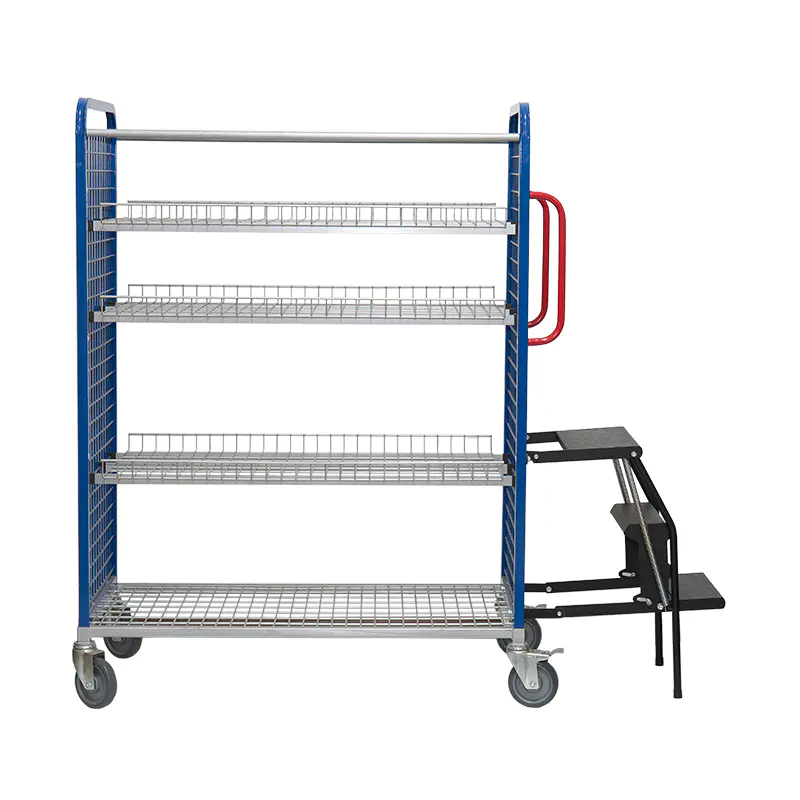 Wire Mesh Multi-Tier Order Picking Trolley with Adjustable ShelvesThis picking trolley features a stable square tube chassis and wire mesh side panels, with adjustable shelves to maximize vertical space. Its casters allow easy maneuvering, making it ideal for efficient order picking in narrow aisles.View Product →
The Role of Accessory Equipment in Conventional Racking Operations
Even the best conventional racking system relies on how goods move from the rack to the despatch area. The racks hold the pallets, but the workers and the trolleys handle the individual loads. A U-base roll cage makes it easier to move picked items without multiple trips, and it protects goods from damage during transport. The U-shaped base allows the cage to be pushed through narrow aisle spaces at the picking face.
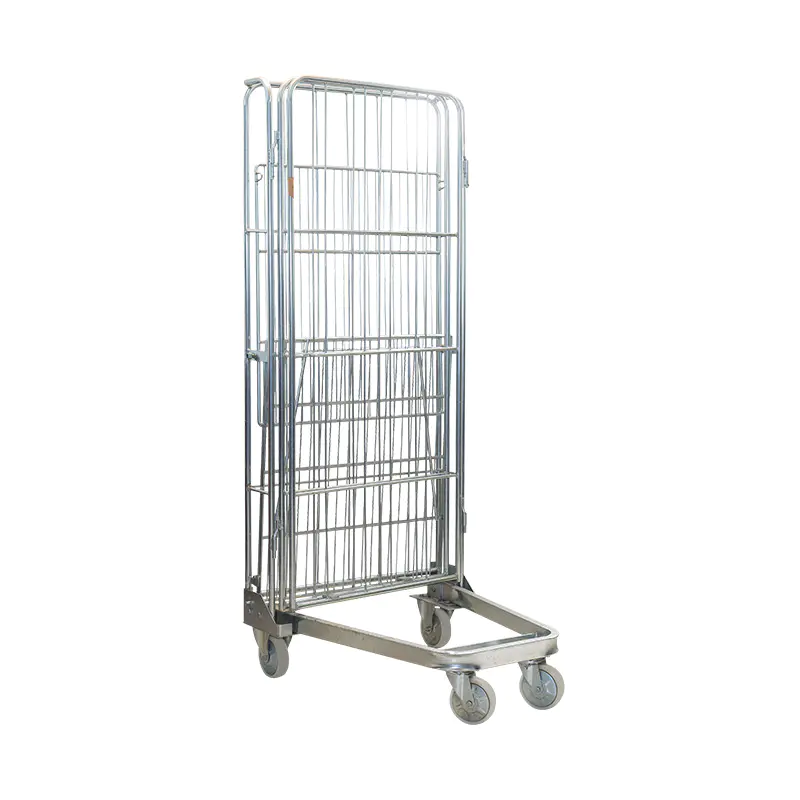 U-Base Roll Container for Narrow Aisle PickingDesigned with a U-shaped base and foldable shelves, this roll container facilitates moving picked items through tight spaces. Its reinforced frame and polyamide casters ensure stable transport and protect goods from damage.View Product →
A foldable storage cage adds a different advantage. When storage volume is uneven, you can collapse the cage to free up floor space. If a manual picking operation uses racks at the lower level and cage storage above, the combination increases density while keeping accessibility. For a conventional racking system that handles mixed loads, the right accessory equipment can improve throughput without adding expensive automation.
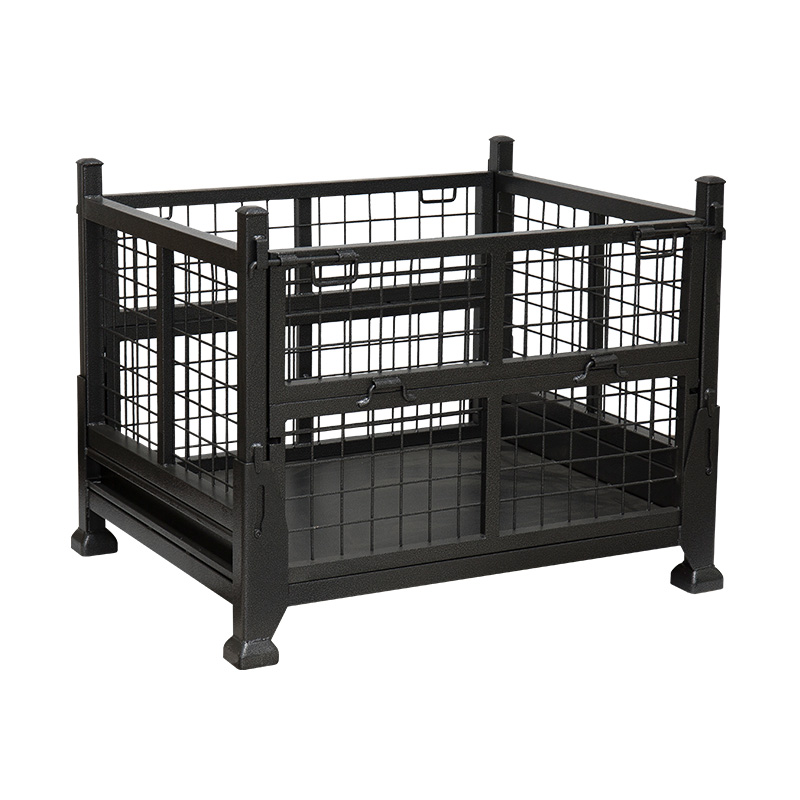 Foldable Stackable Pallet Cage for Efficient StorageThis foldable pallet cage simplifies logistics with quick cleaning and neat stacking. Its robust square tube and wire mesh structure supports heavy loads, while its collapsible design saves space when not in use, improving management efficiency.View Product →
Safety Considerations for Conventional Racking Systems
Safety is not an afterthought in a conventional racking system. It must be part of the initial design. Inspect floors for levelness and check the concrete before drilling anchor bolts. Add upright protectors near aisles, and mark the maximum load on every beam. Training operators to understand rack damage thresholds is just as important.
If you use roll cages or trolleys at the picking face, the same safety rules apply. Regular checks on components such as safety locks and beam clips are essential. See how roll cages contribute to safer warehouse workflows for a practical overview of common hazards and prevention steps.
Conclusion: Building an Efficient Conventional Racking System
A conventional racking system is a long-term investment. If you take the time to define your pallet dimensions, load capacity, and handling equipment before ordering, you will avoid many expensive mistakes. Match every component to the actual load, add the right protective accessories, and use the correct handling aids.
In the end, a conventional racking system is only as efficient as the process around it. A good supplier will help you connect the racks to the flow of goods, not just deliver steel frames.
Related products
-

Product specification:This Warehouse wire mesh Multi-Tier Order Picking Trolley adopts a chassis and side panel structur...
See Details -

Foldable pallet cages are an important tool in factory logistics. They play an important role in transportation, distrib...
See Details -
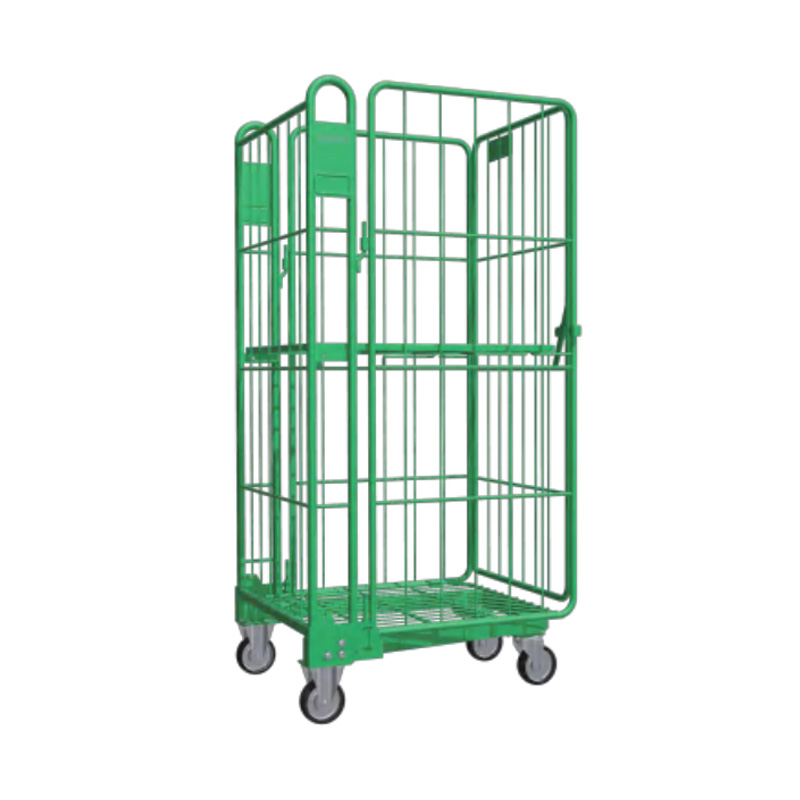
Product specification:The chassis is made of a square tube frame, with a bottom metal sheet tray that can be folded up a...
See Details -
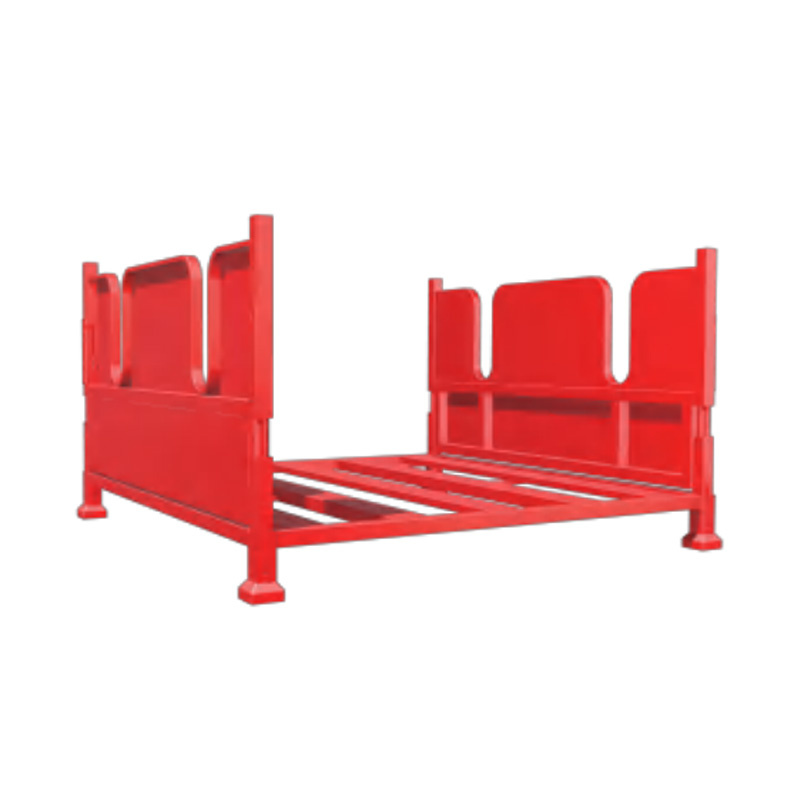
Stacking rack, also known as Qiaogu rack or stacking rackIt is a transportation and storage device derived from pallets ...
See Details -
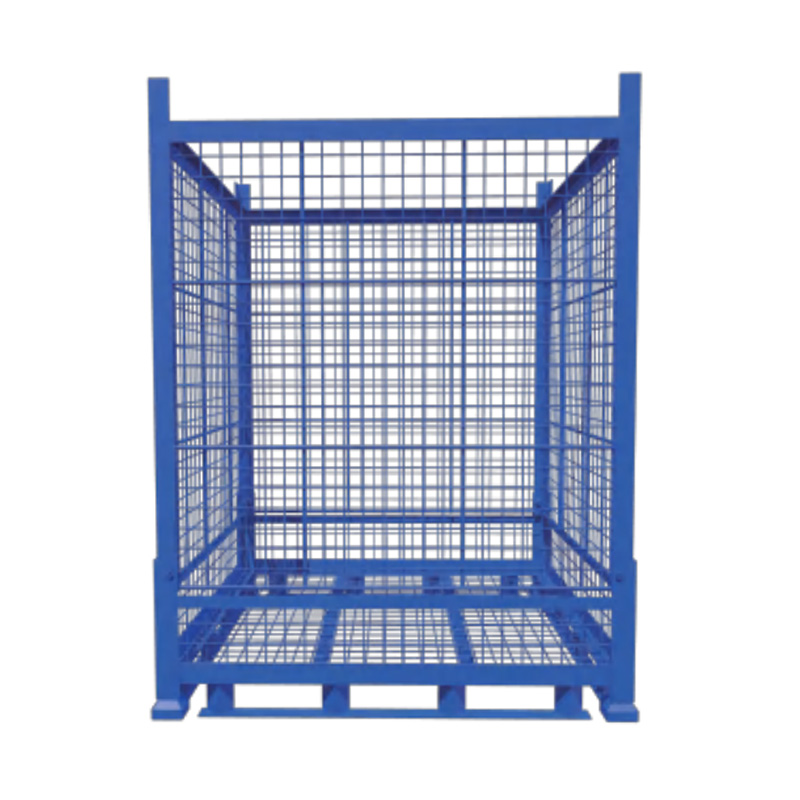
Product specification:Container structure made of L-Type plate frame with 50×50 wire mesh, with base support.Surface tre...
See Details

Information
-
Building B5, No. 138, Weixi Road, Weixi Village, Weitang Town, Xiangcheng District, Suzhou City, China.
-
Tel:
+86-13862140414
+86-13951110334 -
Phone: +86-512-65905480
