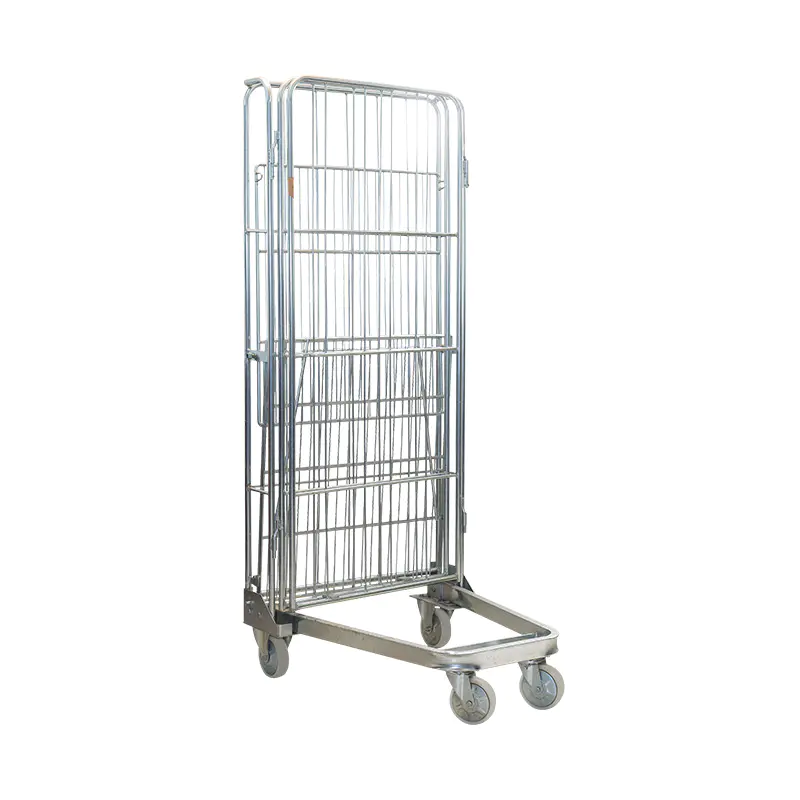
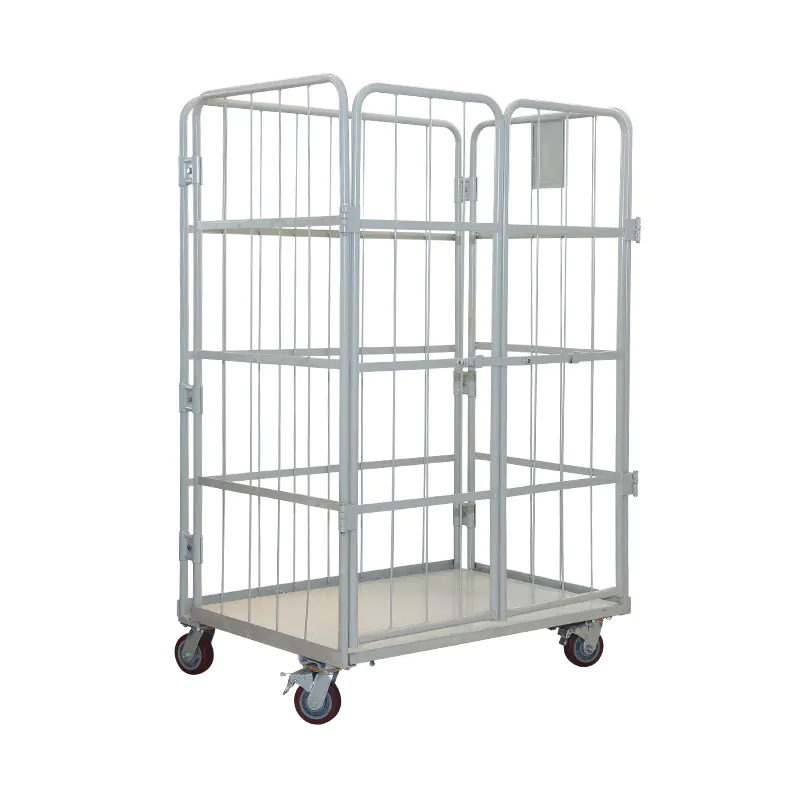
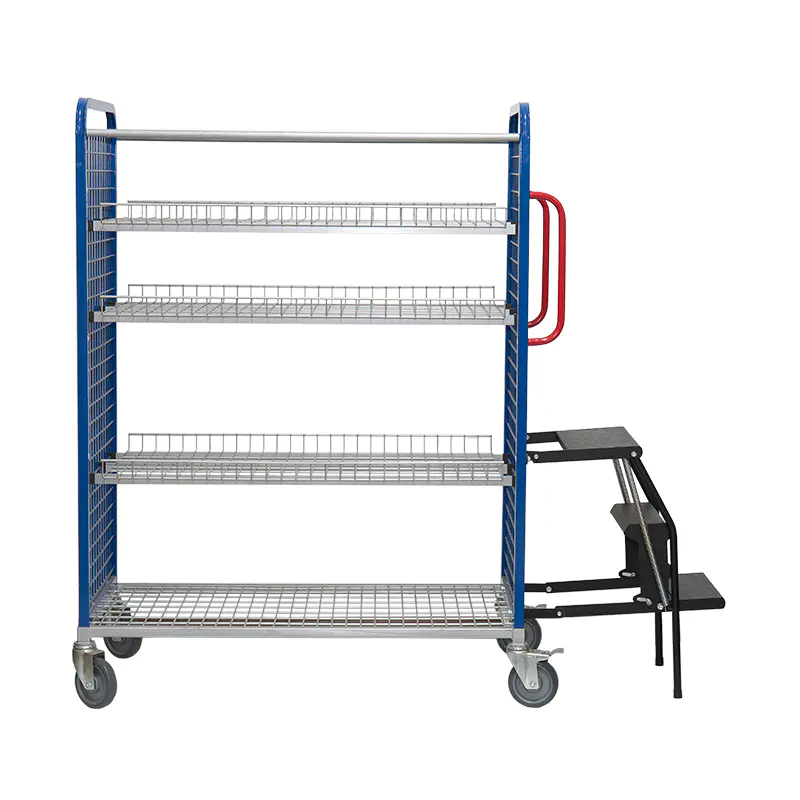
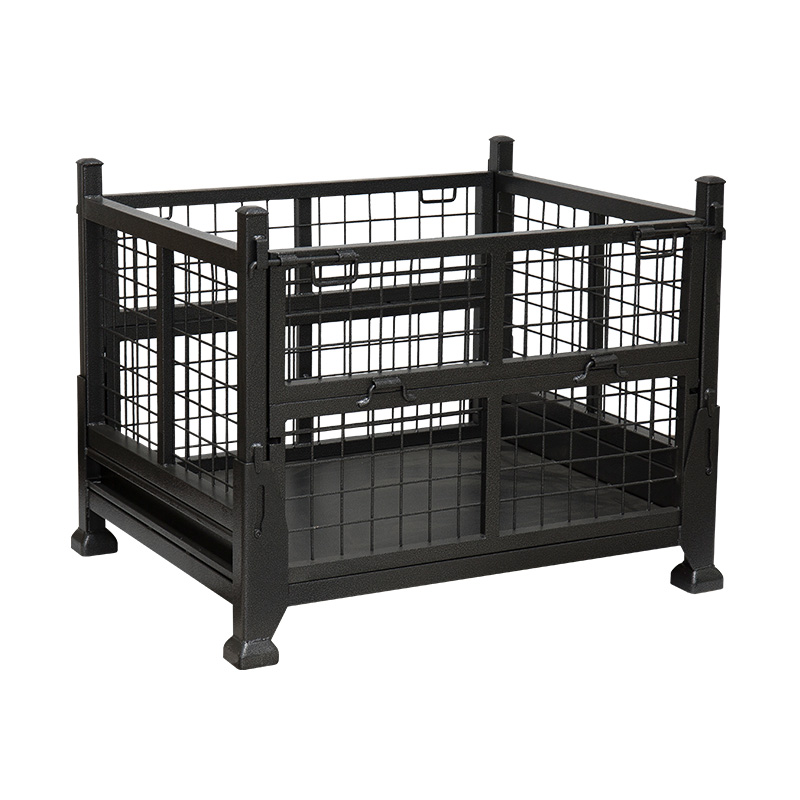
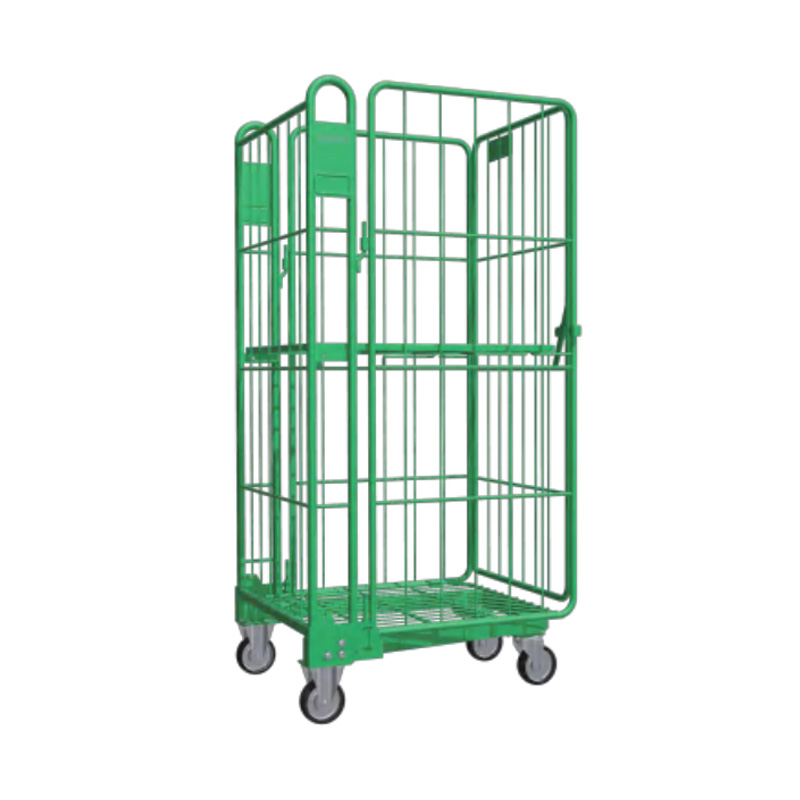
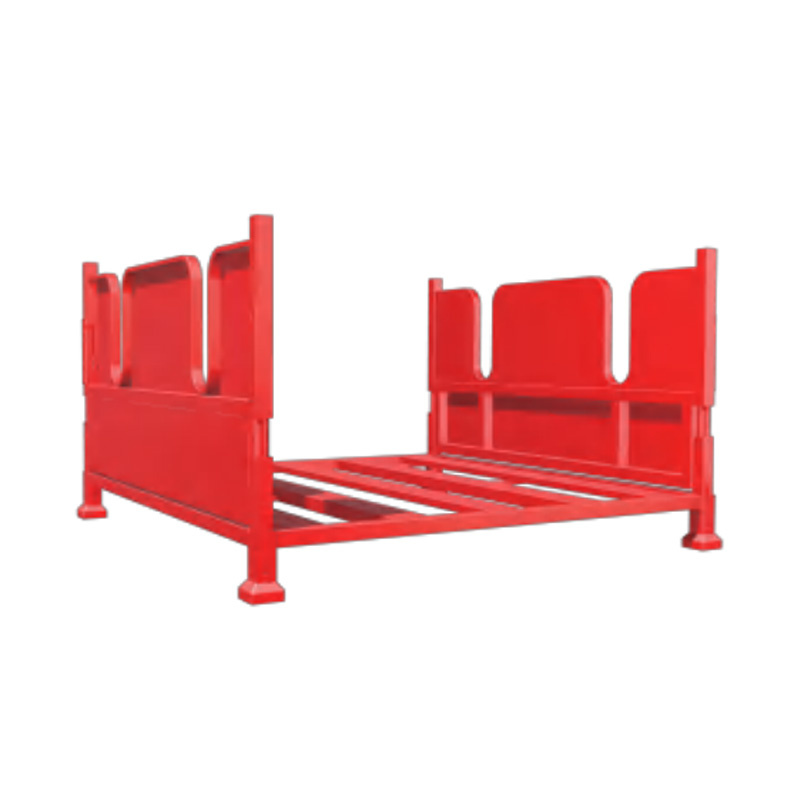
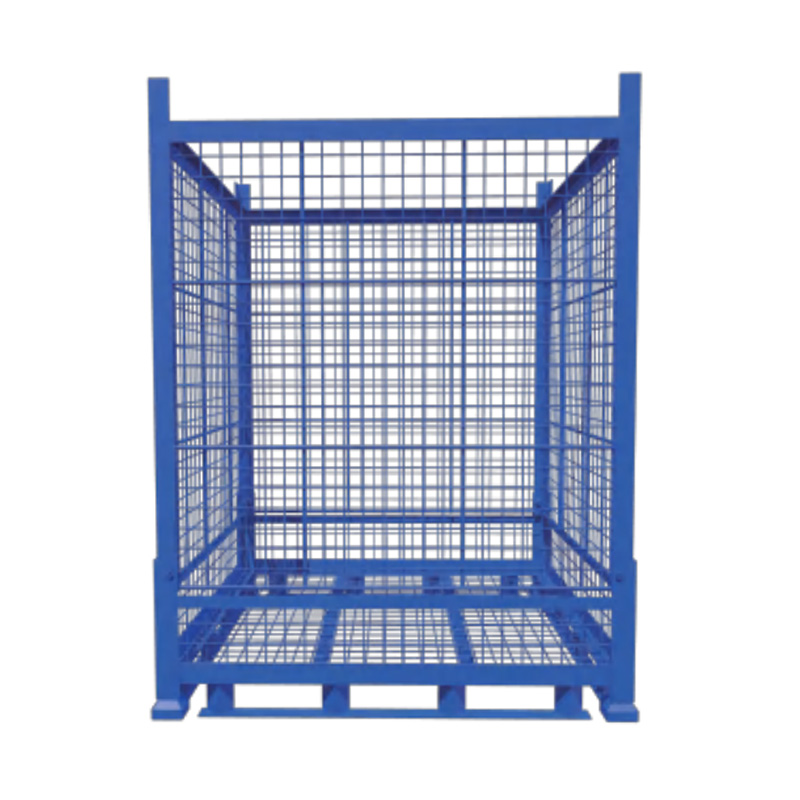
The ggd pallet stacking rack has become an essential solution in modern warehousing and logistics systems due to its flexibility, modularity, and ability to optimize storage space. As warehouse operators increasingly rely on this type of racking system, one of the primary concerns is structural deformation under load. Deformation can compromise safety, reduce load-bearing capacity, and shorten the lifespan of the rack.
Structural design principles
A fundamental aspect of preventing deformation in ggd pallet stacking rack is its structural configuration. The racking system is typically composed of vertical posts, horizontal beams, and cross braces. Each component plays a specific role in maintaining structural integrity:
- Vertical posts: These are the primary load-bearing elements. High-strength steel or reinforced alloy materials are commonly used to reduce bending under vertical load.
- Horizontal beams: They connect vertical posts and support pallets directly. The use of interlocking beam designs and optimized beam profiles reduces deflection under concentrated loads.
- Cross braces: These diagonal supports enhance lateral stability, preventing racking from swaying or twisting. Properly designed braces distribute the stress along the structure, limiting localized deformation.
In addition to component selection, the overall geometric configuration of the rack, such as the spacing between posts and the height-to-width ratio, directly affects the system’s resistance to deformation. Racks with balanced proportions are less likely to experience bending or warping, even under repeated loading cycles.
Material selection and quality
The choice of material is a critical factor in preventing deformation in ggd pallet stacking rack. Materials must provide sufficient strength while maintaining ductility to absorb stresses without permanent deformation. Common considerations include:
- Steel grade: High-strength steel with adequate yield stress ensures the vertical posts and beams maintain shape under load.
- Surface treatment: Powder coating or galvanization not only protects against corrosion but also maintains the mechanical properties of the material over time.
- Thickness and reinforcement: Steel components with optimized thicknesses resist bending while keeping the rack lightweight for easier handling.
Table 1: Material specifications and their impact on rack deformation
| Component |
Common Material |
Critical Property |
Impact on deformation |
| Vertical post |
High-strength steel |
Yield strength |
Resists vertical bending |
| Horizontal beam |
Alloy steel |
Flexural rigidity |
Reduces beam deflection |
| Cross brace |
Reinforced steel |
Tensile strength |
Enhances lateral stability |
| Base plate |
Structural steel |
Hardness & flatness |
Prevents ground-induced sway |
High-quality materials and precise manufacturing standards are essential for preventing permanent deformation, especially in high-density storage environments.
Load distribution design
Deformation often occurs when ggd pallet stacking rack is subjected to uneven or concentrated loads. Proper load distribution is therefore a critical design consideration. Key strategies include:
- Uniform pallet placement: Ensuring that pallets are evenly spaced along beams reduces localized stress.
- Beam profile optimization: Beams with reinforced profiles, such as box or I-beams, distribute weight more evenly.
- Stacking limits: Adhering to recommended stacking height prevents excessive load accumulation on lower levels, reducing compression-related deformation.
Additionally, stacking rack systems may incorporate adjustable beams, which allow users to optimize load placement according to pallet size and weight, further minimizing the risk of deformation.
Reinforcement techniques
Several reinforcement techniques are commonly applied to ggd pallet stacking rack to enhance structural stability:
- Cross bracing: Diagonal braces connecting posts in both the front and rear planes improve resistance to lateral forces.
- Gusset plates: These are triangular metal plates added to the beam-post connection points to prevent twisting.
- Anchor systems: Bolting the base plates to a level floor ensures that vertical posts remain aligned under load, reducing sway.
- Load-spreading plates: Placed under heavy pallets, these plates distribute the load across multiple beams and prevent local bending.
Table 2: Reinforcement techniques and their benefits
| Reinforcement Type |
Location/Use |
Benefit |
| Cross bracing |
Between vertical posts |
Enhances lateral stability |
| Gusset plates |
Beam-post junctions |
Prevents twisting |
| Anchor systems |
Base plate to floor |
Reduces sway |
| Load-spreading plates |
Under heavy pallets |
Minimizes local beam deflection |
Implementing these reinforcements improves the overall structural resilience of ggd pallet stacking rack, making it more suitable for high-density storage and dynamic warehouse operations.
Installation practices
Even the best-designed ggd pallet stacking rack can deform if installation is improper. Key installation practices to prevent deformation include:
- Level flooring: Ensuring the floor is flat and stable prevents uneven loading on vertical posts.
- Precise alignment: Vertical posts must be perfectly perpendicular, and beams must be installed at consistent heights.
- Torque specifications: Bolts and fasteners should be tightened to the manufacturer’s recommended torque values to prevent loosening under load.
- Sequential assembly: Following a systematic assembly process ensures even distribution of stress during construction.
Proper installation complements the design features and material choices, collectively reducing the risk of long-term deformation.
Environmental and operational factors
Deformation can also be influenced by environmental conditions and operational practices. Considerations include:
- Temperature fluctuations: Extreme heat or cold can affect steel elasticity. Coatings and temperature-resistant materials help maintain stability.
- Moisture and corrosion: Humid environments accelerate rust, weakening structural components. Protective coatings and regular inspections mitigate this risk.
- Dynamic loads: Frequent forklift movements or impacts can induce localized bending. Reinforced beams and cross braces reduce susceptibility to such forces.
Monitoring these factors and integrating preventive measures is essential for maintaining the structural integrity of ggd pallet stacking rack.
Maintenance and inspection
Regular maintenance is essential to detect early signs of deformation and prevent further damage. Recommended practices include:
- Visual inspections: Look for bending, twisting, or sagging in beams and posts.
- Connection checks: Ensure bolts, fasteners, and anchors remain secure.
- Load monitoring: Confirm that weight limits are adhered to and pallets are correctly positioned.
- Surface maintenance: Repair scratches, corrosion spots, and coating damage to maintain material strength.
A structured maintenance schedule prolongs the service life of ggd pallet stacking rack and preserves its load-bearing performance.
Advanced design considerations
Recent advances in ggd pallet stacking rack design focus on modular adaptability, lightweight high-strength alloys, and finite element testing during design to predict deformation under varied load scenarios. While these approaches do not rely on explicit formulas in operation, they enable manufacturers and warehouse engineers to ensure reliability under repeated loading. Key features include:
- Modular post-beam connections for easy expansion or reconfiguration.
- Reinforced beam profiles that optimize strength-to-weight ratio.
- Dynamic testing to simulate real-world warehouse conditions and adjust design accordingly.
These innovations ensure that deformation is minimized while maintaining operational efficiency.
Conclusion
Preventing deformation in ggd pallet stacking rack requires a combination of thoughtful design, high-quality materials, proper installation, and regular maintenance. Vertical post strength, horizontal beam rigidity, cross bracing, anchor systems, and load distribution strategies are all critical components in reducing the risk of structural bending or twisting.
By addressing material selection, reinforcement techniques, installation practices, environmental factors, and maintenance schedules, ggd pallet stacking rack can maintain its structural integrity even under demanding warehouse conditions. A careful focus on these design features ultimately enhances safety, storage efficiency, and operational effectiveness.
Frequently Asked Questions (FAQ)
Q1: How can I determine if a ggd pallet stacking rack is prone to deformation?
A1: Conduct a visual inspection for bent beams or twisted posts, check for uneven floor anchoring, and verify that load limits are being followed. Regular inspections and adherence to installation guidelines are key.
Q2: Are reinforced beams essential for all ggd pallet stacking rack installations?
A2: Reinforced beams are highly recommended for high-density storage or heavy-load applications. They help distribute weight evenly and reduce the risk of localized deformation.
Q3: How often should ggd pallet stacking rack be inspected for deformation?
A3: A minimum of once per month is recommended in high-use warehouses. For lighter loads, quarterly inspections may suffice, but visual checks should be performed regularly.
Q4: Can environmental factors accelerate deformation in ggd pallet stacking rack?
A4: Yes. Extreme temperatures, humidity, and moisture can reduce material strength over time. Protective coatings and routine maintenance are crucial to mitigate these effects.
Q5: What installation practices are critical to preventing deformation?
A5: Ensuring level flooring, precise alignment of posts and beams, proper torque on fasteners, and sequential assembly all contribute significantly to structural stability.
References
- Warehouse & Storage Solutions Handbook, 3rd Edition, Industrial Press, 2021.
- Smith, J., & Brown, A. “Design Principles for Pallet Racking Systems.” Journal of Logistics Engineering, 2020.
- Steel Structures in Warehousing: Best Practices and Safety Guidelines, International Warehouse Association, 2019.



 Español
 русский
 عربى
عربى