

 Español
 русский
 عربى
عربى
Don't hesitate to send a message

Web Menu
Product Search
Exit Menu
Search
Recent Post
Newsletter
What are the primary uses of wire mesh pallet cages in industrial warehousing?
Understanding Wire Mesh Pallet Cages in Modern Warehouse Operations
In the rapidly evolving landscape of industrial logistics and warehouse management, the demand for efficient, durable, and versatile storage solutions has never been more critical. Among the various equipment options available to warehouse managers and procurement specialists, warehouse storage wire mesh pallet cage systems have emerged as indispensable tools for optimizing storage density, improving inventory visibility, and enhancing operational efficiency. These robust metal containers combine the structural integrity of steel frameworks with the visibility and ventilation benefits of wire mesh construction, making them ideal for a wide range of industrial applications.
The global market for industrial storage containers, including wire mesh pallet cages, has experienced substantial growth over the past decade. According to industry research, the warehouse storage equipment market is projected to reach significant valuation milestones by 2028, driven by the expansion of e-commerce fulfillment centers, manufacturing facilities, and third-party logistics providers. This growth trajectory underscores the increasing recognition of wire mesh pallet cages as fundamental components of modern supply chain infrastructure.
Wire mesh pallet cages, also referred to as metal pallet cages, wire mesh containers, or collapsible stillages, serve multiple functional purposes within warehouse environments. Unlike traditional solid-walled containers or wooden pallets, these systems offer unique advantages that address specific operational challenges faced by B2B buyers. The open mesh design facilitates air circulation, prevents moisture accumulation, and enables visual inventory checks without requiring physical container opening. These characteristics prove particularly valuable in industries where product condition monitoring and rapid stock verification are essential operational requirements.
From a procurement perspective, understanding the technical specifications, load-bearing capacities, and application-specific configurations of wire mesh pallet cages is essential for making informed purchasing decisions. B2B buyers must evaluate factors including mesh wire gauge, frame tube dimensions, surface finishing treatments, caster specifications for mobile units, and compliance with international material handling standards. This comprehensive guide examines the primary applications, technical considerations, and selection criteria for warehouse storage wire mesh pallet cage systems, providing procurement professionals with actionable insights for optimizing their storage infrastructure investments.
Primary Industrial Applications of Wire Mesh Pallet Cages
Automotive Manufacturing and Component Storage
The automotive industry represents one of the largest consumers of wire mesh pallet cage systems, utilizing these containers throughout the manufacturing supply chain. Automotive components ranging from small fasteners and electrical components to larger transmission parts and body panels require specialized storage solutions that balance protection with accessibility. Wire mesh pallet cages configured with appropriate internal dividers or dunnage systems provide organized storage for high-value components while maintaining the structural integrity necessary for automated handling systems.
Major automotive manufacturers and their tiered supplier networks rely heavily on standardized wire mesh containers for just-in-time (JIT) and just-in-sequence (JIS) production environments. The collapsible nature of many wire mesh pallet cage designs enables efficient return logistics, reducing transportation costs for empty container movements between supplier facilities and assembly plants. Industry data indicates that automotive sector procurement of industrial storage containers accounts for approximately 25-30% of total market demand, with wire mesh configurations preferred for applications requiring component visibility and ventilation.
Specific applications within automotive manufacturing include engine component storage, where wire mesh cages protect precision-machined parts while allowing necessary air circulation to prevent condensation-related corrosion. Transmission and drivetrain components benefit from the robust construction of heavy-duty wire mesh pallet cages, which can accommodate loads exceeding 1,500 kilograms while maintaining dimensional stability during forklift transport and automated conveyor system integration.
Retail Distribution and E-commerce Fulfillment
The explosive growth of e-commerce has fundamentally transformed warehouse operations, creating unprecedented demand for flexible storage and order fulfillment solutions. Wire mesh pallet cages serve critical functions in retail distribution centers, particularly for handling returns processing, seasonal inventory fluctuations, and cross-docking operations. The visibility provided by mesh construction enables rapid visual verification of contents, significantly reducing the time required for inventory audits and cycle counts.
E-commerce fulfillment centers utilize wire mesh pallet cages for various operational stages including receiving, put-away, picking, and shipping processes. During peak seasonal periods, these containers provide temporary overflow storage capacity that can be rapidly deployed and subsequently collapsed for space-efficient storage when demand normalizes. The modular nature of wire mesh cage systems allows distribution centers to scale storage capacity without permanent infrastructure modifications, offering capital expenditure flexibility that aligns with variable demand patterns.
Retail sector B2B buyers particularly value wire mesh pallet cages equipped with casters for mobile picking operations. Order picking trolleys constructed with wire mesh frameworks enable efficient batch picking processes, with multi-tier configurations maximizing cubic space utilization within warehouse aisles. Industry benchmarks suggest that properly configured mobile wire mesh cage systems can improve picking productivity by 15-25% compared to traditional pallet-based picking methods, while reducing product damage rates through improved containment during transport.
Pharmaceutical and Healthcare Logistics
Pharmaceutical warehousing and healthcare supply chain operations impose stringent requirements on storage equipment, including cleanliness standards, contamination prevention, and regulatory compliance capabilities. Wire mesh pallet cages manufactured from stainless steel or zinc-plated carbon steel meet these demanding specifications while providing the durability necessary for high-throughput distribution environments. The smooth, non-porous surfaces of properly finished wire mesh containers resist bacterial accumulation and facilitate sanitization protocols required in pharmaceutical storage facilities.
Temperature-controlled pharmaceutical warehouses utilize wire mesh pallet cages for cold chain storage applications, where the open mesh design promotes uniform air circulation within refrigerated environments. This characteristic proves essential for maintaining consistent temperature profiles across stored inventory, reducing the risk of temperature excursions that could compromise product efficacy. Pharmaceutical logistics providers report that wire mesh container systems reduce temperature stratification issues compared to solid-wall containers, contributing to improved compliance with good distribution practice (GDP) guidelines.
Healthcare supply chain applications extend to hospital central supply departments, where wire mesh pallet cages organize surgical supplies, medical devices, and pharmaceutical inventory. The visibility afforded by mesh construction supports par-level inventory management systems, enabling rapid visual assessment of stock levels without container opening. For sterile supplies, wire mesh cages with solid base inserts provide contamination protection while maintaining the structural benefits of mesh sidewalls.
Food and Beverage Industry Applications
Food processing facilities and beverage distribution warehouses utilize wire mesh pallet cages for ingredient storage, work-in-progress inventory, and finished goods handling. The food-grade compatibility of stainless steel wire mesh containers, combined with their ease of cleaning and sanitization, satisfies food safety requirements including hazard analysis critical control point (HACCP) protocols. Wire mesh construction prevents pest harborage while allowing necessary ventilation for perishable goods storage.
Brewery and beverage distribution operations employ specialized wire mesh pallet cages designed to accommodate specific packaging formats, including bottle crates, kegs, and case goods. The collapsible design of these containers supports efficient reverse logistics, enabling the return of empty bottles and packaging materials from retail locations to production facilities. Industry analysis indicates that beverage sector adoption of standardized wire mesh container systems has reduced packaging damage rates by 30-40% compared to traditional wooden crate systems.
Fresh produce distribution centers benefit from wire mesh pallet cages that promote air circulation around sensitive agricultural products, extending shelf life and reducing spoilage rates. Ventilated mesh designs prevent ethylene gas accumulation, which can accelerate ripening and deterioration in certain produce categories. For frozen food applications, wire mesh cages with specialized base configurations accommodate blast freezing processes while maintaining structural integrity at sub-zero temperatures.
Electronics and High-Value Component Storage
Electronics manufacturing and distribution operations require storage solutions that protect sensitive components from physical damage, electrostatic discharge, and environmental contamination. Wire mesh pallet cages configured with anti-static treatments, conductive flooring, or specialized internal fittings meet these requirements while providing the inventory visibility essential for high-value component management. The semiconductor and electronics assembly sectors utilize standardized wire mesh container dimensions that align with automated storage and retrieval system (AS/RS) specifications.
Consumer electronics distribution centers employ wire mesh pallet cages for finished goods storage, where the combination of security features and visibility supports loss prevention objectives while enabling efficient order fulfillment. Many configurations incorporate locking mechanisms or security seals that deter theft while allowing visual verification of contents during inventory audits. The durability of steel wire mesh construction protects high-value electronics from damage during warehouse handling operations, reducing shrinkage rates and warranty claims.
Component distributors serving the electronics manufacturing sector value the modularity of wire mesh pallet cage systems, which can be reconfigured with internal dividers, foam inserts, or specialized dunnage to accommodate changing product mixes. This adaptability supports inventory diversification strategies without requiring complete storage system replacement, providing procurement flexibility that aligns with rapidly evolving technology product lifecycles.
Technical Specifications and Material Considerations
Structural Framework and Load Capacity Engineering
The structural integrity of warehouse storage wire mesh pallet cage systems depends fundamentally on frame construction quality and material specifications. Industrial-grade cages typically employ square or round steel tube frames, with tube dimensions ranging from 20mm to 40mm depending on load capacity requirements. High-capacity configurations designed for heavy industrial applications may utilize reinforced frame structures with additional cross-bracing or gusset plates at critical stress points.
Load capacity specifications for wire mesh pallet cages vary significantly based on design configuration and intended application. Standard-duty units typically accommodate loads between 500kg and 800kg, suitable for general warehousing and light manufacturing applications. Medium-duty configurations support 800kg to 1,200kg loads, addressing the requirements of automotive component storage and retail distribution operations. Heavy-duty industrial wire mesh cages engineered for manufacturing environments and bulk material handling accommodate loads exceeding 1,500kg, with specialized ultra-heavy-duty units available for foundry, metalworking, and heavy machinery component applications.
Frame material specifications significantly impact cage durability and service life. Carbon steel frames with zinc-plated or hot-dip galvanized finishes provide cost-effective solutions for general industrial applications, offering corrosion resistance suitable for indoor warehouse environments. For outdoor storage, food processing, or pharmaceutical applications requiring enhanced corrosion resistance, stainless steel frame construction (typically 304 or 316 grade) delivers superior performance despite higher initial investment costs. B2B buyers should evaluate total cost of ownership considerations, including maintenance requirements and service life expectations, when selecting frame materials.
Wire Mesh Configuration and Engineering Parameters
Wire mesh specifications determine container functionality across multiple performance dimensions including visibility, ventilation, containment security, and structural rigidity. Mesh wire diameters typically range from 3mm to 6mm, with heavier gauges providing enhanced impact resistance and load distribution capabilities. Mesh aperture dimensions, commonly expressed in millimeter measurements, balance visibility and containment requirements—smaller apertures (approximately 25mm x 25mm or 50mm x 50mm) prevent spillage of small components while maintaining adequate visibility and air circulation.
Welding quality represents a critical quality indicator for wire mesh pallet cage durability. Continuous seam welding at mesh-to-frame junctions ensures structural integrity under dynamic loading conditions, including forklift handling impacts and stacking stresses. Procurement professionals should verify that potential suppliers employ qualified welding procedures and quality control inspection protocols, as weld failures constitute the most common mode of structural degradation in poorly manufactured wire mesh containers.
Surface finishing treatments for wire mesh components include electro-galvanizing, hot-dip galvanizing, powder coating, and epoxy painting. Electro-galvanized finishes provide basic corrosion protection suitable for dry warehouse environments, while hot-dip galvanizing offers superior protection for outdoor or high-humidity applications. Powder coating systems enable color coding for inventory segregation and enhanced aesthetic appearance, though coating durability depends on substrate preparation and application quality. B2B buyers should specify finishing requirements based on environmental exposure conditions and operational durability expectations.
Mobility Configurations and Caster Specifications
Mobile wire mesh pallet cage configurations incorporate caster systems that enable manual or powered movement within warehouse environments. Caster specifications must align with load capacity requirements, floor surface conditions, and operational mobility patterns. Standard configurations typically employ four-wheel caster systems with two swivel casters and two fixed casters, providing maneuverability while maintaining directional stability during transport.
Caster wheel materials include polyurethane, nylon, rubber, and cast iron, each offering distinct performance characteristics. Polyurethane wheels provide excellent floor protection and quiet operation, suitable for indoor warehouse environments with polished concrete or epoxy floor finishes. Nylon wheels offer superior load capacity and wear resistance for heavy-duty applications, though they may generate more noise during movement. Rubber wheels provide cushioning and floor protection but may degrade under exposure to certain chemicals or oils common in industrial environments.
Brake mechanisms on swivel casters enable secure positioning during loading, unloading, and stationary storage operations. Total lock brakes immobilize both wheel rotation and swivel action, providing maximum stability for elevated loading operations or inclined surface positioning. Directional lock features restrict swivel caster rotation to straight-line movement, facilitating controlled transport over longer distances or through narrow aisle configurations.
Collapsible and Nestable Design Configurations
Space efficiency during return logistics and empty storage represents a significant operational consideration for B2B buyers evaluating wire mesh pallet cage systems. Collapsible designs enable sidewall folding or detachment, reducing empty container volume by 60-80% compared to rigid configurations. This space reduction translates directly to transportation cost savings for return logistics and improved storage density for empty container inventories.
Collapsible wire mesh cages typically employ hinge mechanisms at frame corners, allowing sidewalls to fold inward onto the base structure. Latch systems secure sidewalls in the erected position during use, with quick-release mechanisms facilitating rapid collapse for return transport. Base frame designs for collapsible units often incorporate fork entry pockets compatible with standard pallet dimensions, ensuring interoperability with existing material handling equipment and storage racking systems.
Nestable configurations offer alternative space-saving approaches, where empty containers stack within one another without requiring complete collapse. These designs typically feature tapered sidewalls or specialized base geometries that enable vertical nesting. While nestable designs may achieve less dramatic space reduction than fully collapsible units, they offer operational simplicity and reduced mechanical complexity that can improve long-term reliability in high-cycle applications.
Warehouse Storage Optimization Strategies
Vertical Space Utilization and Stacking Configurations
Maximizing vertical storage density represents a primary objective for warehouse operations seeking to optimize facility utilization without expanding physical footprints. Wire mesh pallet cages designed for stacking applications incorporate reinforced corner posts or stacking feet that enable secure vertical alignment of multiple units. Stacking height capabilities depend on base load capacity, cage structural integrity, and product weight distribution within lower-tier containers.
Standard stacking configurations for industrial wire mesh cages typically support 3-4 high stacking when fully loaded, with potential for greater stacking heights when handling lighter products or utilizing specialized high-strength designs. B2B buyers should verify stacking load ratings with suppliers, as dynamic stacking stresses during forklift placement and removal operations differ significantly from static load conditions. Conservative stacking practices, maintaining stacking heights within manufacturer specifications, ensure operational safety and container longevity.
Integration with warehouse racking systems requires dimensional compatibility between wire mesh pallet cages and rack beam configurations. Standard pallet rack systems designed for 48-inch x 40-inch pallets accommodate most industrial wire mesh cage dimensions, though specialized rack configurations may optimize storage density for specific cage geometries. Push-back rack, drive-in rack, and pallet flow rack systems can be configured for wire mesh cage storage, though cage base dimensions and fork entry clearances must align with rack manufacturer specifications.
Inventory Visibility and Management Efficiency
The open mesh construction of wire mesh pallet cages delivers inherent advantages for inventory management processes that depend on visual verification and rapid stock assessment. Warehouse operations utilizing cycle counting methodologies benefit from the ability to visually estimate inventory quantities without container opening, reducing labor requirements for inventory audits and improving count accuracy through elimination of container handling steps.
Barcode and RFID tracking systems integrate effectively with wire mesh cage storage, where the open construction facilitates scanner line-of-sight access to identification labels. Strategic label placement on cage frames or attached tag holders ensures readability from multiple angles, supporting efficient scanning during put-away, picking, and shipping operations. Some advanced configurations incorporate integrated RFID antenna structures or specialized mounting brackets for automated tracking system components.
Color-coded wire mesh cage systems support visual inventory segregation strategies, where container finish colors indicate product categories, storage zones, or handling priority levels. Powder coating capabilities enable custom color matching to corporate standards or operational color coding schemes. This visual management approach reduces picking errors, facilitates rapid location identification, and supports 5S workplace organization methodologies increasingly adopted in lean warehouse operations.
Workflow Integration and Material Handling Compatibility
Effective integration of wire mesh pallet cages with existing material handling equipment represents a critical procurement consideration for B2B buyers. Forklift compatibility requires appropriate base frame dimensions and fork entry clearances that align with standard fork tine spacing and lengths. Four-way entry base designs provide maximum flexibility for forklift approach directions, while two-way entry configurations may offer structural advantages for specific load conditions.
Conveyor system integration requires base frame geometry compatible with roller or belt conveyor specifications. Wire mesh cages designed for conveyor transport typically incorporate flat, rigid base structures that ensure stable tracking and prevent hang-ups at transfer points. Weight distribution characteristics and center of gravity positioning influence conveyor compatibility, with heavily loaded cages requiring verification of conveyor load capacity ratings.
Automated guided vehicle (AGV) and autonomous mobile robot (AMR) compatibility increasingly influences wire mesh cage specification decisions as warehouse automation adoption accelerates. Standardized base dimensions, consistent weight distributions, and predictable handling characteristics enable reliable AGV engagement and transport. Some wire mesh cage configurations incorporate specialized base features or identification markings that facilitate automated handling system interaction.
Procurement Decision Framework for B2B Buyers
Total Cost of Ownership Analysis
Procurement professionals evaluating warehouse storage wire mesh pallet cage investments must consider total cost of ownership (TCO) factors extending beyond initial purchase pricing. TCO analysis encompasses acquisition costs, operational lifecycle costs, maintenance expenses, and end-of-life value recovery. While premium-grade wire mesh cages with stainless steel construction or specialized features command higher initial prices, extended service life and reduced maintenance requirements often generate superior long-term value compared to lower-cost alternatives.
Service life expectations for industrial wire mesh cages vary significantly based on material specifications, operational intensity, and environmental conditions. Quality carbon steel cages with appropriate surface treatments typically deliver 5-10 year service lives in standard warehouse environments, while stainless steel configurations may exceed 15-year operational lifespans even in demanding applications. B2B buyers should request service life projections and warranty terms from potential suppliers, recognizing that manufacturer confidence in product durability typically reflects in warranty coverage duration.
Maintenance cost considerations include surface treatment renewal, caster replacement, and repair of mechanical components such as hinges and latches. Hot-dip galvanized cages generally require minimal maintenance throughout their service life, while painted or powder-coated units may require touch-up treatments to address coating damage from operational impacts. Collapsible mechanism maintenance requirements depend on design complexity and operational cycle frequency, with simpler designs typically offering superior long-term reliability.
Supplier Evaluation and Quality Assurance
Selecting qualified suppliers for wire mesh pallet cage procurement requires evaluation of manufacturing capabilities, quality management systems, and industry experience. ISO 9001 certification indicates established quality management procedures, though B2B buyers should verify that certification scope includes the specific product categories under consideration. Manufacturing facility audits, whether conducted directly or through third-party inspection services, provide valuable insights into production capabilities and quality control practices.
Material traceability and certification requirements vary by industry application, with food processing, pharmaceutical, and aerospace sectors typically requiring comprehensive material documentation. Suppliers capable of providing mill certificates for steel materials, plating thickness verification, and weld inspection reports demonstrate the quality management sophistication necessary for demanding industrial applications. Procurement specifications should clearly define documentation requirements to ensure supplier capability alignment.
Production capacity and lead time capabilities influence supplier selection for large-scale procurement programs or ongoing supply agreements. B2B buyers should assess supplier manufacturing capacity relative to their projected volume requirements, including surge capacity for seasonal demand fluctuations or facility expansion scenarios. Geographic proximity to end-use facilities affects logistics costs and delivery responsiveness, though global sourcing strategies may optimize cost structures for standardized product categories.
Customization and Special Application Requirements
Standard wire mesh pallet cage configurations address common industrial applications, while specialized operational requirements may necessitate customized design modifications. Customization capabilities include dimensional variations, specialized mesh configurations, internal fitting modifications, and surface treatment specifications. B2B buyers should evaluate supplier engineering capabilities and customization experience when addressing unique application requirements.
Internal fittings and dunnage systems customize wire mesh cages for specific product categories, preventing movement damage and optimizing space utilization. Plastic dividers, foam inserts, textile dunnage, or corrugated partitions can be integrated with wire mesh frameworks to create product-specific storage configurations. Custom fitting design requires collaboration between cage manufacturers and dunnage suppliers to ensure compatibility and durability under operational conditions.
Identification and tracking system integration may require specialized modifications including label holder brackets, RFID mounting provisions, or barcode plate attachment points. These features should be specified during procurement to ensure proper placement and durability for automated identification system compatibility. Some suppliers offer integrated identification solutions as standard options, simplifying procurement for buyers with established tracking system requirements.
Industry Standards and Compliance Considerations
Material Handling Equipment Standards
Wire mesh pallet cage procurement for industrial applications requires awareness of applicable material handling equipment standards and regulatory requirements. ISO standards for pallet dimensions and container interoperability ensure compatibility with global supply chain equipment, though wire mesh cage specifications may extend beyond standard pallet dimensions while maintaining fork entry compatibility. European Committee for Standardization (CEN) and American National Standards Institute (ANSI) standards address material handling equipment safety and performance requirements relevant to wire mesh container applications.
Load capacity verification and safety factor considerations align with occupational health and safety regulations in major industrial markets. Safety factors, typically expressed as ratios between rated capacity and structural failure load, provide operational margins for dynamic loading conditions and material degradation over service life. Quality manufacturers design wire mesh cages with safety factors of 2:1 or greater, ensuring that rated capacities remain conservative relative to actual structural capabilities.
Food contact material regulations, including FDA requirements in the United States and EU regulations for materials intended for food contact, govern wire mesh cage specifications for food industry applications. Stainless steel grades approved for food contact, surface finish requirements, and cleaning protocol compatibility must be verified for applications involving direct or indirect food contact. Pharmaceutical and medical device storage applications may require compliance with additional regulatory frameworks including good manufacturing practice (GMP) guidelines.
Sustainability and Environmental Impact
Corporate sustainability initiatives increasingly influence procurement decisions for industrial storage equipment, with wire mesh pallet cages offering environmental advantages compared to alternative storage solutions. Steel construction provides exceptional durability and end-of-life recyclability, with steel recycling infrastructure well-established in major industrial markets. Life cycle assessment studies indicate that steel wire mesh containers generate lower environmental impact per use cycle compared to disposable or short-lifecycle alternatives such as cardboard boxes or plastic totes.
Reusable packaging system adoption, including wire mesh pallet cage networks, supports circular economy objectives by eliminating single-use packaging waste. Returnable container programs between supply chain partners reduce packaging material consumption and waste generation while often generating cost savings through reduced packaging expenditure. B2B buyers should evaluate the environmental credentials of potential suppliers, including manufacturing process sustainability, energy efficiency, and corporate environmental management certifications.
Surface treatment environmental considerations include the regulatory status of coating materials and plating processes. Environmental regulations in major manufacturing regions restrict the use of certain coating formulations and surface treatment chemicals, with compliant suppliers demonstrating adherence to evolving regulatory requirements. Powder coating systems generally offer environmental advantages over liquid paint systems through reduced volatile organic compound (VOC) emissions and improved material utilization efficiency.
Operational Best Practices and Maintenance Protocols
Safe Handling and Operational Procedures
Implementing standardized operational procedures for wire mesh pallet cage handling ensures workforce safety and equipment longevity. Forklift operators require training specific to wire mesh cage handling characteristics, including visibility considerations due to mesh sidewalls, load stability assessment, and proper fork insertion depth. Pre-use inspection protocols should verify cage structural integrity, caster condition for mobile units, and proper function of collapsible mechanisms before each operational shift.
Stacking operations require adherence to manufacturer-specified height limitations and loading patterns that ensure weight distribution within stability envelopes. Uneven loading or off-center weight distribution can compromise stacking stability, particularly for tall stack configurations. Warehouse supervision should enforce stacking discipline and provide appropriate marking or signage indicating maximum stacking heights for specific cage configurations and load categories.
Manual handling of wire mesh cages, particularly collapsible units during erection and collapse operations, requires ergonomic awareness and proper technique training. Pinch points at hinge mechanisms and latch systems present injury risks that can be mitigated through proper procedure adherence and personal protective equipment requirements. Mobile cage movement over inclined surfaces or across floor transitions requires speed control and awareness of tipping hazards, particularly for top-heavy load configurations.
Maintenance Scheduling and Inspection Protocols
Preventive maintenance programs for wire mesh pallet cage fleets extend equipment service life and ensure continued safe operation. Inspection schedules should address structural components including frame tubes, mesh panels, welds, and base structures, with frequency adjusted based on operational intensity and environmental conditions. High-cycle applications in demanding environments may require monthly inspections, while lighter-duty applications may utilize quarterly or semi-annual inspection intervals.
Maintenance action triggers include visible weld cracking, frame tube deformation, mesh wire breakage, caster wear or damage, and surface treatment deterioration affecting corrosion protection. Minor damage such as isolated mesh wire breaks can often be repaired through welding or wire replacement, while major structural damage may require cage retirement from service. Documented inspection records support maintenance program effectiveness evaluation and warranty claim substantiation when applicable.
Surface treatment maintenance for painted or powder-coated cages may require touch-up painting to address coating damage that exposes base metal to corrosion. Matching touch-up materials to original coating specifications ensures compatibility and appearance consistency. Hot-dip galvanized cages generally require minimal surface treatment maintenance, though inspection of high-wear areas such as fork entry points and stacking interfaces remains prudent practice.
Storage and Inventory Management for Container Fleets
Efficient management of wire mesh pallet cage fleets requires tracking systems that monitor container location, status, and utilization patterns. Asset tracking methodologies range from simple visual identification and manual record-keeping to automated RFID or barcode systems integrated with warehouse management software. Container fleet visibility enables optimization of container circulation, identification of underutilized assets, and timely maintenance scheduling based on accumulated usage cycles.
Empty container storage areas should be organized to facilitate efficient retrieval and deployment while protecting containers from damage during storage. Collapsed container stacking requires stable configurations that prevent toppling, with height limitations based on container design and floor surface conditions. Nestable container storage should follow manufacturer guidance regarding maximum nesting depths to prevent jamming or damage during separation operations.
Container cleaning protocols depend on industry application requirements, with food and pharmaceutical applications requiring rigorous sanitization procedures between uses. Standard industrial applications may utilize pressure washing or steam cleaning for periodic container refurbishment, with appropriate drying procedures to prevent moisture-related corrosion. Cleaning facility design should accommodate container dimensions and provide adequate drainage and ventilation for efficient processing.
Emerging Trends and Future Developments
Smart Container Technology Integration
The integration of Internet of Things (IoT) technology with industrial storage equipment represents an emerging trend with significant potential for wire mesh pallet cage applications. Sensor-equipped containers capable of monitoring location, temperature, humidity, shock events, and load status enable real-time supply chain visibility and condition monitoring. While current adoption remains concentrated in high-value supply chain segments, technology cost reduction trends suggest broader applicability in coming years.
Smart wire mesh cage configurations may incorporate integrated sensor mounting provisions, power supply infrastructure for active tracking devices, or wireless communication antenna integration. These technology-ready designs enable incremental smart capability deployment without requiring complete container replacement as tracking technology requirements evolve. B2B buyers with forward-looking technology strategies should evaluate supplier capabilities regarding smart container technology integration and upgrade pathways.
Data analytics applications leveraging smart container data streams support predictive maintenance, utilization optimization, and supply chain performance improvement initiatives. Container fleet analytics can identify circulation bottlenecks, optimize container pool sizing, and support automated replenishment workflows. As warehouse management systems increasingly incorporate artificial intelligence and machine learning capabilities, smart container data inputs will enable more sophisticated operational optimization algorithms.
Sustainability and Circular Economy Evolution
Regulatory and market pressure for improved supply chain sustainability continues to drive innovation in reusable packaging and storage equipment design. Lightweighting initiatives seek to reduce material consumption and transportation fuel requirements without compromising structural performance. Advanced steel alloys and manufacturing process optimization enable weight reduction while maintaining or improving load capacity ratings, supporting sustainability objectives through reduced material intensity.
End-of-life management programs for wire mesh pallet cages increasingly include take-back and recycling services offered by manufacturers or specialized recycling partners. Steel recycling rates for industrial equipment remain exceptionally high, with recovered material quality supporting closed-loop manufacturing applications. B2B buyers should evaluate supplier end-of-life service offerings and environmental commitments as components of comprehensive sustainability strategies.
Design for disassembly principles facilitate component replacement and material separation at end-of-life, improving recycling efficiency and supporting circular economy objectives. Modular wire mesh cage designs that enable individual component replacement extend effective service life while simplifying recycling processing. Standardized component interfaces across product families enable inventory efficiency for replacement parts while supporting long-term product support commitments.
Frequently Asked Questions
Q1: What load capacity should I specify for warehouse storage wire mesh pallet cages in my operation?
Load capacity specification requires analysis of your heaviest anticipated product weights plus appropriate safety margins. Standard-duty cages (500-800kg) suit light manufacturing and retail distribution, medium-duty (800-1200kg) addresses automotive and general industrial needs, while heavy-duty (1500kg+) configurations serve bulk material handling and heavy component storage. Specify capacities based on actual operational requirements rather than theoretical maximums, recognizing that dynamic loading during forklift handling creates stress conditions beyond static weight considerations.
Q2: How do collapsible wire mesh cages compare to rigid containers for return logistics efficiency?
Collapsible wire mesh cages typically reduce empty transport volume by 60-80% compared to rigid configurations, generating significant transportation cost savings for return logistics operations. Space efficiency during empty storage similarly improves warehouse utilization. However, collapsible mechanisms introduce additional maintenance considerations and potential reliability issues in high-cycle applications. Rigid containers offer simplicity and durability advantages that may justify higher return logistics costs for applications with limited empty backhaul requirements.
Q3: What surface treatment provides optimal corrosion protection for outdoor wire mesh cage storage?
Hot-dip galvanizing provides superior corrosion protection for outdoor storage applications, with coating thickness typically exceeding 50 microns and sacrificial corrosion protection characteristics. Electro-galvanized finishes offer adequate protection for dry indoor environments but insufficient durability for outdoor exposure. Powder coating over galvanized substrates combines corrosion protection with color coding capabilities and enhanced aesthetic appearance. Stainless steel construction eliminates corrosion concerns entirely for the most demanding applications, though at significantly higher initial cost.
Q4: Can wire mesh pallet cages be used with automated storage and retrieval systems?
Wire mesh cages can be configured for AS/RS compatibility through dimensional standardization, base frame geometry optimization, and weight distribution characteristics that align with automated handling equipment specifications. Successful AS/RS integration requires collaboration between cage suppliers and automation system providers to ensure dimensional tolerances, load stability, and handling interface compatibility. Specialized AS/RS-compatible cage designs may incorporate features such as bottom skids, standardized heights, or identification marking systems that facilitate automated handling.
Q5: What maintenance procedures extend wire mesh pallet cage service life?
Preventive maintenance should include regular inspection of welds, frame integrity, mesh condition, and caster function (for mobile units). Clean containers periodically to remove debris that could retain moisture or cause abrasion damage. Address surface treatment damage promptly through touch-up painting to prevent corrosion initiation. Lubricate hinge and latch mechanisms on collapsible units according to manufacturer recommendations. Establish inspection schedules based on operational intensity, with documented records supporting maintenance program effectiveness evaluation.
Q6: How do I determine whether mobile or stationary wire mesh cages better suit my application?
Mobile configurations with caster systems suit applications requiring frequent repositioning, such as work-in-progress inventory, order picking operations, or flexible staging areas. Stationary cages without casters provide superior stability for high stacking applications and eliminate caster maintenance requirements. Evaluate your operational flow patterns, floor surface conditions, and stacking requirements. Many operations utilize mixed fleets, with mobile cages for active operational zones and stationary configurations for bulk storage areas.
Q7: What internal fittings options optimize wire mesh cages for specific product categories?
Internal fitting options include plastic or metal dividers for component segregation, foam or textile dunnage for fragile item protection, corrugated inserts for small parts containment, and shelf additions for multi-level storage. Custom fitting design requires analysis of product dimensions, fragility characteristics, and handling requirements. Collaborate with suppliers experienced in your specific industry segment to optimize fitting configurations that balance protection effectiveness with operational accessibility and fitting durability.
Q8: Are there regulatory compliance requirements for wire mesh cages used in food or pharmaceutical applications?
Food industry applications require materials approved for food contact, smooth cleanable surfaces, and designs that prevent contamination risks. FDA regulations in the United States and EU food contact material regulations govern applicable requirements. Pharmaceutical applications may require compliance with GMP guidelines, material traceability documentation, and designs compatible with sanitization protocols. Specify compliance requirements clearly during procurement and verify supplier capability to provide necessary documentation and certification.
Related products
-
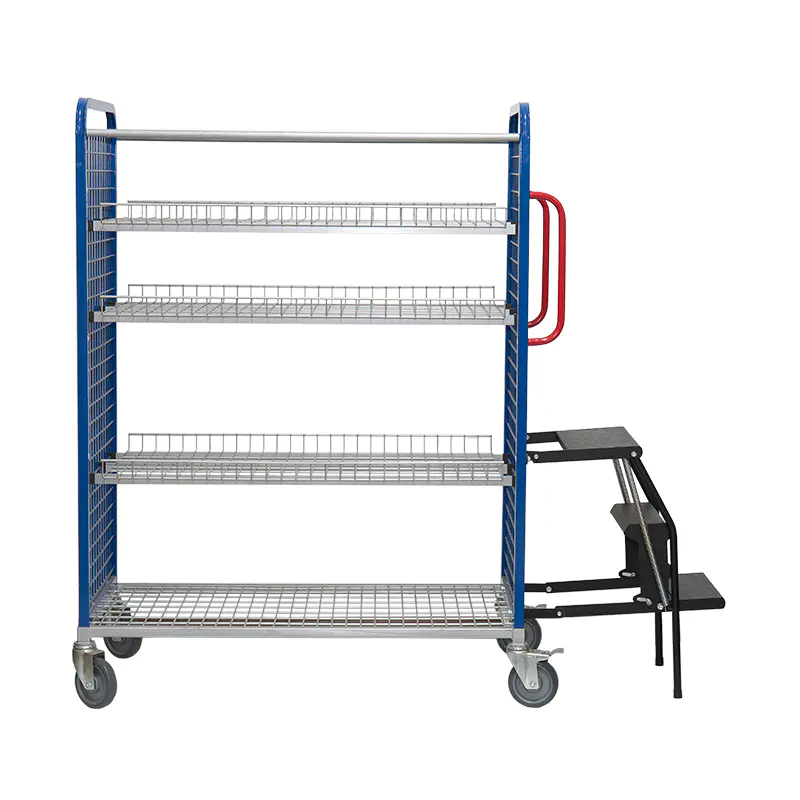
Product specification:This Warehouse wire mesh Multi-Tier Order Picking Trolley adopts a chassis and side panel structur...
See Details -
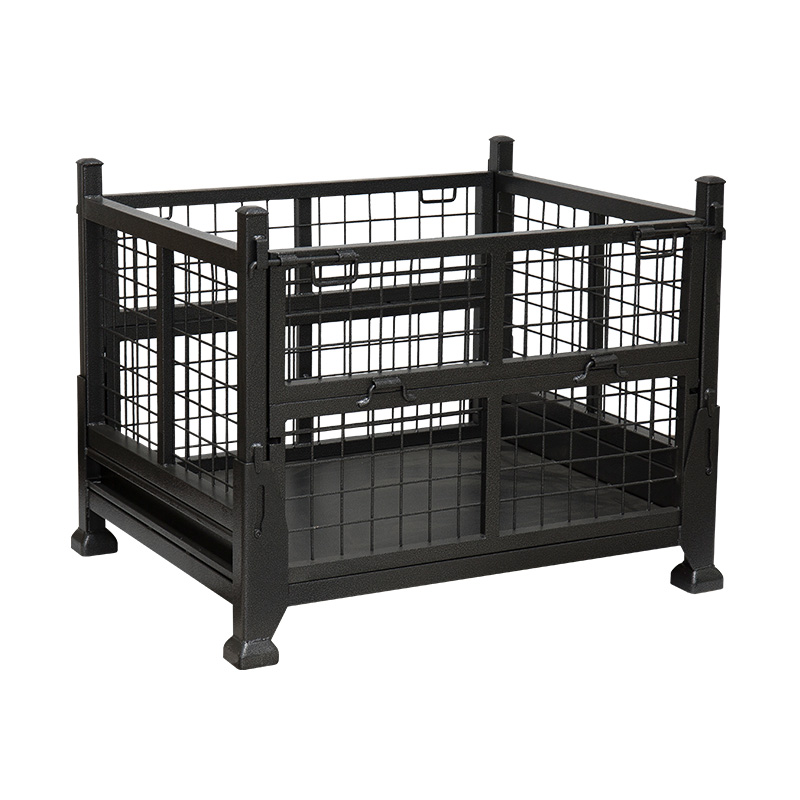
Foldable pallet cages are an important tool in factory logistics. They play an important role in transportation, distrib...
See Details -
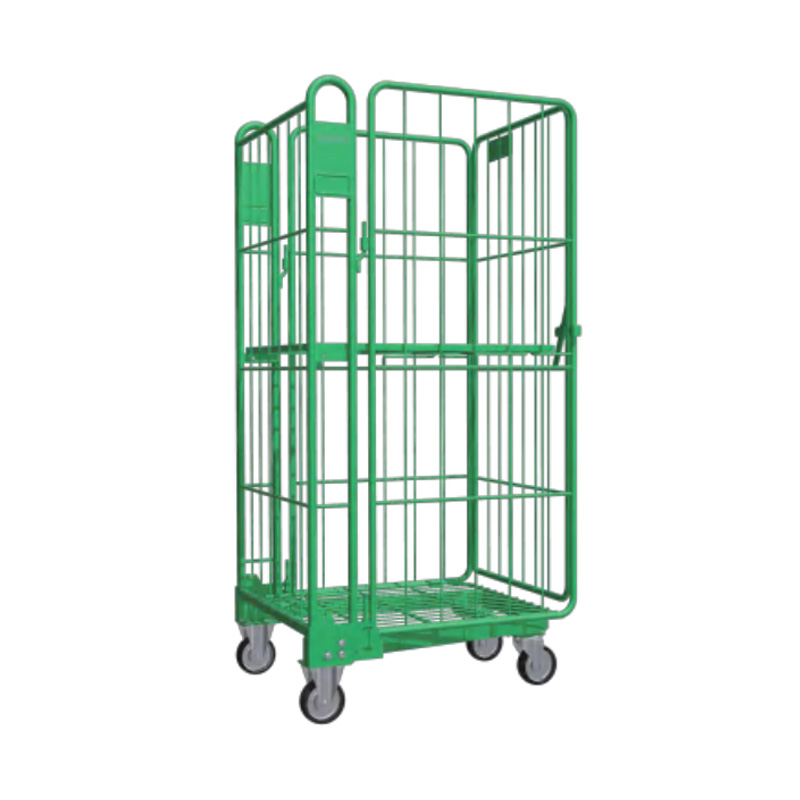
Product specification:The chassis is made of a square tube frame, with a bottom metal sheet tray that can be folded up a...
See Details -
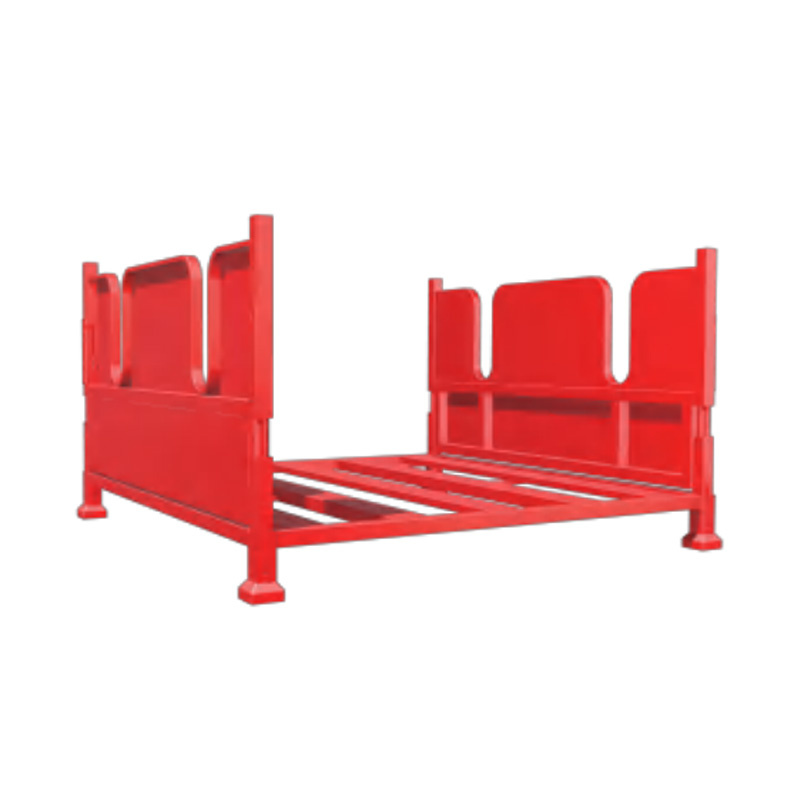
Stacking rack, also known as Qiaogu rack or stacking rackIt is a transportation and storage device derived from pallets ...
See Details -
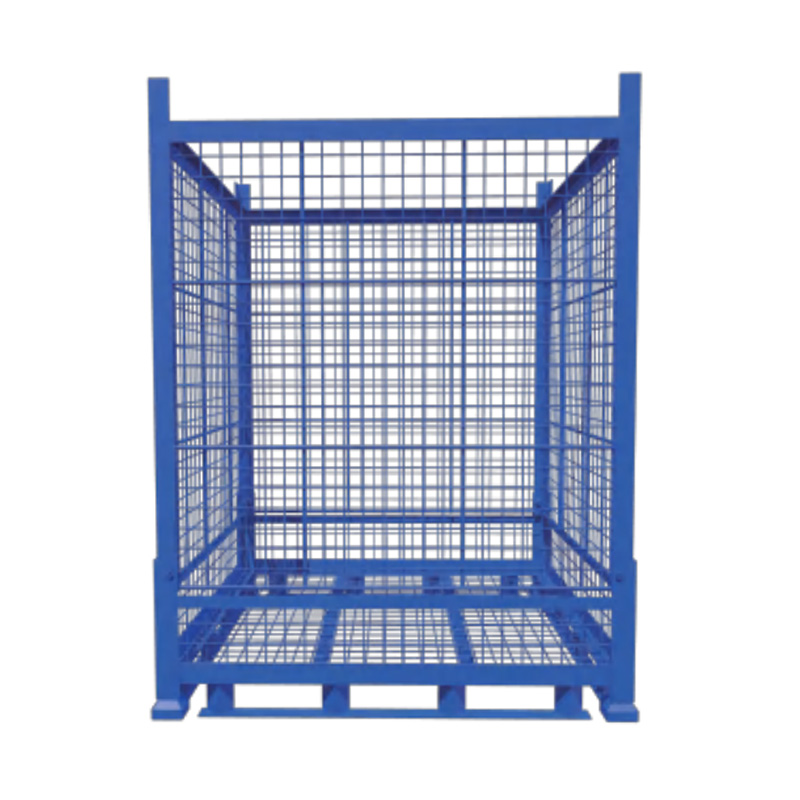
Product specification:Container structure made of L-Type plate frame with 50×50 wire mesh, with base support.Surface tre...
See Details
Contact Us

Information
-
Building B5, No. 138, Weixi Road, Weixi Village, Weitang Town, Xiangcheng District, Suzhou City, China.
-
Tel:
+86-13862140414
+86-13951110334 -
Phone: +86-512-65905480
