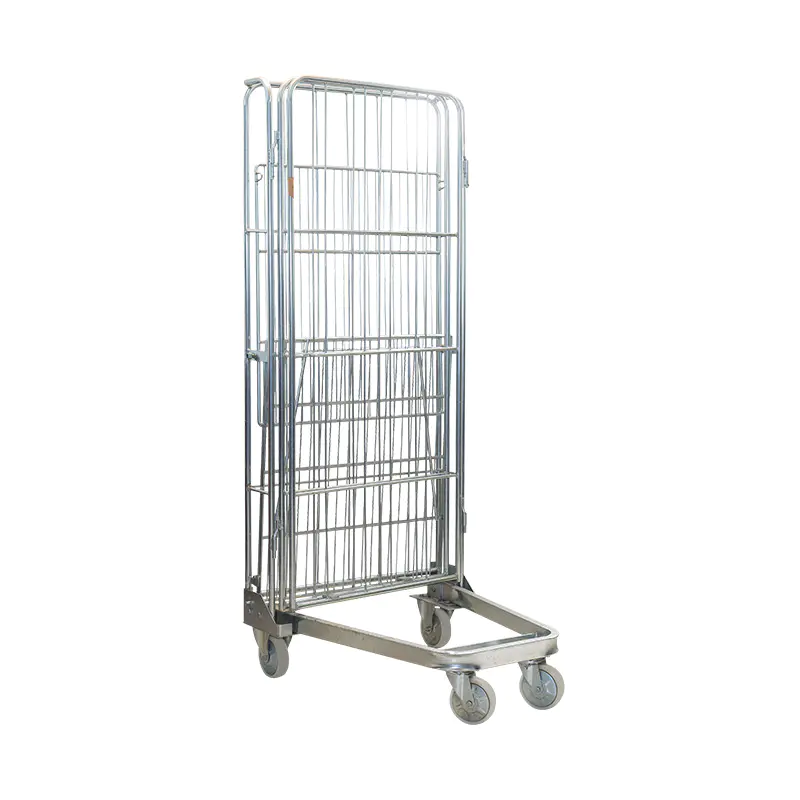
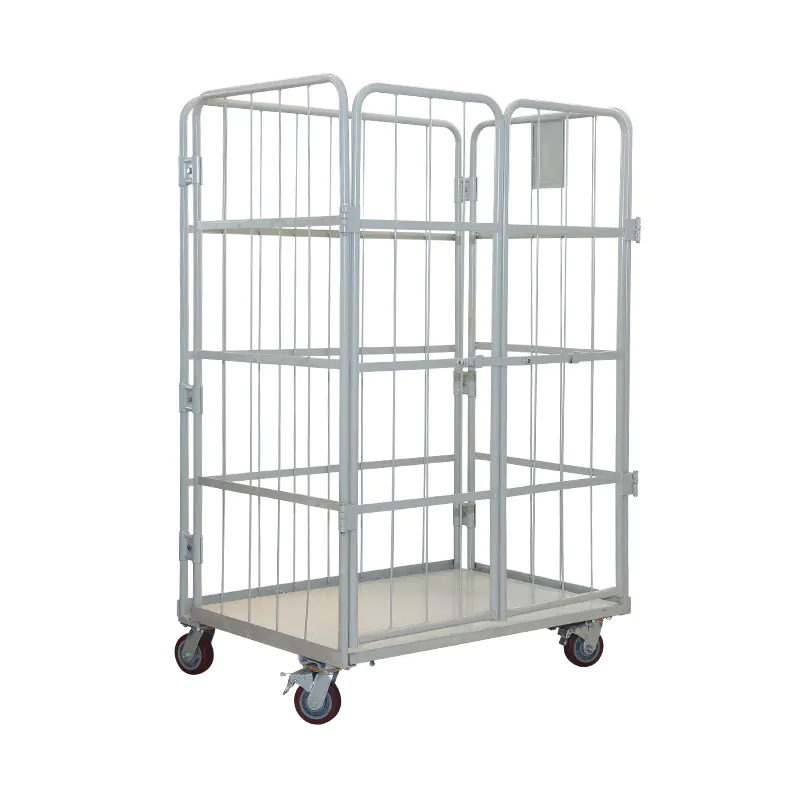
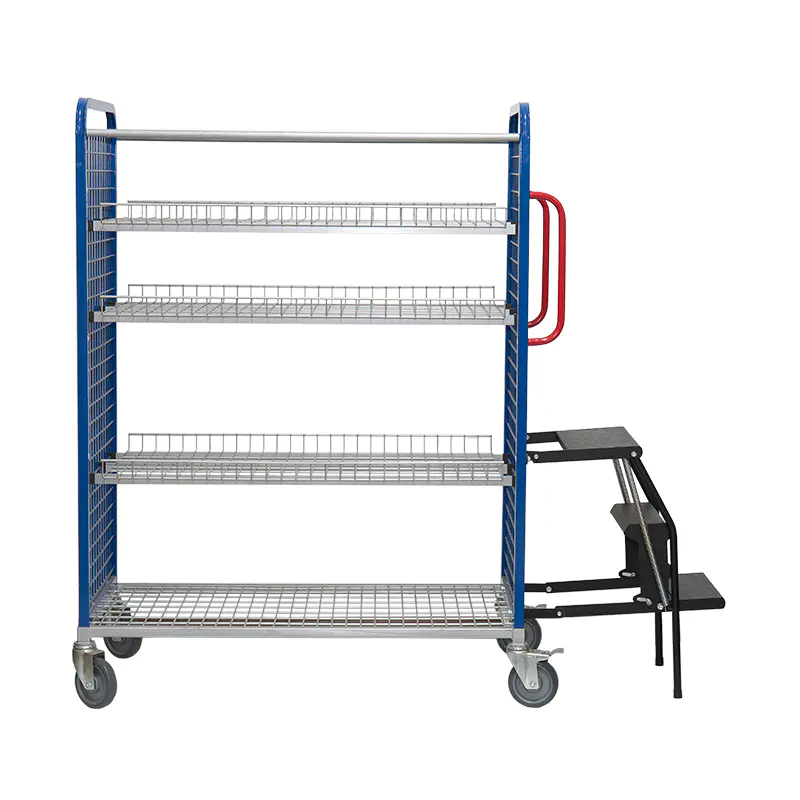
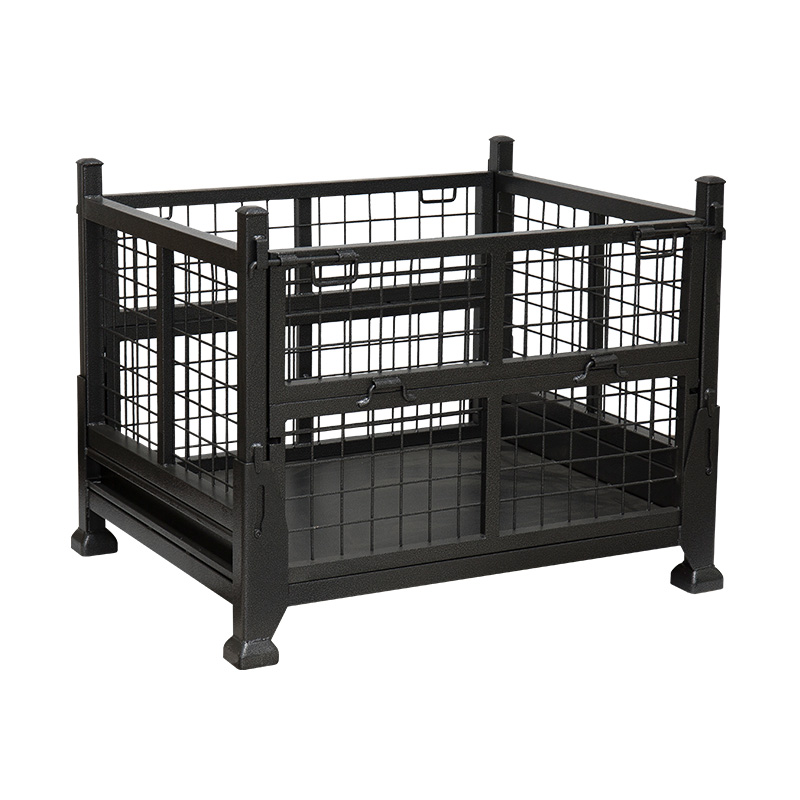
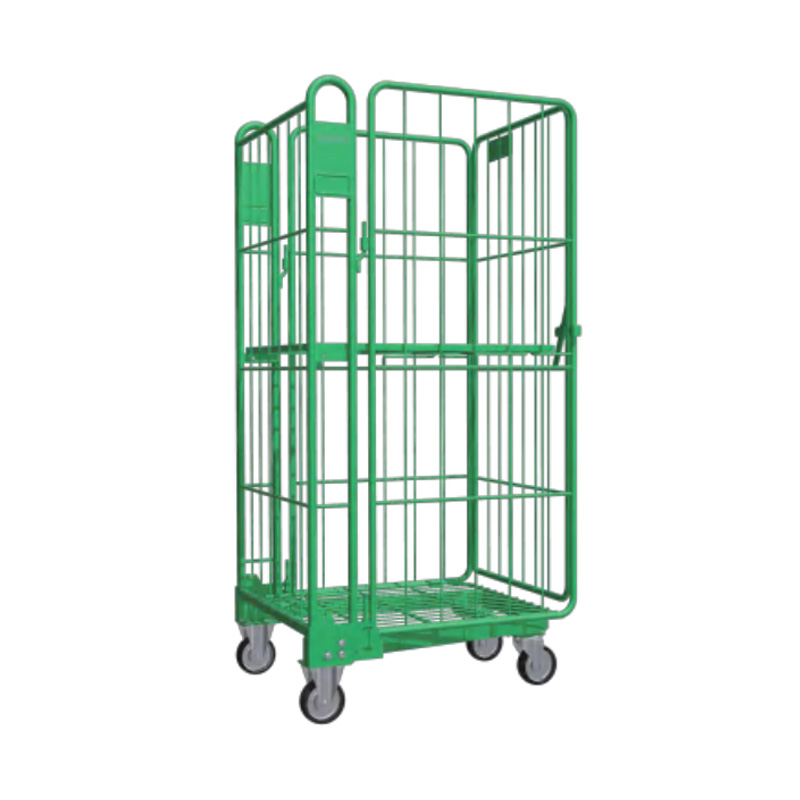
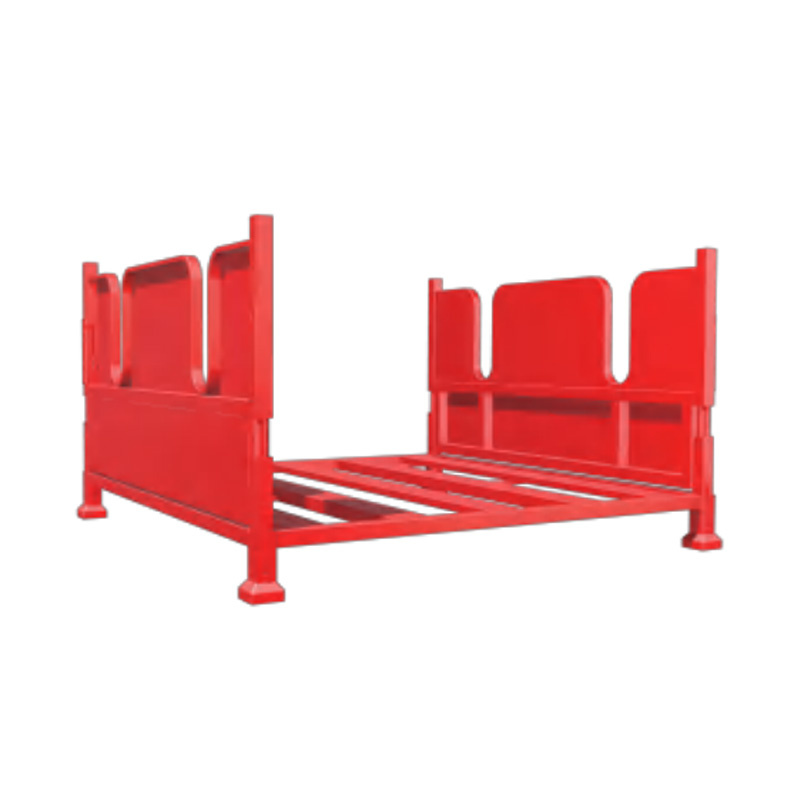
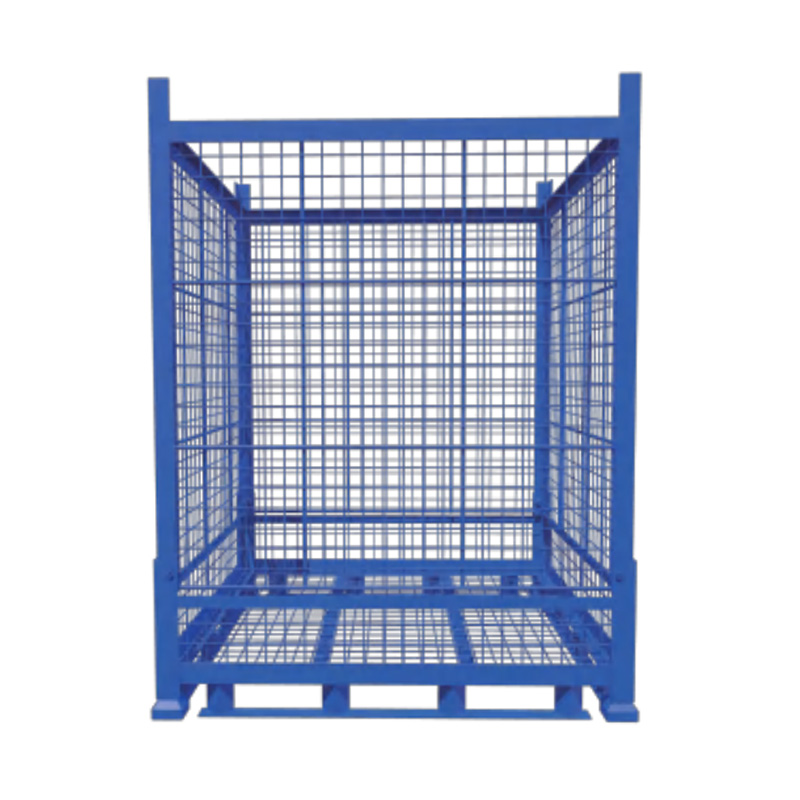
In modern industrial logistics and material handling environments, warehouse storage wire mesh pallet cage assemblies are fundamental structural elements used for material containment, load organization, and efficient handling. Because these components are typically exposed to operational stresses, mechanical abrasion, environmental humidity, and corrosive agents, surface protection plays a critical role in extending service life and maintaining structural integrity.
1. Surface Protection in Material Handling Systems: An Engineering View
Before comparing the two finishing methods in depth, it is important to clarify why surface protection is not merely a cosmetic layer but rather an engineered system component with implications for:
- Structural resilience under cyclic loads and dynamic handling.
- Environmental resistance to humidity, salts, chemicals, and particulate abrasion.
- Lifecycle cost, considering maintenance, repair, downtime, and replacement.
- System integration, ensuring compatibility with automation, sensors, and mechanical interfacing.
In an engineered warehouse storage framework, a wire mesh pallet cage is not a single part but a subsystem whose surface finish interacts with mechanical, environmental, and operational domains. Therefore, selection between a galvanized or powder‑coated cage involves balancing multiple criteria derived from operational requirements and system constraints.
2. Technical Overview of Galvanized Finish
2.1. Process Description
Galvanization refers to the application of a zinc metallic layer to ferrous steel components. The most common industrial method for structural components is hot‑dip galvanizing (HDG), where assembled steel components are submerged into a molten zinc bath, forming a metallurgically bonded coating.
The zinc layer formed comprises multiple intermetallic layers that are metallurgically fused to the steel substrate.
2.2. Material Characteristics
The resultant coating provides:
- A barrier layer that physically isolates steel from corrosive environments.
- Cathodic protection, where zinc corrodes preferentially to the steel substrate, delaying onset of base material oxidation.
- A uniform metallurgical bond that resists mechanical impacts and abrasion better than loosely adherent coatings.
2.3. Implementation Considerations
Key engineering characteristics include:
- Thickness is controlled primarily by steel composition, immersion time, and temperature; engineers typically see coatings in the range of 70–150 µm for structural applications.
- Coverage completeness including corners, interior welds, and mesh voids, as molten zinc wets the entire surface.
- Thermal effects from immersion can produce dimensional variations and may require post‑process alignment checks.
3. Technical Overview of Powder‑Coated Finish
3.1. Process Description
Powder coating is a dry finishing process where finely ground polymer particles (typically thermoset resins with additives) are electrostatically applied to a pre‑treated surface and then cured under heat, forming a continuous polymer film.
The process occurs after de‑greasing and surface conditioning to ensure proper adhesion.
3.2. Material Characteristics
The resultant coating provides:
- A decorative and protective polymer film that can be controlled for thickness and texture.
- Electrical insulation properties and color uniformity.
- Resistance to mild chemical exposure and abrasion.
3.3. Implementation Considerations
Key engineering aspects include:
- Pre‑treatment criticality: surface cleaning, phosphate conversion, or etching must be consistent to prevent adhesion failure.
- Controlled curing requires precise thermal profiles to prevent cracking, orange peel texture, or under‑curing.
- Thickness control typically ranges from 40–120 µm depending on system requirements.
4. Comparative Evaluation: Corrosion Resistance
Corrosion resistance is central to the performance of warehouse storage wire mesh pallet cage systems, especially where humidity, salts, and chemical exposure may be present.
4.1. Mechanisms of Protection
| Finishing Method |
Protective Mechanism |
Durability Exposure |
Notes |
| Galvanized |
Metallurgically bonded zinc; sacrificial cathodic protection |
High |
Effective in aggressive environments; long lifecycle even with occasional abrasion |
| Powder‑Coated |
Polymer barrier film |
Moderate |
Requires intact film; breaches can expose steel to corrosion |
Galvanization physically alters the steel surface with bonded zinc compounds, providing dual mechanisms of protection (barrier + sacrificial action). In contrast, powder coating provides a barrier only without sacrificial properties.
4.2. Field Implications
- In high‑moisture or outdoor environments, galvanized finishes typically outperform polymer films due to the metallurgical bond and cathodic protection.
- In controlled indoor environments with minimal chemical exposure, powder coating can perform adequately but remains sensitive to barrier breaches.
5. Mechanical Performance Under Operational Loading
Structural reliability in a material handling system is influenced by surface finish performance under mechanical stress.
5.1. Abrasion and Impact Resistance
| Aspect |
Galvanized Finish |
Powder‑Coated Finish |
| Impact Resistance |
High (metallurgical bond) |
Moderate (film may chip) |
| Abrasion Resistance |
Moderate to High |
Variable (depends on thickness and polymer formulation) |
| Repairability |
Self‑protecting (zinc corrosion products bind) |
Requires recoating |
Galvanized coatings tend to maintain integrity under impact loading because the coating is not merely a film but integrated into the steel surface structure. Powder‑coated films can chip or crack when impacted or abraded repeatedly, especially at edges and intersections where handling forces concentrate.
5.2. Structural Fatigue Considerations
Repeated loading cycles on a warehouse storage wire mesh pallet cage can initiate microcracking in polymer films, leading to accelerated degradation if maintenance is deferred. In contrast, galvanized coatings do not exhibit film microcracking and maintain protective integrity longer under cyclic loading.
6. Compatibility with Automation and Integration
Modern industrial facilities increasingly integrate automation—robotic pickers, conveyor tracking, automated forklifts—into material handling systems. Surface finishes on structural components can influence sensor performance, mechanical interfacing, and long‑term wear patterns.
6.1. Sensor Interference
- Galvanized surfaces typically provide stable, predictable reflectivity for optical and laser sensors.
- Powder‑coated surfaces may have variable reflectivity depending on color and texture, which can affect sensor calibration.
6.2. Mechanical Coupling and Wear Tracking
- Systems that monitor wear or impedance changes may require uniform surface conditions; galvanized coatings offer more predictable electrical and surface properties compared to polymer films.
7. Lifecycle and Total Cost of Ownership (TCO)
A systems engineering perspective emphasizes TCO rather than initial unit cost alone. The following table outlines main cost drivers:
| Factor |
Galvanized |
Powder‑Coated |
| Initial Material Cost |
Moderate |
Moderate |
| Application Complexity |
Lower in mass production |
Higher (pre‑treatment critical) |
| Maintenance |
Lower |
Higher (touch‑ups, recoating) |
| Expected Replacement Interval |
Longer |
Moderate |
| Downtime Risk |
Lower |
Higher under heavy use |
7.1. Maintenance Burden
Because galvanized coatings provide both barrier and sacrificial protection, they generally require little proactive maintenance in most industrial environments. In contrast, powder‑coated finishes may need periodic touch‑ups after abrasion, impact, or scratches to maintain protective function.
7.2. Rework and Field Repairs
Surface repair of powder‑coated cage sections often requires disassembly, surface prep, and recoating. In contrast, mild damage to galvanized finishes tends to self‑heal through the formation of zinc corrosion products that remain adherent and protective.
8. Environmental and Occupational Considerations
Both finishing methods must be evaluated for environmental impacts, workplace safety, and compliance with industrial standards.
8.1. Workplace Safety
- Galvanizing involves high‑temperature processes and requires industrial ventilation during application.
- Powder coating involves aerosolized particles and curing ovens; proper PPE and ventilation are mandatory.
8.2. Environmental Impact
- Galvanized zinc can be recycled, and zinc runoff must be managed to comply with regulations.
- Powder coatings are solvent‑free and produce minimal VOCs, but care is required in disposal of overspray and particulates.
8.3. Regulatory Compliance
Both systems are widely accepted in industrial standards for structural finishes; selection should align with regulatory requirements related to corrosion resistance and indoor air quality.
9. Influence of Operational Environment
The choice between galvanized and powder‑coated finishes should not be made in isolation from environmental conditions.
9.1. Indoor Dry Environments
In clean, climate‑controlled facilities, both finishes can provide adequate protection. Powder coating may reduce initial surface imperfections and provide desired color coding for operational identification.
9.2. Humid or Chemical‑Exposed Environments
Galvanized finishes outperform polymer films when exposed to:
- High humidity
- Salt spray
- Chemical vapor
Because of the sacrificial nature of zinc, the protective mechanism continues even after surface abrasion.
9.3. Temperature Fluctuations
Powder coatings can experience thermal expansion mismatch with underlying steel, potentially resulting in microcracking under extreme temperature variations. Galvanized coatings, being metallurgically bonded, maintain adhesion across a wider thermal range.
10. Design and Specification Guidance
Engineering specification of surface finishes for warehouse storage wire mesh pallet cage systems should consider:
- Environmental exposure class
- Mechanical load profiles
- Integration with automated equipment
- Maintenance strategy
- Lifecycle expectations
A systematic specification approach involves:
- Environmental assessment: humidity, corrosive agents, outdoor exposure.
- Mechanical profiling: expected impacts, abrasion frequency.
- Lifecycle planning: target operational lifetime before major intervention.
- Integration testing: sensor performance, mechanical interfaces.
- Maintenance regime design: scheduled reviews and corrective finish actions.
11. Case Scenarios and Engineering Trade‑Offs
11.1. High‑Volume Distribution Center
In a distribution center with high handling frequency, occasional moisture exposure, and heavy forklifts:
- Galvanization is typically preferred due to low maintenance and high mechanical resilience.
11.2. Climate‑Controlled Assembly Facility
For an indoor facility with controlled environment and focus on identification coding through colors:
- Powder coating may be selected for aesthetics and identification schemes, provided maintenance procedures are in place for surface damage.
11.3. Outdoor Mixed‑Use Yard
When warehouse storage wire mesh pallet cage modules are used outdoors and indoors interchangeably:
- A galvanized base with optional powder‑coated topcoat may provide a compromise, combining environmental resistance with visual coding. The combined approach should be specified with clear adhesion and performance criteria.
Summary
Selection between galvanized and powder‑coated finishes for warehouse storage wire mesh pallet cage systems is not a matter of preference but rather a multi‑criteria engineering decision. Key differences include:
- Protection mechanism: sacrificial and metallurgical barrier vs polymer barrier film.
- Corrosion resistance: galvanized provides superior performance in aggressive environments.
- Mechanical robustness: galvanized excels under impact and abrasion.
- Maintenance load: powder‑coated finishes often demand higher maintenance.
- Environmental sensitivity: powder coatings are sensitive to breaches and temperature cycling.
- Integration concerns: surface finish affects sensor calibration and mechanical interfacing.
Given these distinctions, surface finish specification should be derived from operational profiles, environmental assessments, integration requirements, and lifecycle planning.
Frequently Asked Questions (FAQ)
Q1: How does finish choice affect service life of pallet cage systems?
A1: Service life is extended where environmental exposure, mechanical loads, and maintenance resources are matched to the appropriate finish; for harsher conditions, galvanized finishes generally extend service life relative to powder‑coated films.
Q2: Can both finishes be combined?
A2: Yes, a dual approach (galvanized base + powder coat) can be used, though engineers must specify adhesion performance and thermal compatibility.
Q3: Does finish selection affect recyclability?
A3: Both finishes can be managed within standard recycling streams; however, powder coats require removal prior to some recycling processes.
Q4: Are there standards governing finish quality?
A4: Yes, industrial standards for coating thickness, adhesion, and environmental performance should be referenced in technical specifications.
Q5: How frequently should finishes be inspected?
A5: Inspection intervals should align with operational risk; high‑traffic facilities typically schedule quarterly reviews of surface integrity.
References
- ASTM International. Standard Specification for Zinc Coating (Hot‑Dip) on Iron and Steel Products. ASTM A123.
- DOD, US Department of Defense. Steel Structures Coating Guidance.
- NACE International. Corrosion Control Standards and Surface Preparation.



 Español
 русский
 عربى
عربى