In modern logistics and warehousing, the choice of material handling equipment plays a critical role in optimizing efficiency, reducing operational costs, and ensuring the safety of stored goods. Among the commonly used solutions, foldable and collapsible pallet cage and fixed pallet cage are widely employed for bulk storage and transportation. While both serve the fundamental purpose of facilitating organized material handling, their design principles, structural configurations, and operational advantages differ significantly.
Structural design differences
Frame construction
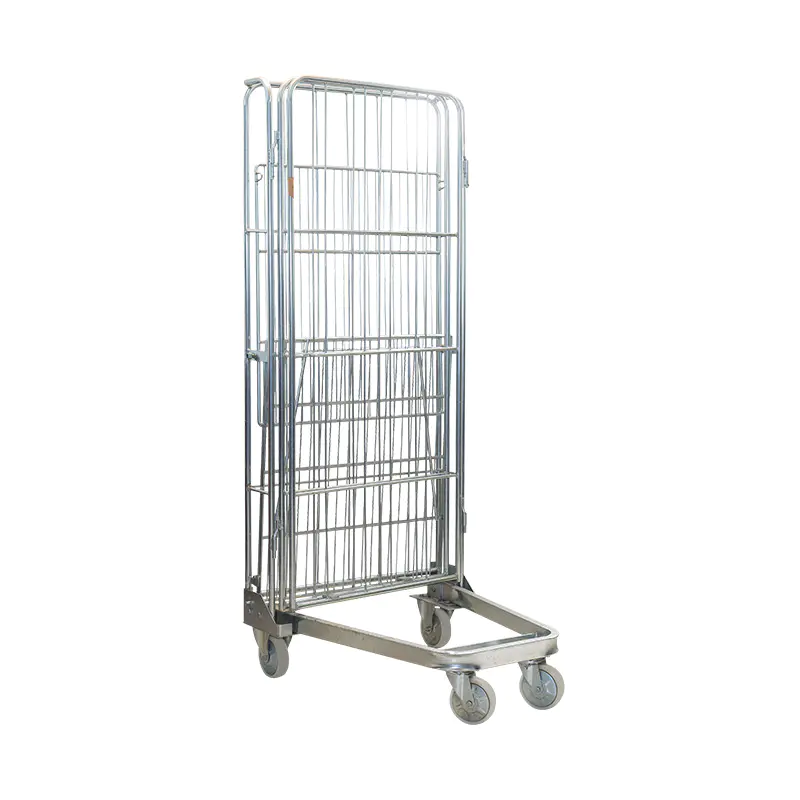
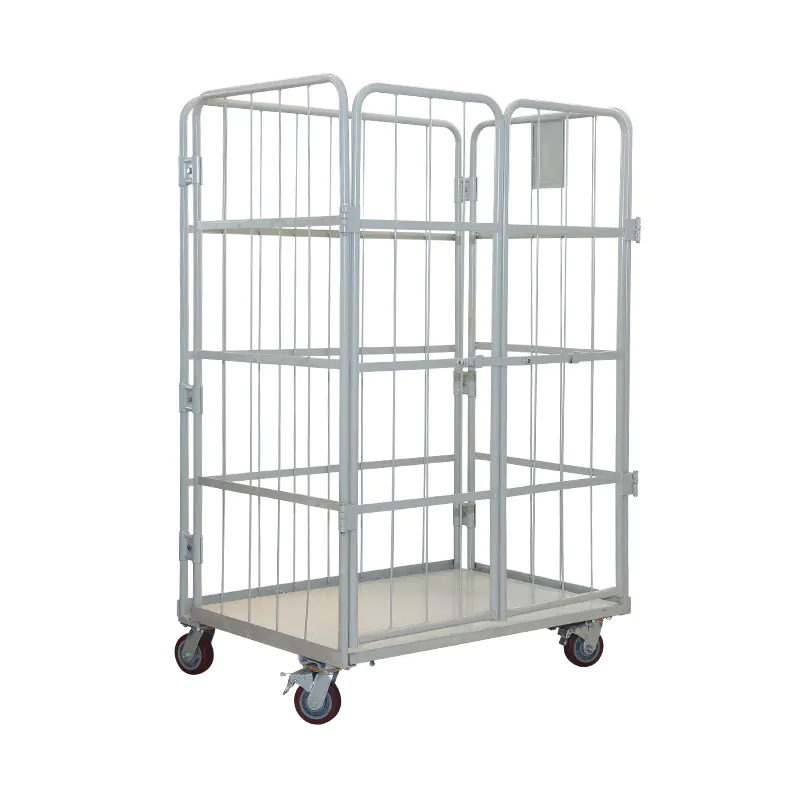
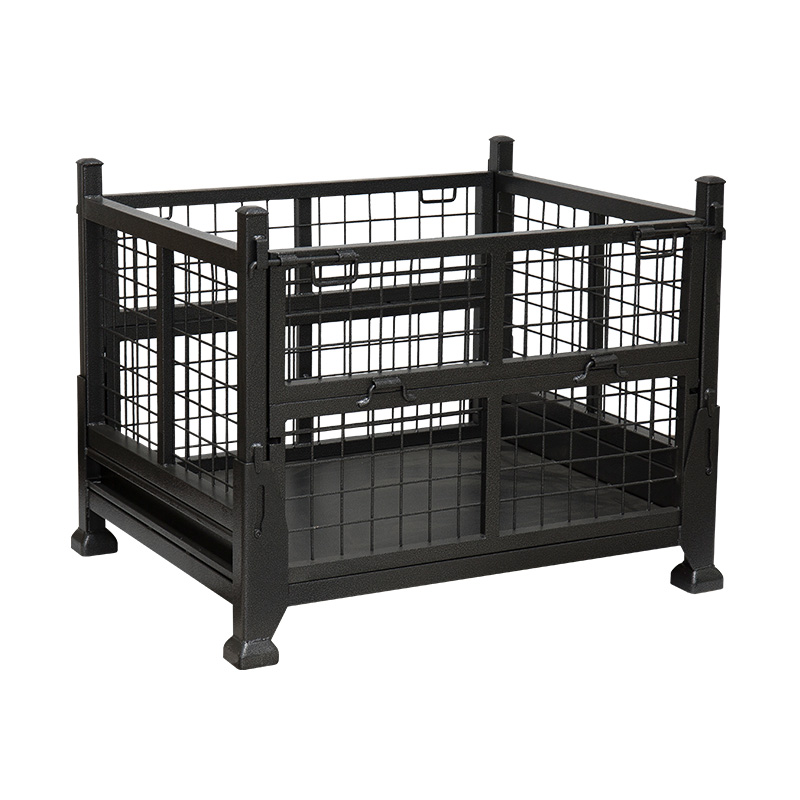
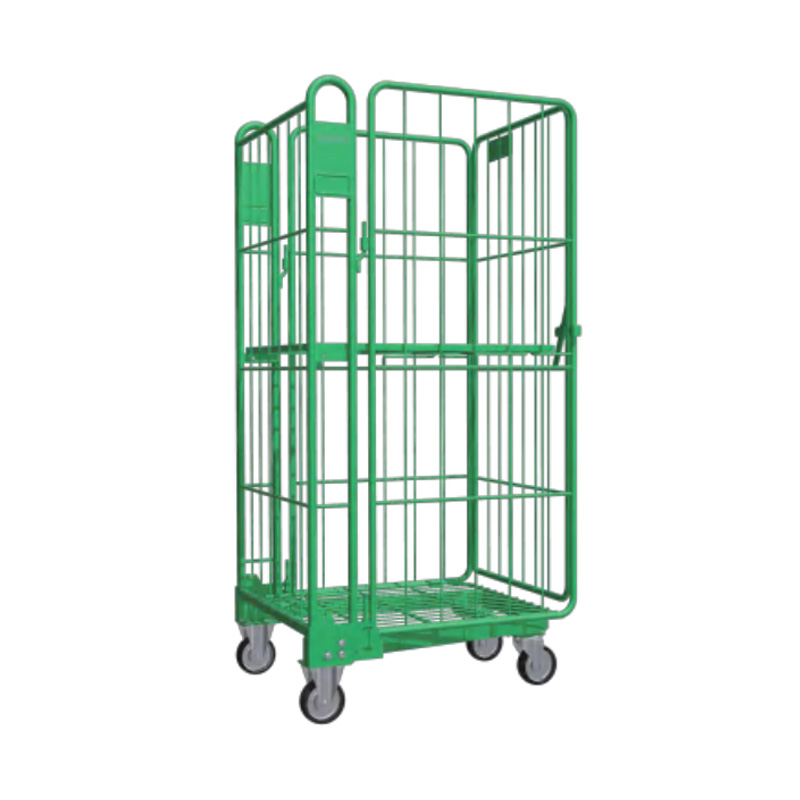
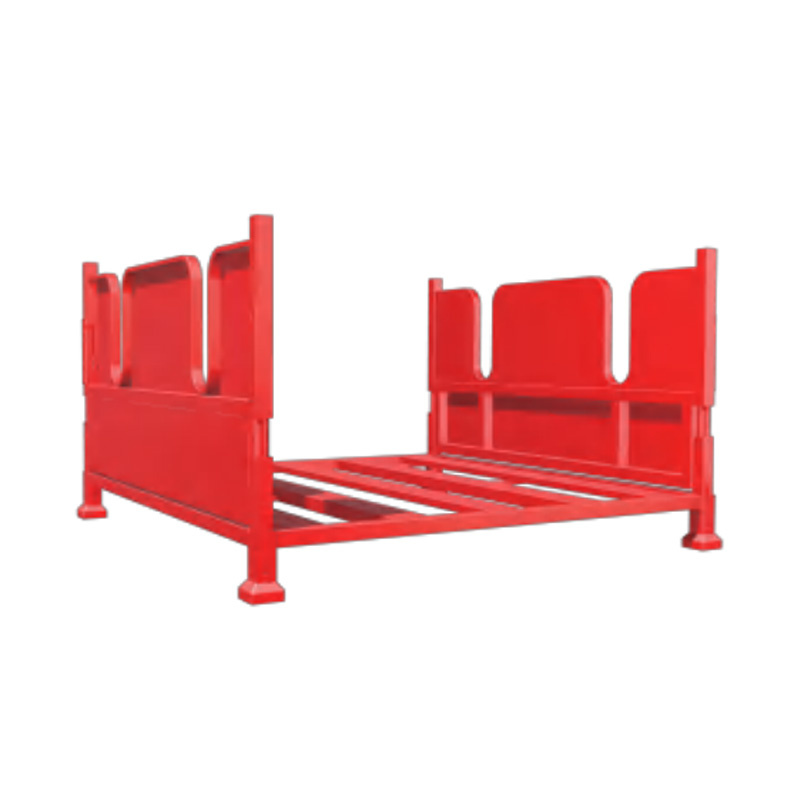
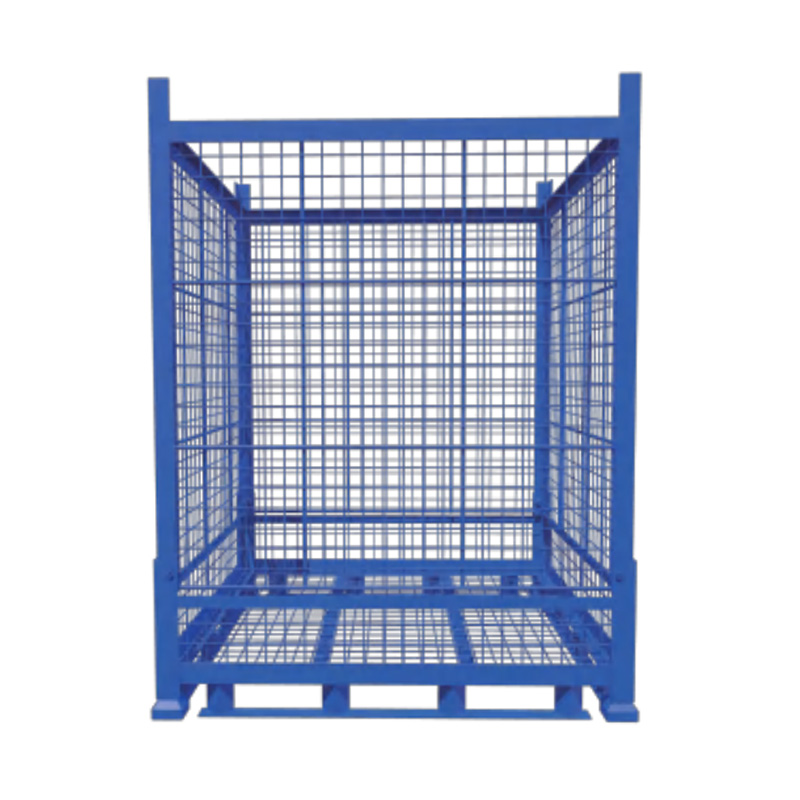
The primary distinction between a foldable and collapsible pallet cage and a fixed pallet cage lies in their frame design. A fixed pallet cage features a rigid, permanent frame, often constructed from high-strength steel tubes or heavy-gauge sheet metal. These cages are designed to maintain their shape under substantial load, providing excellent structural stability for stacked storage and repeated handling.
In contrast, a foldable and collapsible pallet cage incorporates hinged joints, removable panels, or collapsible sides that allow the cage to fold flat when empty. These joints are engineered for durability while enabling frequent folding and unfolding cycles without compromising load integrity. Hinge mechanisms, locking pins, and reinforced corners are typical features that distinguish foldable designs from fixed cages.
The flexibility of the folding design reduces storage space requirements, especially when transporting empty cages back to the warehouse. It also facilitates efficient return logistics and minimizes unused floor area in warehouses or distribution centers.
Panel design and mesh configuration
Fixed pallet cages generally utilize welded wire mesh panels or solid sheet metal sides, which are permanently attached to the frame. The mesh size and panel thickness are selected to optimize load containment and prevent deformation under heavy loads. Solid sheet metal panels provide enhanced security and protection against dust or debris, making them suitable for sensitive or small parts storage.
A foldable and collapsible pallet cage, however, employs detachable or foldable panels, often with lighter mesh to reduce overall weight and improve handling convenience. These panels are designed to interlock securely when the cage is in use, ensuring stability comparable to a fixed cage. Some foldable designs allow the panels to swing inward or downward during collapse, creating a compact footprint suitable for return transportation.
Base design
The base is a crucial component in both cage types, as it supports the load and interacts with handling equipment such as forklifts and pallet jacks. Fixed pallet cages typically feature a fully welded base, which may include reinforced corners or crossbars to accommodate heavy loads and repeated stacking.
In contrast, a foldable and collapsible pallet cage often incorporates a base that can pivot or retract, allowing the cage to fold without disassembling the structure entirely. This design ensures that the cage maintains adequate load distribution while enabling space-saving storage. The use of standard pallet dimensions ensures compatibility with conventional material handling equipment.
Table 1: Structural Comparison of Foldable and Fixed Pallet Cages
| Feature |
Foldable and collapsible pallet cage |
Fixed pallet cage |
| Frame rigidity |
Hinged, collapsible |
Rigid, permanent |
| Side panels |
Detachable/foldable, mesh or light panels |
Welded mesh or solid sheets |
| Base design |
Pivot or retractable for folding |
Fully welded, reinforced |
| Load capacity |
Moderate to high, depends on design |
High, permanent stability |
| Space-saving capability |
High (collapsible) |
Low |
Material considerations
Material selection plays a pivotal role in the performance, durability, and lifespan of both foldable and fixed pallet cages.
Common materials
Steel remains the primary material for both cage types, offering high strength, durability, and load-bearing capacity. Mild steel is typically used for standard applications, whereas higher-strength alloys may be employed for heavy-duty operations. Powder-coated finishes or galvanization are often applied to prevent corrosion and enhance durability in industrial environments.
For a foldable and collapsible pallet cage, material selection must balance strength and weight. Lightweight steel or alloy combinations are preferred to facilitate manual handling, folding, and stacking. While the cage must maintain structural integrity under load, excessive weight can undermine its collapsibility advantage. In some cases, reinforced corners and hinges are made from stronger steel alloys to ensure longevity without compromising portability.
Surface treatment
Surface treatment enhances resistance to environmental factors such as moisture, dust, and chemical exposure. Fixed pallet cages often have robust coatings due to their permanent nature, whereas foldable and collapsible pallet cages require coatings that maintain adhesion despite repeated folding cycles. Techniques such as powder coating, galvanization, or epoxy painting are commonly applied to both cage types, but with additional consideration for wear points in foldable designs.
Operational considerations
Handling and storage efficiency
A foldable and collapsible pallet cage offers significant operational advantages in handling empty cages. When not in use, these cages can be collapsed to a fraction of their full height, reducing warehouse storage space requirements and improving logistics efficiency. They are particularly suitable for businesses with high return logistics demands or limited storage space.
Fixed pallet cages, while offering maximum stability and durability, cannot be collapsed and therefore require permanent storage space even when empty. This can result in higher storage costs and reduced flexibility in warehouse operations.
Load versatility and stacking
Fixed pallet cages excel in high-load applications and multi-tier stacking due to their rigid frame. They are ideal for transporting bulk materials, heavy industrial components, or secure goods. The permanent frame ensures that the cage maintains its shape under repeated stacking, minimizing the risk of deformation.
Foldable and collapsible pallet cages are designed to maintain stacking integrity when in use, often featuring interlocking corners or locking mechanisms to stabilize the load. However, their load capacity may be slightly lower than fixed cages, particularly when multiple tiers are stacked, due to the mechanical stress on hinges and folding components.
Transportation and logistics
A key advantage of a foldable and collapsible pallet cage is its adaptability for transport. Collapsible cages reduce space during backhauls or return trips, lowering shipping volume and associated costs. Fixed pallet cages occupy the same volume whether full or empty, leading to less efficient transportation.
Table 2: Operational Comparison of Foldable and Fixed Pallet Cages
| Aspect |
Foldable and collapsible pallet cage |
Fixed pallet cage |
| Empty storage space |
Minimal (collapsible) |
Full footprint required |
| Stacking capability |
Moderate, interlocking supported |
High, stable stacking |
| Transport efficiency |
High for return logistics |
Lower, occupies full space |
| Handling flexibility |
High, can be manually folded/unfolded |
Moderate, heavier to move |
| Maintenance |
Hinges require inspection and lubrication |
Minimal, mostly structural |
Safety and compliance
Load safety
Safety is paramount in material handling, and both cage types incorporate features to prevent accidents and ensure load security. Fixed cages rely on solid frames and panels to contain cargo, while foldable and collapsible pallet cages incorporate locking mechanisms, reinforced hinges, and corner supports to prevent accidental collapse during use.
Compliance standards
Both foldable and fixed pallet cages may adhere to industry standards for load testing, stacking, and forklift compatibility. Buyers must ensure that cages meet relevant ISO or local safety standards for warehouse and transportation operations. The collapsible nature of foldable cages necessitates additional verification of hinge durability and load retention during stacking.
Applications
Warehousing
In warehouses, foldable and collapsible pallet cages offer space efficiency and operational flexibility. They are ideal for seasonal goods, returnable packaging, or locations with limited storage capacity. Fixed cages are preferred for permanent heavy-duty storage solutions, where consistent load-bearing capacity is critical.
Transportation and logistics
Foldable cages facilitate cost-effective transportation by reducing empty return volume. Fixed pallet cages are suited for environments requiring continuous heavy-load handling, such as manufacturing plants or industrial supply chains.
Retail and distribution
In retail distribution centers, foldable and collapsible pallet cages are advantageous for temporary storage, multi-site transfers, and seasonal fluctuations. Fixed cages are more appropriate for long-term storage or secure handling of delicate or heavy products.
Maintenance and lifecycle
Maintenance requirements differ between the two cage types. Fixed cages generally require minimal intervention beyond routine inspection for corrosion or panel damage. Foldable and collapsible pallet cages require periodic checks of hinges, locking pins, and joint integrity to ensure consistent folding performance and load safety. Proper maintenance extends the lifecycle of collapsible designs and maintains operational efficiency.
Advantages and limitations
Foldable and collapsible pallet cages offer the following advantages:
- Space-saving design for empty storage
- Flexibility in logistics and transport
- Ease of handling and manual operation
- Cost reduction in return transportation
Limitations include:
- Slightly lower load capacity compared to fixed cages
- Potential hinge wear requiring periodic maintenance
- More complex initial assembly
Fixed pallet cages provide:
- High structural stability and durability
- Superior stacking capability
- Minimal maintenance requirements
- Consistent performance under heavy loads
Limitations include:
- No space-saving ability when empty
- Heavier and less flexible for transport
- Higher storage footprint in warehouses
Conclusion
The design differences between a foldable and collapsible pallet cage and a fixed pallet cage significantly impact their operational efficiency, storage requirements, and suitability for various applications. Foldable cages prioritize flexibility, space-saving, and transport efficiency, while fixed cages emphasize structural rigidity, stacking stability, and long-term durability. Selecting the appropriate cage type requires careful consideration of load requirements, storage constraints, transportation needs, and operational priorities.
Frequently asked questions (FAQ)
Q1: Can a foldable and collapsible pallet cage support heavy industrial loads?
A1: Yes, many foldable and collapsible pallet cages are designed with reinforced frames and locking mechanisms to accommodate moderate to heavy loads. However, extremely heavy or continuous stacking may be better suited for fixed pallet cages.
Q2: How often should the hinges of a foldable and collapsible pallet cage be inspected?
A2: Hinges and locking components should be inspected regularly, typically every few months or after extensive use, to prevent wear and ensure safe operation.
Q3: Are foldable and collapsible pallet cages compatible with standard forklifts?
A3: Yes, most designs adhere to standard pallet dimensions and include forklift-accessible bases, enabling efficient material handling.
Q4: What materials are commonly used for foldable and collapsible pallet cages?
A4: Mild steel, high-strength alloys, and powder-coated or galvanized finishes are commonly used to balance strength, durability, and foldability.
Q5: How much storage space can be saved using foldable and collapsible pallet cages?
A5: When collapsed, these cages can reduce their height by 70-80%, significantly decreasing the storage footprint and optimizing warehouse space.
References
- Smith, J. (2022). Modern Warehouse Equipment: Design and Efficiency. Logistics Press.
- Lee, A., & Roberts, K. (2021). Material Handling Solutions for Industrial Applications. Industrial Supply Review.
- International Organization for Standardization. (2020). ISO 14021: Packaging and Material Handling Guidelines.



 Español
 русский
 عربى
عربى