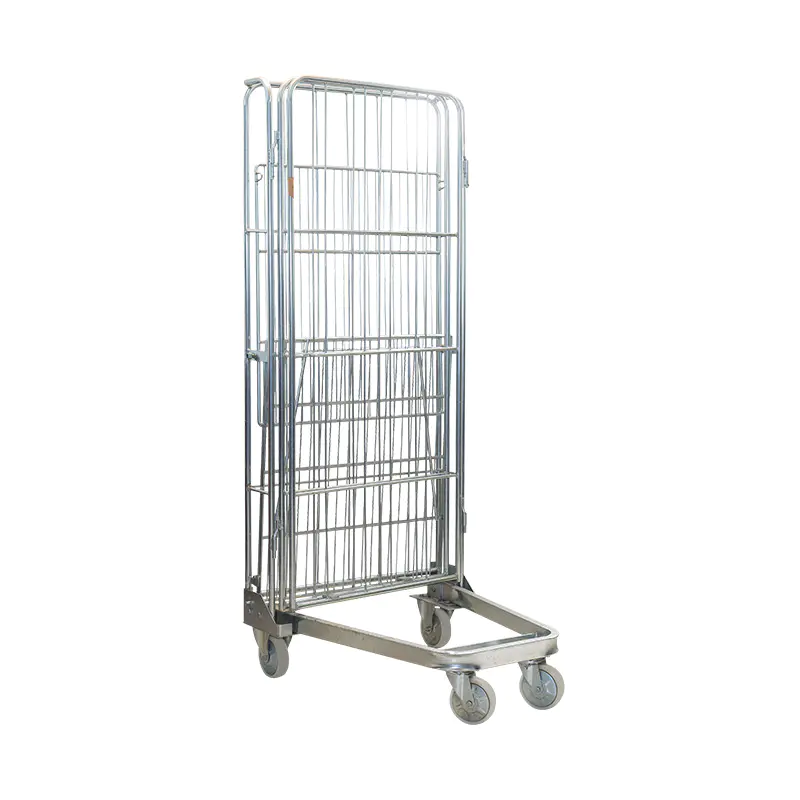
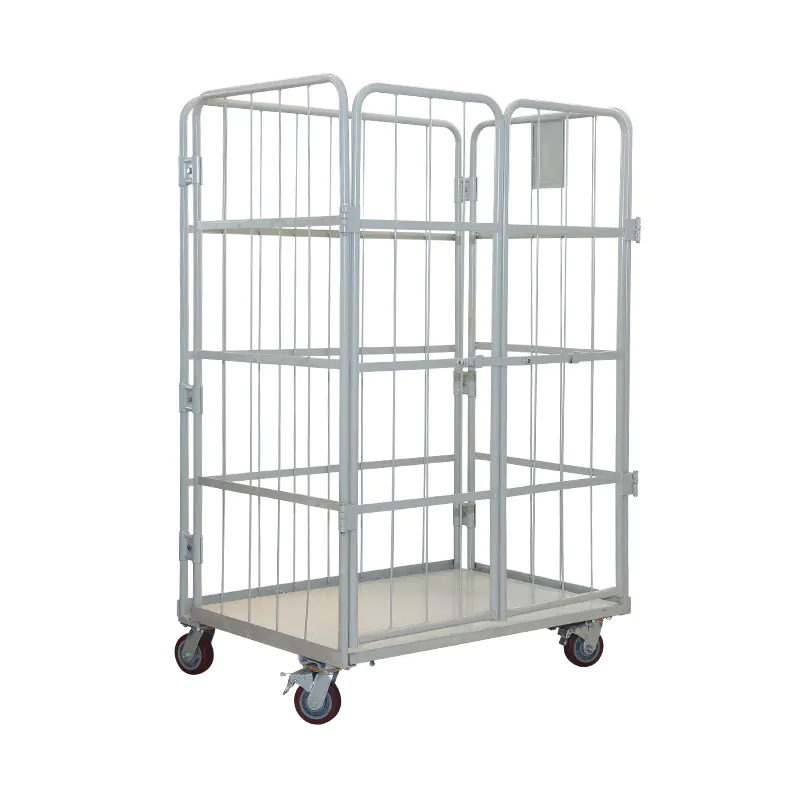
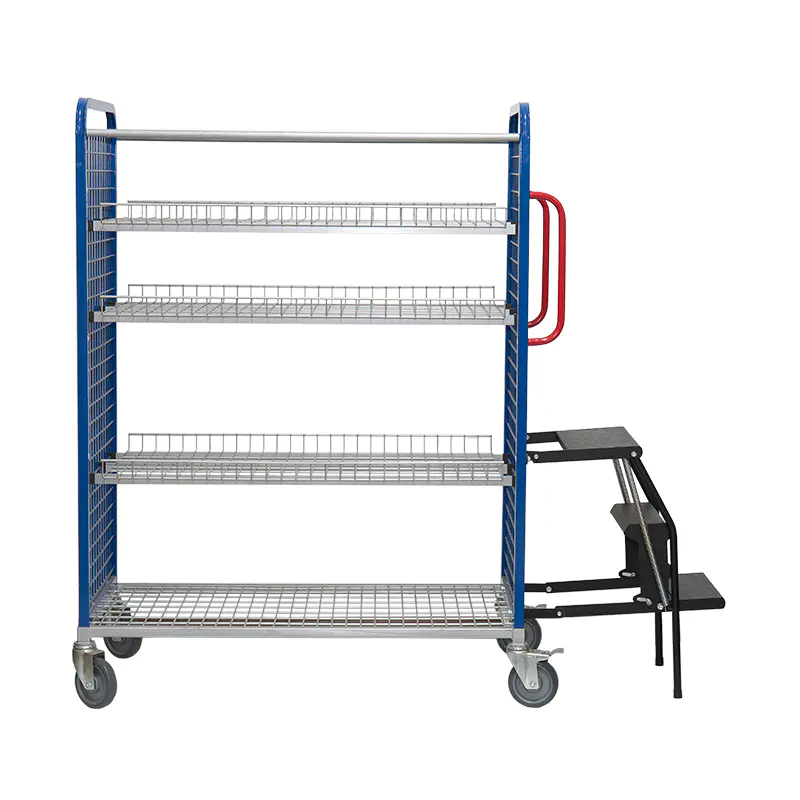
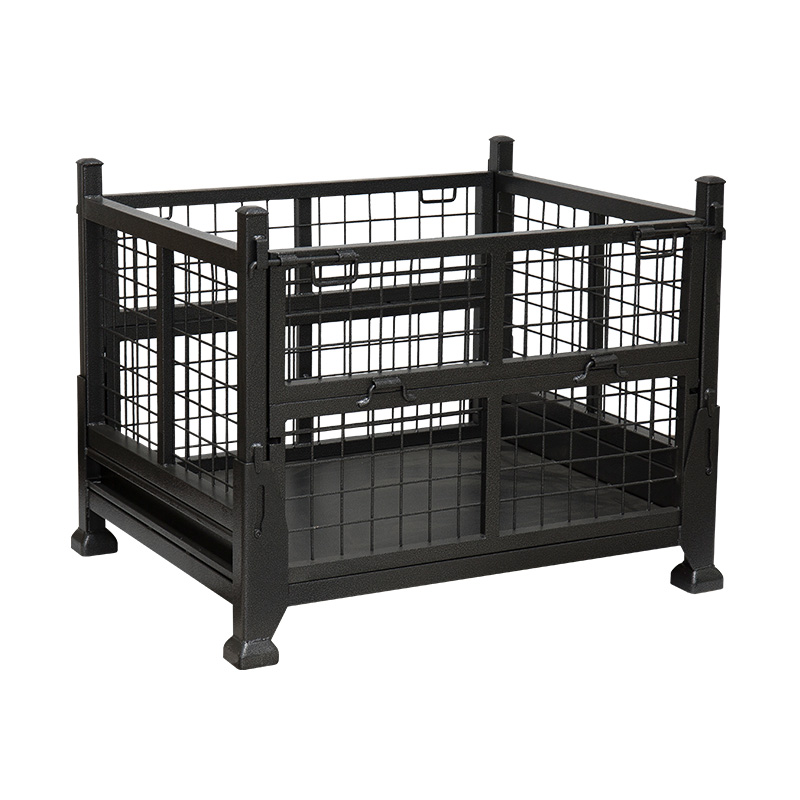
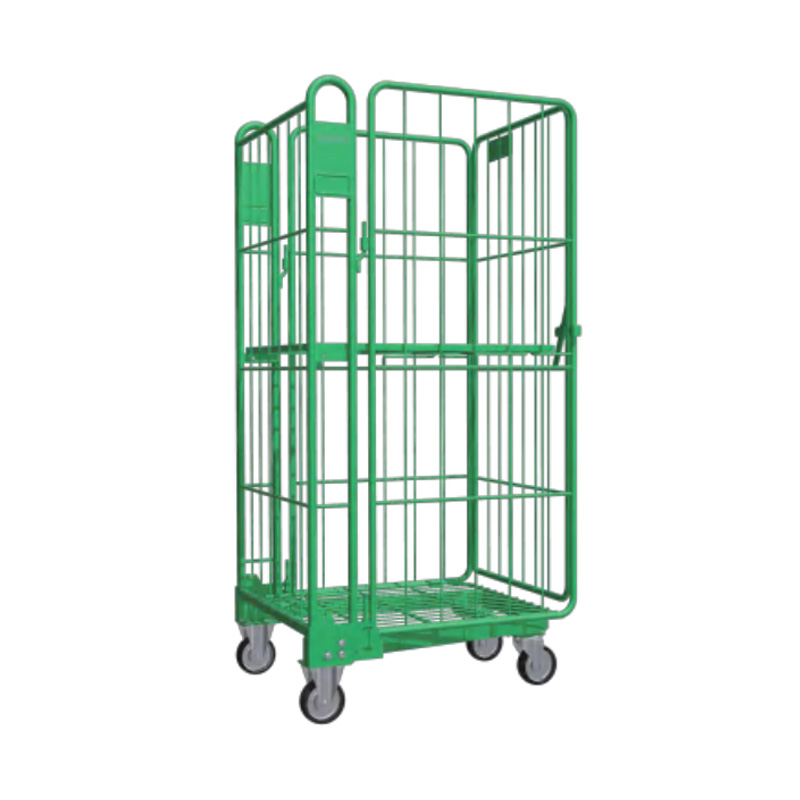
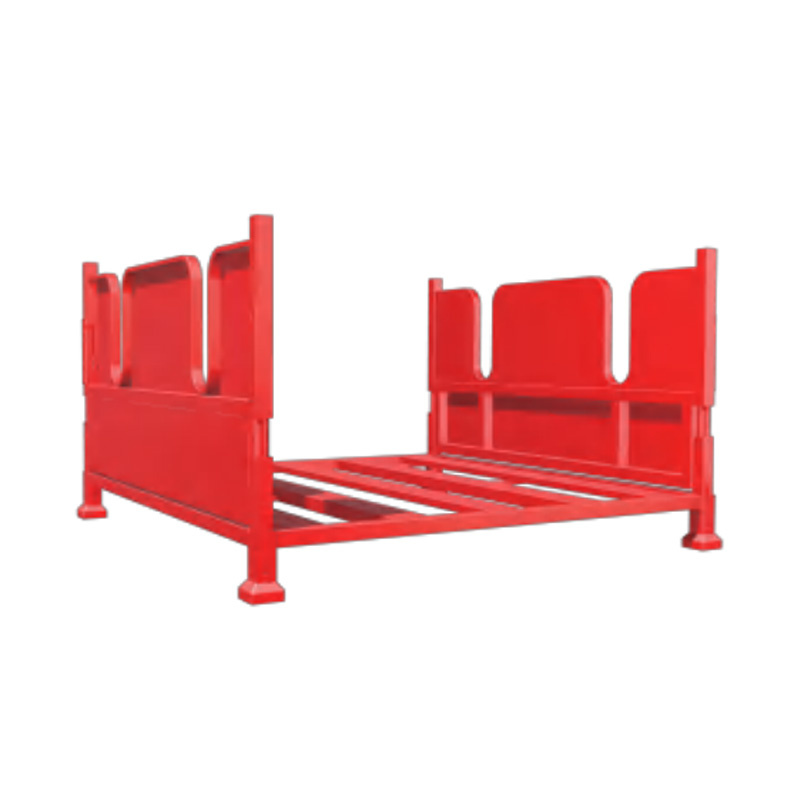
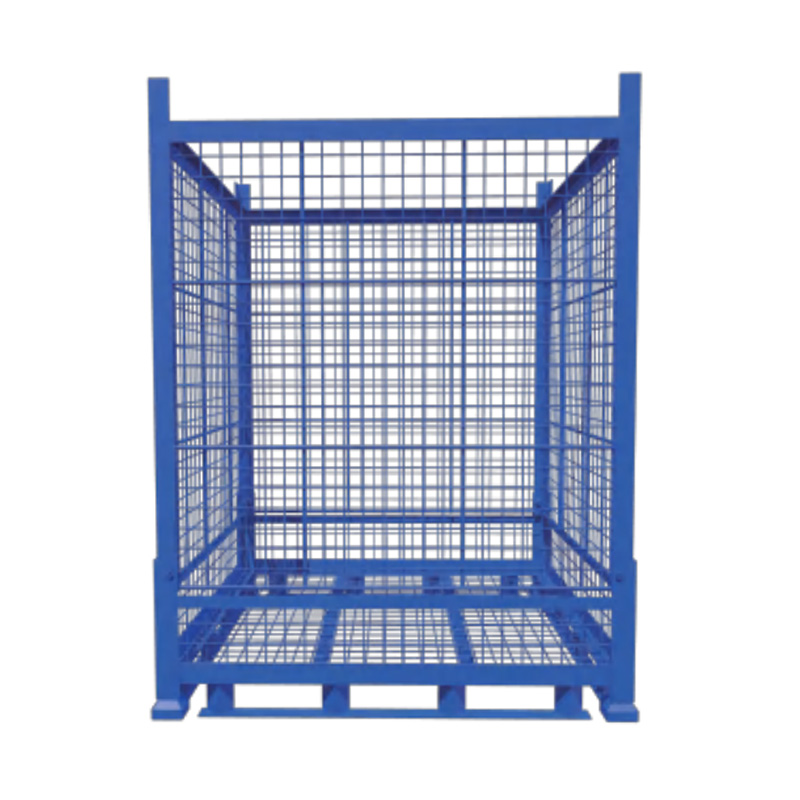
In modern warehouse management, heavy duty warehouse storage stacking folding rack systems have become an essential solution for optimizing storage space and improving operational efficiency. These racks are widely used in industrial, retail, and logistics environments due to their modular design, flexibility, and ability to support substantial loads. One of the most critical factors affecting the performance and safety of these storage systems is stacking height.
The significance of stacking height in warehouse storage
The stacking height of a heavy duty warehouse storage stacking folding rack refers to the vertical distance from the base to the top of the stacked units. This height directly influences several operational and structural parameters:
- Load distribution: Taller stacks shift the center of gravity higher, affecting balance.
- Structural stress: Higher stacking height increases stress on base supports and joint connections.
- Access and handling: Elevated stacks may complicate loading and unloading operations, particularly with forklifts or pallet jacks.
In practical terms, an excessively high stacking configuration can compromise safety and reduce the lifespan of the rack, while low stacking may underutilize warehouse vertical space. Therefore, determining the optimal stacking height is a balance between efficiency and stability.
Several design, material, and operational factors interact to influence the stability of these racks:
Material quality and structural design
The material used in constructing the heavy duty warehouse storage stacking folding rack is fundamental. High-strength steel with appropriate surface treatment, such as powder coating or galvanization, enhances resistance to deformation and corrosion, which can impact stability over time.
The design of the rack—including the thickness of crossbars, the configuration of folding joints, and reinforcement of corner posts—directly affects its ability to sustain higher stacking heights. Modular design elements often allow incremental height adjustments while maintaining structural integrity.
Load distribution and weight management
Proper weight distribution is critical when stacking multiple racks. Heavier items should be placed on lower levels to maintain a low center of gravity. Improper load placement can lead to tilting, bowing, or even collapse, particularly in tall racks.
Industry terminology such as “pallet load alignment,” “center-of-mass control,” and “rack deflection tolerance” is relevant when evaluating stacking configurations.
Floor conditions and anchoring
Even the most robust heavy duty warehouse storage stacking folding rack can become unstable on uneven surfaces. Floor flatness, surface friction, and the presence of vibrations from nearby machinery are all factors that must be considered.
Anchoring systems, including base plates, leveling feet, and anti-tip brackets, play a crucial role in maintaining stability, particularly at increased stacking heights.
Environmental considerations
Environmental factors such as temperature fluctuations, humidity, and exposure to chemicals can influence material strength and the rack’s ability to maintain vertical alignment. In high-traffic areas, racks may also be subjected to impacts from handling equipment, which can further compromise stability.
Operational best practices for safe stacking height
Optimizing stacking height for a heavy duty warehouse storage stacking folding rack requires adherence to best practices:
- Follow manufacturer guidelines: Always reference the maximum recommended stacking height specified by the manufacturer.
- Use proper lifting equipment: Ensure forklifts or pallet jacks are correctly sized for the stacking height.
- Implement weight limits per tier: Never exceed the designated load capacity for each level.
- Regular inspections: Conduct routine checks for joint integrity, frame alignment, and corrosion, especially in taller stacks.
- Install safety features: Safety clips, cross braces, and anti-tip supports enhance stability in high stacks.
Table 1 below provides a general comparison of stacking height and corresponding risk factors in warehouse storage.
| Stacking height (meters) |
Risk level |
Recommended precautions |
Suitable load type |
| 0–1.5 |
Low |
Standard inspection |
Light to medium |
| 1.5–3.0 |
Medium |
Reinforce base & joints |
Medium to heavy |
| 3.0–4.5 |
High |
Use anti-tip devices |
Heavy |
| Above 4.5 |
Very high |
Consult structural engineer |
Uniform heavy items |
Impact of stacking height on warehouse efficiency
While taller stacks can maximize vertical storage capacity, they also introduce operational challenges:
- Reduced accessibility: High racks require mechanical assistance for loading/unloading.
- Visibility issues: Warehouse personnel may struggle to monitor inventory at elevated levels.
- Emergency considerations: Evacuation and safety procedures may be affected by tall stacks.
To balance efficiency and safety, warehouse planners often combine medium-height racks with mobile platforms, automated retrieval systems, or hybrid stacking approaches.
Table 2 illustrates typical warehouse applications and the corresponding optimal stacking height ranges.
| Application type |
Optimal stacking height |
Notes |
| General storage |
2.0–3.0 m |
Standard load handling |
| Cold storage |
1.5–2.5 m |
Limited by refrigeration units |
| Heavy industrial storage |
2.0–3.5 m |
Requires reinforced base |
| High-density distribution |
3.0–4.5 m |
Requires safety braces and anchors |
Risk mitigation strategies
To ensure stability at higher stacking heights, the following strategies are commonly employed:
- Modular design adjustments: Configure the rack to allow partial disassembly and staggered stacking for load redistribution.
- Center-of-gravity management: Place heavier loads at lower tiers and lighter items at upper levels.
- Anchoring enhancements: Use floor anchors, wall connections, and anti-tip bars.
- Periodic training: Staff handling stacked racks should receive proper training in safe stacking and retrieval techniques.
- Environmental monitoring: Regular checks for floor integrity, vibration levels, and ambient conditions.
By integrating these strategies, warehouses can maintain operational efficiency without compromising the stability of heavy duty warehouse storage stacking folding rack systems.
Case study examples
Consider a warehouse storing packaged electronic components. By limiting the stacking height to 2.5 meters, the facility maintained a low center of gravity while achieving significant vertical storage. The racks were anchored and inspected weekly, reducing the incidence of tilt or deformation.
In contrast, a facility that attempted stacking to 4 meters without anchoring observed minor frame bending over time, underscoring the importance of risk mitigation measures and adherence to recommended height limits.
Design considerations for future stacking improvements
Modern trends in heavy duty warehouse storage stacking folding rack design focus on:
- Enhanced modularity: Allowing flexible height adjustments without compromising structural integrity.
- Lightweight high-strength materials: Reducing total weight to support taller stacks safely.
- Integrated safety monitoring: Using sensors to detect tilting or overload in real time.
- Ergonomic handling solutions: Ensuring safe operation of mechanical lifts and trolleys at various stacking heights.
These innovations aim to optimize warehouse utilization while maintaining a strong emphasis on safety and stability.
Conclusion
The stability of a heavy duty warehouse storage stacking folding rack is inherently linked to stacking height. Higher stacks increase the risk of tilt, deformation, and operational hazards, while lower stacks may underutilize vertical space. Factors including material quality, structural design, load distribution, floor conditions, and environmental factors play a pivotal role in determining safe stacking heights.
By following best practices, conducting regular inspections, implementing safety features, and employing risk mitigation strategies, warehouses can achieve a balance between efficient space utilization and safe operations. Proper understanding of stacking height implications is essential for warehouse managers and procurement professionals seeking to optimize storage systems without compromising stability.
Frequently Asked Questions (FAQ)
Q1: What is the maximum stacking height recommended for a heavy duty warehouse storage stacking folding rack?
A1: The maximum stacking height depends on material strength, rack design, and load type. Most industrial-grade racks safely support stacking between 2.5 to 4.5 meters with proper anchoring and weight management.
Q2: How does load distribution affect stacking stability?
A2: Placing heavier items on lower tiers and lighter items on upper tiers helps maintain a low center of gravity, reducing the risk of tilt or collapse.
Q3: Are folding racks less stable than fixed racks?
A3: Properly designed heavy duty warehouse storage stacking folding racks can achieve stability comparable to fixed racks if folding joints and reinforcements are engineered and inspected correctly.
Q4: What safety features enhance stability at higher stacking heights?
A4: Anti-tip bars, cross braces, floor anchors, and safety clips are common features that significantly improve stability for taller racks.
Q5: How frequently should high stacks be inspected?
A5: High stacking configurations should be inspected weekly or monthly depending on usage frequency, load weight, and environmental factors.
References
- Warehousing and Storage Systems: Principles and Practices, 3rd Edition, Logistics Press, 2022.
- Industrial Storage Safety Guidelines, National Warehouse Safety Association, 2021.
- Material Handling Handbook, 2nd Edition, Industrial Engineering Publishing, 2020.



 Español
 русский
 عربى
عربى