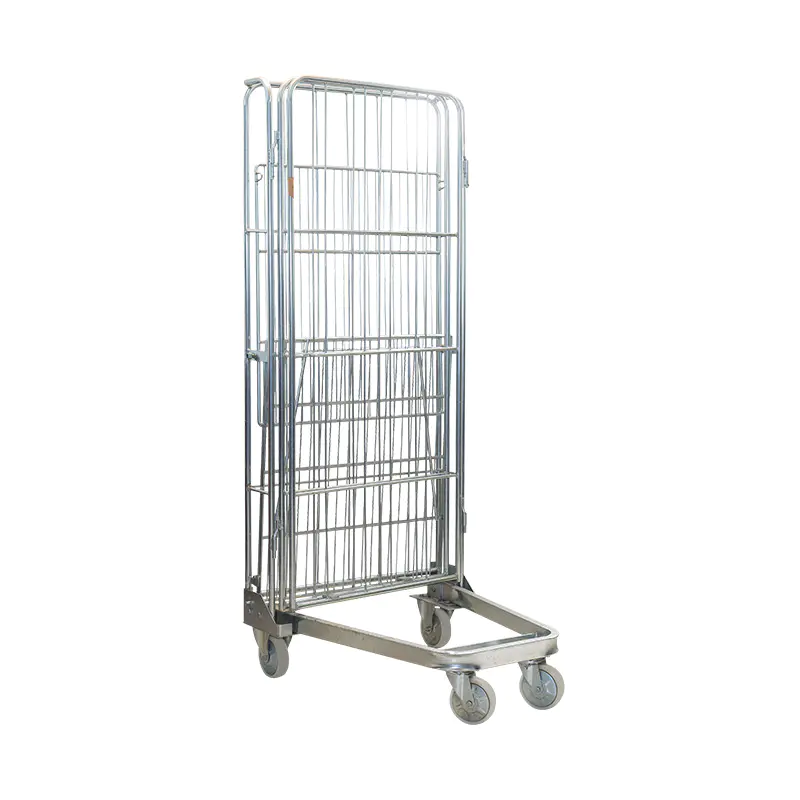
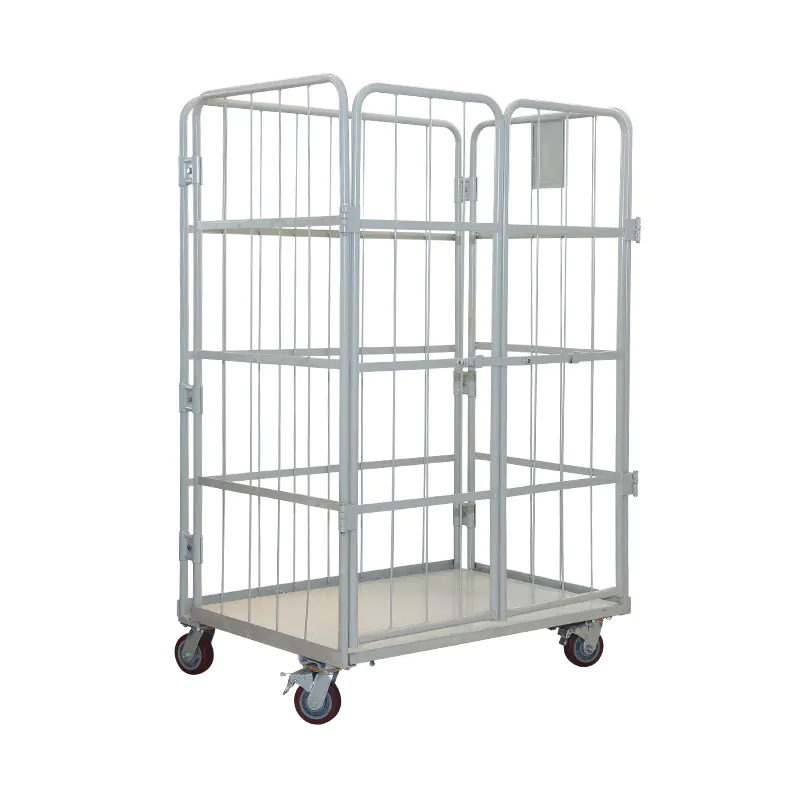
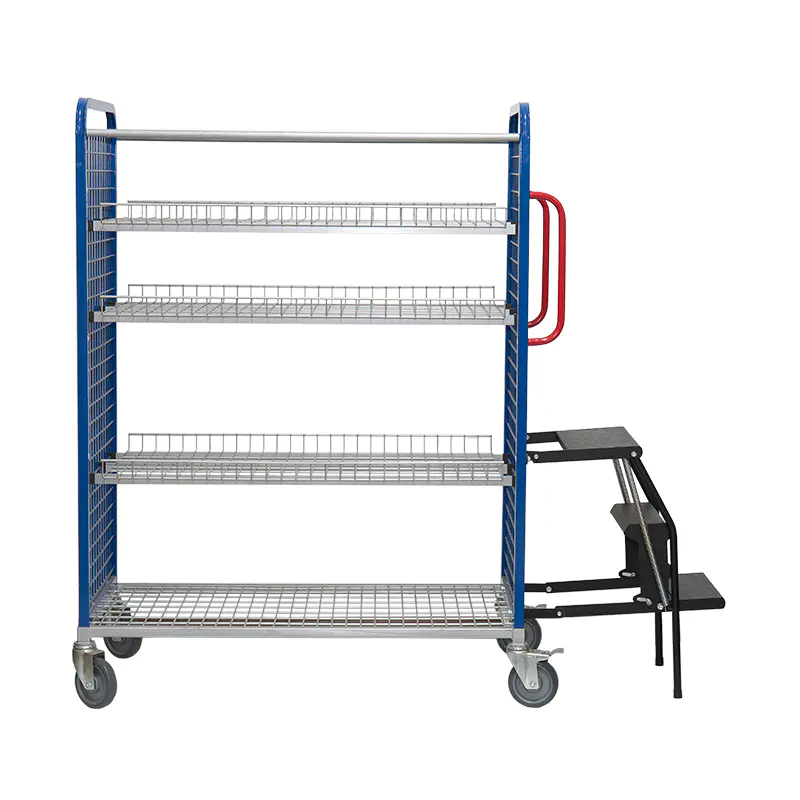
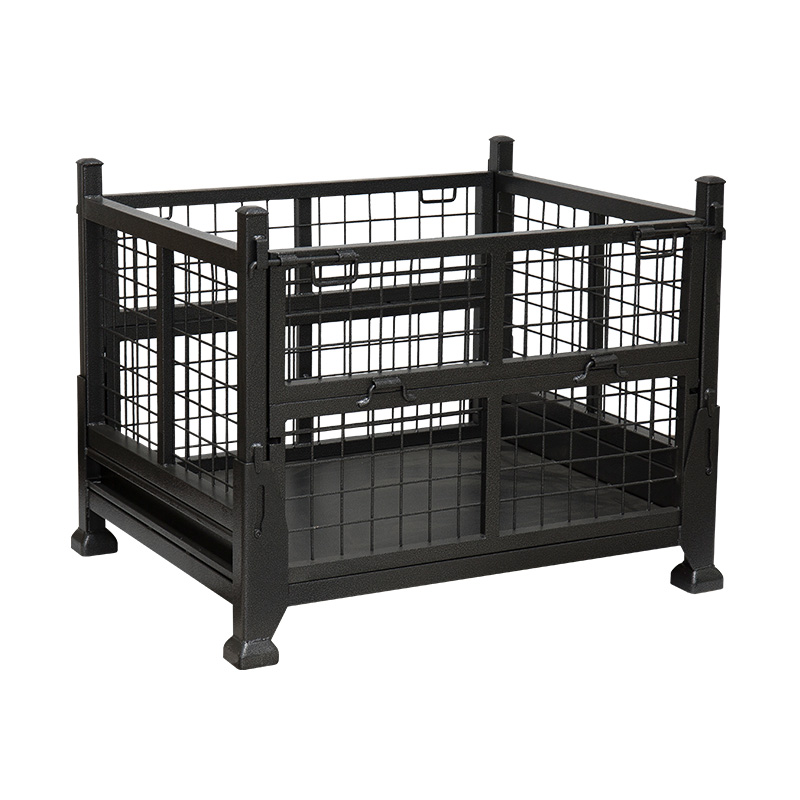
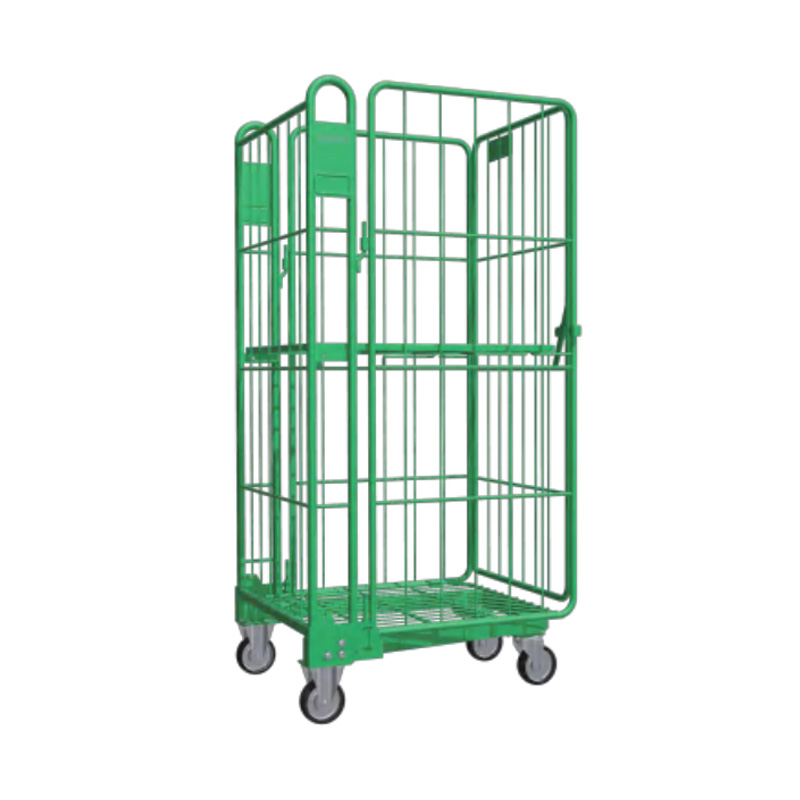
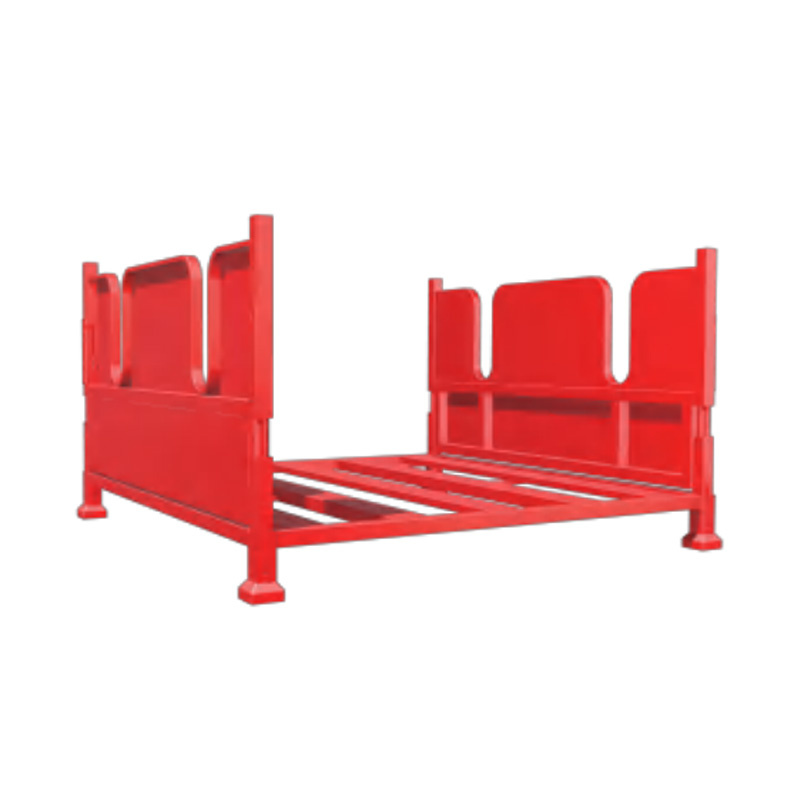
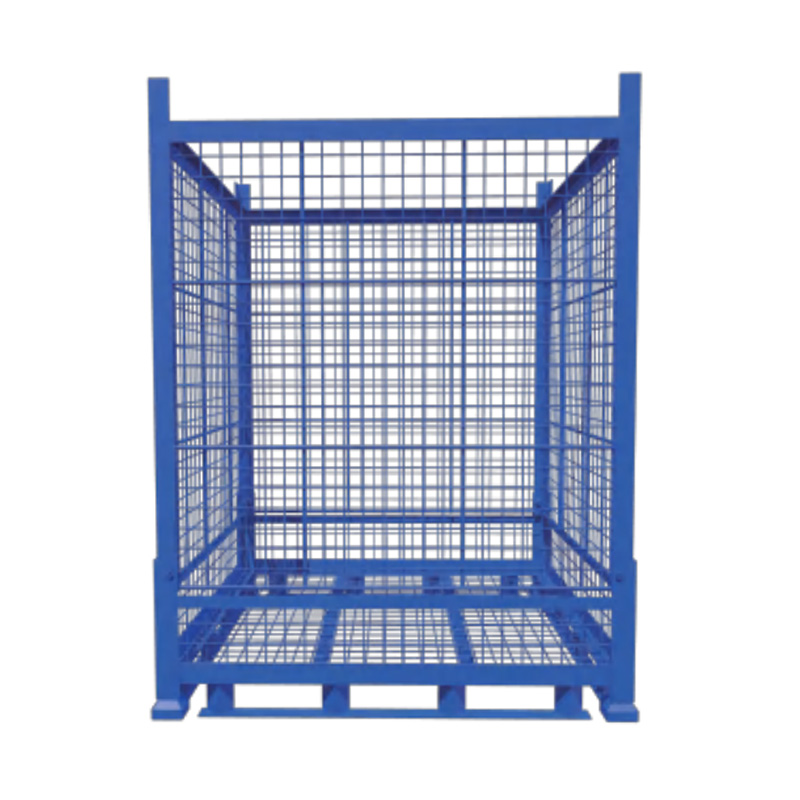
Galvanized nestable foldable roll container has become an essential component in modern logistics, warehousing, and material handling operations. These containers are widely used due to their durability, collapsibility, and ability to optimize storage and transportation efficiency. However, like any mechanical structure subject to repeated use and heavy loads, they can exhibit specific failure points that affect their safety, performance, and lifespan.
Structural failure points
Structural integrity is the foundation of galvanized nestable foldable roll container performance. These containers are generally constructed with a metal frame, galvanized steel mesh or panels, and reinforced joints. Over time, repeated handling and exposure to various loads can lead to structural weaknesses.
Frame deformation
The frame of a galvanized nestable foldable roll container is subject to bending, warping, or denting due to overloading or impact during transportation. Frame deformation is one of the most common failure points and directly compromises load stability. Factors that influence this include metal thickness, quality of welding, and the weight distribution of goods stored in the container.
Table 1 presents typical causes of frame deformation and their observable signs:
| Cause of deformation |
Observable sign |
Recommended monitoring practice |
| Overloading beyond rated capacity |
Bent or twisted corners |
Regularly inspect load weight and compare with rated capacity |
| Dropping or impact during handling |
Visible dents or frame misalignment |
Implement visual inspections after transport or handling |
| Long-term stacking |
Sagging base or uneven structure |
Monitor base panel and nesting alignment periodically |
Weld failure
Welding is critical to maintaining the structural stability of a galvanized nestable foldable roll container. Poor-quality welding or repeated stress at joint points can result in cracks or separations, which may lead to catastrophic failures under load. Inspectors should pay attention to welds at corners, crossbars, and hinges where folding mechanisms are attached.
Key indicators of weld failure include:
- Small cracks along welded joints
- Rust accumulation at previously welded points, which may indicate compromised galvanization
- Loosened joints or movement at previously rigid corners
Panel or mesh damage
The side panels or mesh of a galvanized nestable foldable roll container are designed to contain goods securely while allowing visibility and airflow. Damage to panels, such as bent mesh wires, holes, or detachment from the frame, can compromise cargo containment and lead to product damage.
Factors contributing to panel or mesh failure include:
- Repeated mechanical impact from forklifts or pallet jacks
- Sharp-edged or oversized cargo
- Corrosion at welded points due to environmental exposure
Regular inspection of panels and mesh is recommended, particularly for containers used in high-traffic areas or for transporting heavy, irregular items.
Operational failure points
Operational practices can significantly influence the durability of a galvanized nestable foldable roll container. Many failures are caused by misuse or insufficient attention to operational guidelines.
Wheel and caster malfunction
Wheels and casters are subjected to constant movement and bearing heavy loads. Failure points in this area include:
- Wheel separation from mounting brackets
- Locking mechanisms malfunctioning
- Excessive wear leading to uneven rolling or wobbling
Table 2 summarizes common wheel issues and suggested preventive measures:
| Issue |
Potential cause |
Preventive measure |
| Wheel detachment |
Loose bolts, poor welding |
Tighten bolts regularly; inspect weld quality |
| Lock failure |
Debris in locking mechanism |
Clean locks regularly; lubricate moving parts |
| Uneven wear |
Overloading, abrasive surfaces |
Rotate container use; avoid dragging across rough surfaces |
Folding mechanism fatigue
One of the key advantages of galvanized nestable foldable roll container is its foldable design, which allows compact storage when not in use. However, repeated folding and unfolding can lead to hinge fatigue, pin wear, or misalignment. Signs of folding mechanism failure include:
- Difficulty folding or unfolding
- Loose pins or misaligned panels
- Noise or grinding sounds during movement
Routine maintenance, including lubrication and inspection of pins, hinges, and locking catches, is critical to preventing operational failure.
Nesting misalignment
Proper nesting ensures that multiple galvanized nestable foldable roll container units occupy minimal space when empty. Misalignment during nesting can lead to collisions, scratches, and increased wear. Causes of nesting failure include:
- Warped frame or bent panels
- Debris or dirt accumulation on base rails
- Uneven floor surfaces during storage
Operational training for warehouse staff and periodic alignment checks can help maintain optimal nesting performance.
Environmental and material-related failure points
Environmental exposure and material degradation also contribute to failure in galvanized nestable foldable roll container. Galvanization provides corrosion resistance, but improper handling or extreme conditions can reduce its effectiveness.
Corrosion and rust formation
Although galvanized coating protects the metal structure, prolonged exposure to moisture, chemicals, or abrasive cleaning agents can lead to corrosion. This can weaken welds, panels, and frame components. Key monitoring strategies include:
- Regular visual inspections for rust or discoloration
- Prompt treatment of minor corrosion spots
- Avoidance of corrosive cleaning chemicals
Temperature and UV exposure
High temperature and direct sunlight over extended periods can impact plastic or rubber components such as wheels and hinge covers. Extreme cold may make metal more brittle, increasing the risk of fracture during impact.
Chemical exposure
Containers used in industrial or chemical environments may come into contact with substances that can degrade the galvanized layer or metal. Monitoring for chemical damage is crucial in such applications.
Maintenance strategies
To minimize the risk of failure in a galvanized nestable foldable roll container, a structured maintenance approach is necessary. This includes:
- Routine inspections: Weekly visual inspections for frame deformation, weld cracks, and panel damage.
- Cleaning and lubrication: Regular removal of debris from wheels, hinges, and folding mechanisms. Lubricate moving parts as recommended.
- Load management: Adhering to rated load limits and evenly distributing cargo weight.
- Environmental controls: Avoiding prolonged exposure to moisture, corrosive agents, or extreme temperatures.
- Repair and replacement: Immediate repair or replacement of damaged components to prevent cascading failures.
Summary of common failure points
Galvanized nestable foldable roll container failure points can be broadly categorized into structural, operational, and environmental factors. Structural issues involve frame deformation, weld failure, and panel or mesh damage. Operational failures are primarily linked to wheels, folding mechanisms, and nesting misalignment. Environmental factors include corrosion, temperature extremes, UV exposure, and chemical damage. Regular inspection, preventive maintenance, and proper operational handling are essential to ensure longevity and safe use of these containers.
FAQ
Q1: How often should a galvanized nestable foldable roll container be inspected for structural damage?
A1: Inspections should occur weekly under normal use conditions and immediately after any unusual impact or overloading incident.
Q2: Can minor rust on a galvanized nestable foldable roll container be ignored?
A2: No. Even minor rust can indicate compromised protection. Prompt treatment helps prevent more extensive corrosion.
Q3: What is the recommended load limit monitoring practice?
A3: Always adhere to manufacturer-specified load limits and evenly distribute weight across the container floor and walls.
Q4: How can wheel and caster issues be detected early?
A4: Regularly check for wobbling, noise during rolling, and ensure locking mechanisms operate smoothly.
Q5: Are foldable mechanisms prone to failure more than other parts?
A5: Yes. Folding hinges and pins experience repeated stress and require regular lubrication and inspection.
References
- Smith, J. (2021). Industrial Storage and Material Handling Equipment: Best Practices. Logistics Press.
- Thompson, R. (2020). Warehouse Safety and Equipment Maintenance Guide. Supply Chain Publications.
- Wilson, A. (2019). Metal Corrosion and Maintenance for Industrial Containers. Industrial Engineering Review.



 Español
 русский
 عربى
عربى