The sfnc mobile container is an increasingly popular solution for flexible storage and transportation needs in a variety of industries, including warehousing, logistics, retail, and manufacturing. One of the key considerations for buyers is the ease with which these containers can be assembled and disassembled.
Understanding the sfnc mobile container
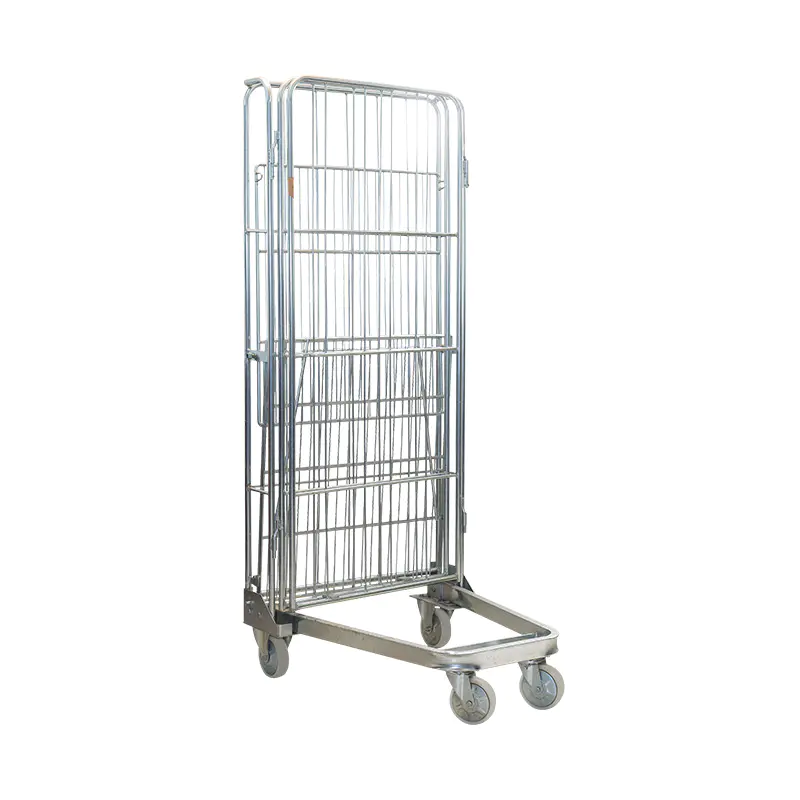
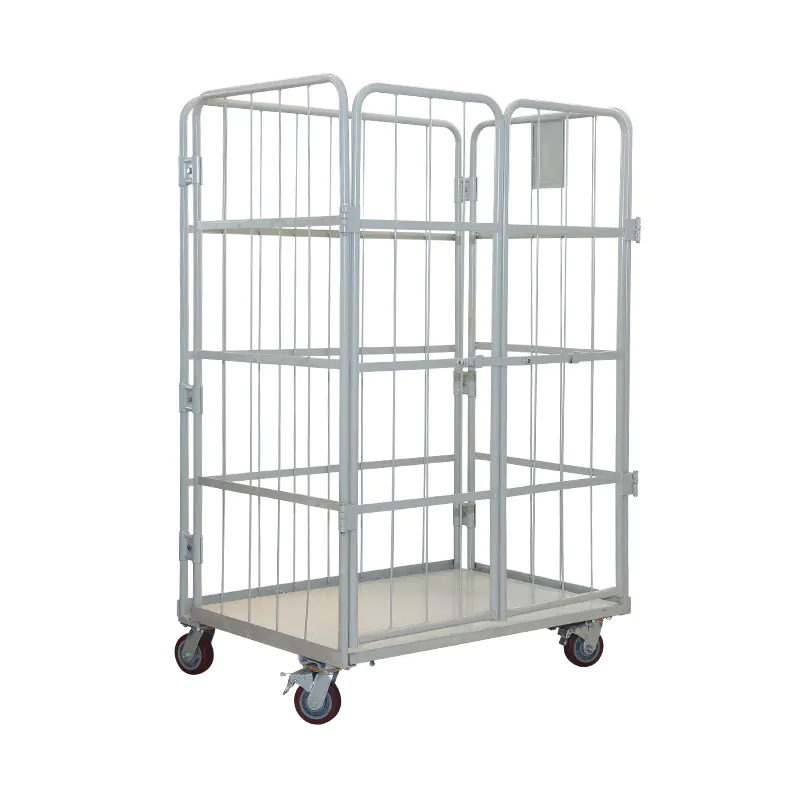
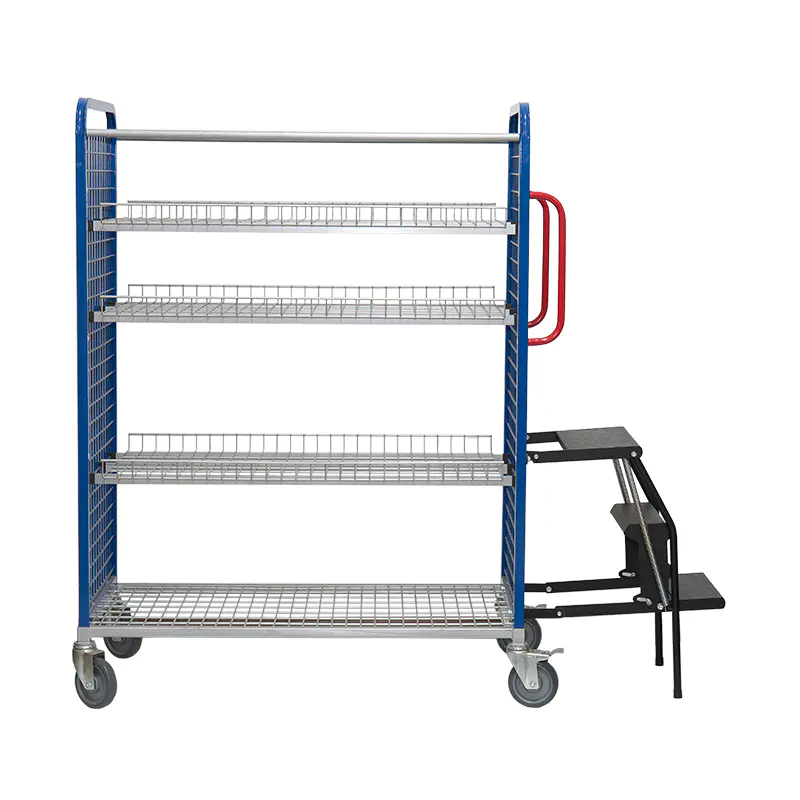
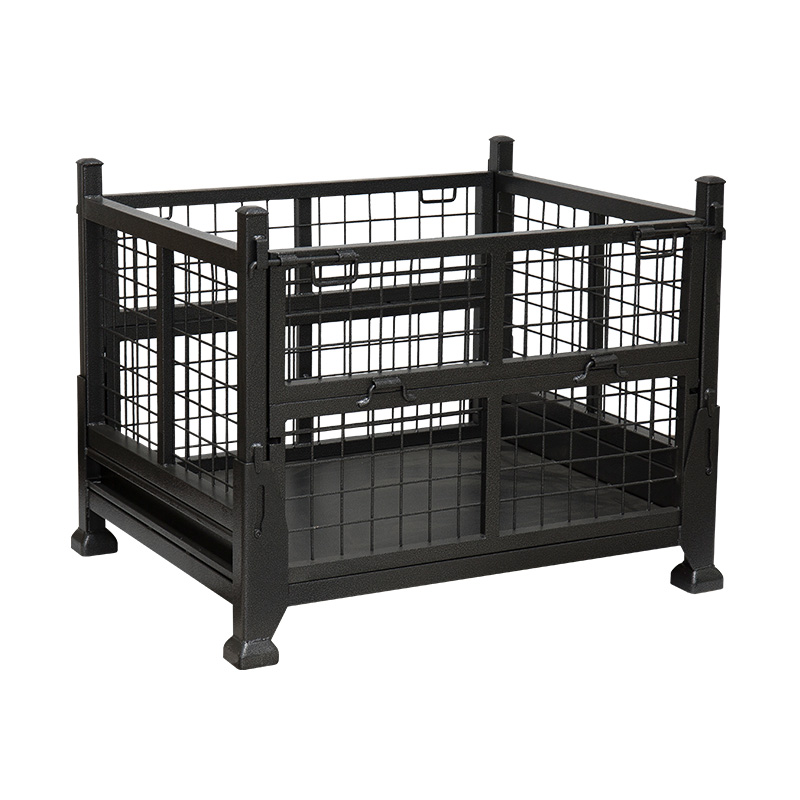
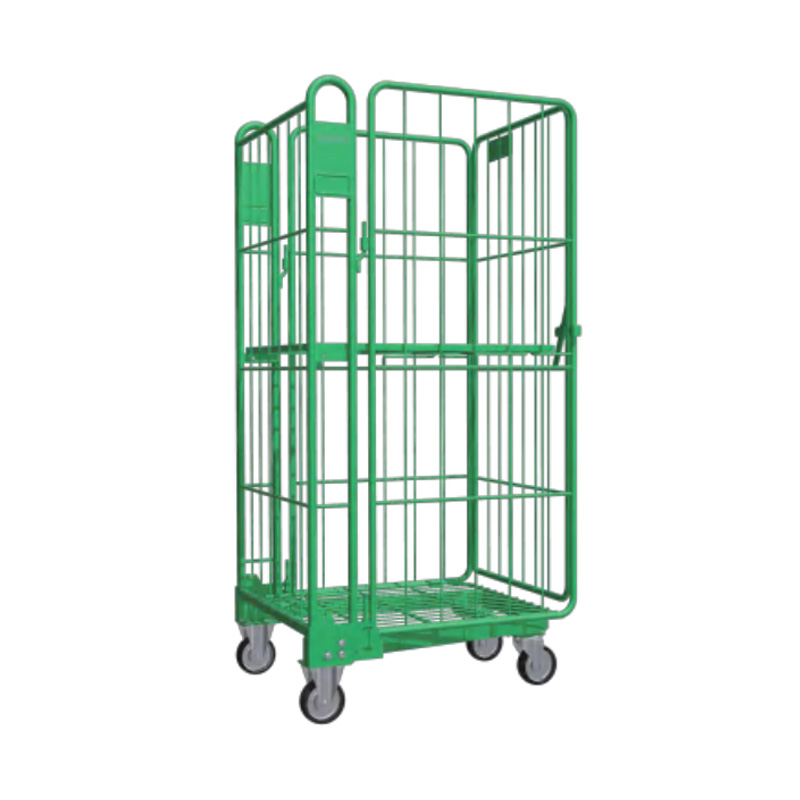
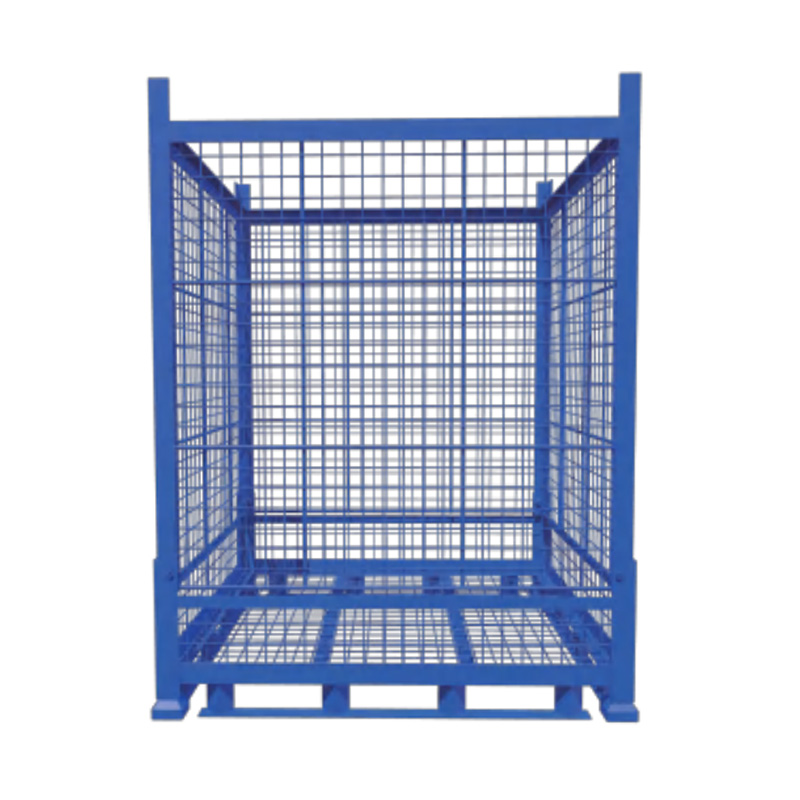
An sfnc mobile container is a modular storage unit designed for mobility and versatility. Its core features include durable construction, foldable components, and integrated mobility systems such as wheels or casters. These containers are designed to store, transport, and organize goods efficiently, particularly in environments where space optimization is essential.
The container’s design focuses on ease of handling, which directly impacts how simple it is to assemble or disassemble the unit. The modular nature of the sfnc mobile container allows it to be adjusted to different storage requirements, while also facilitating convenient transportation between locations.
Key structural features
Several structural elements make the sfnc mobile container straightforward to handle:
- Foldable side panels: These panels collapse inward, reducing the container’s footprint for storage when not in use.
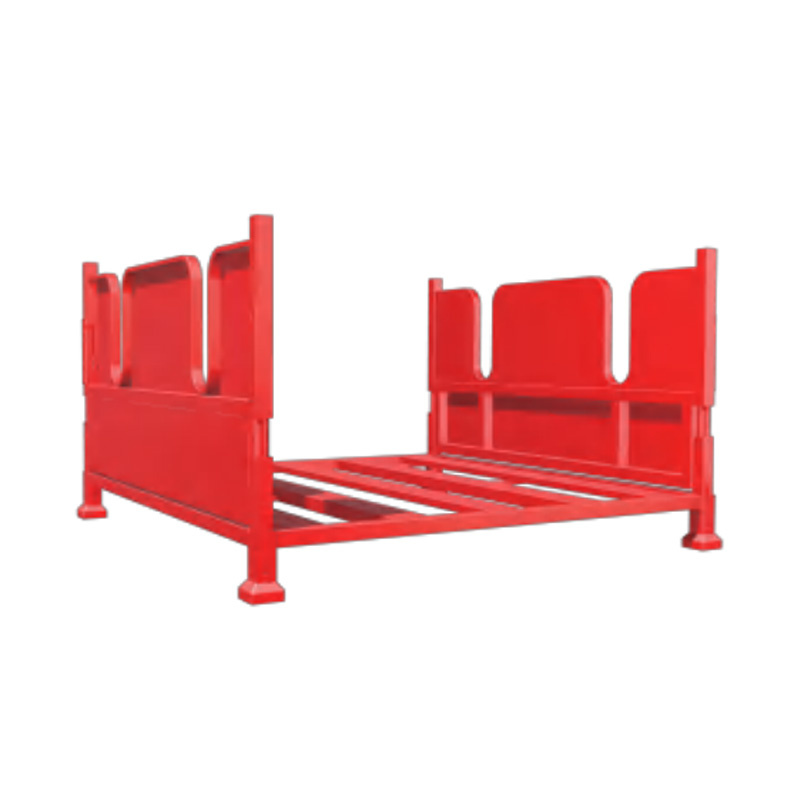
- Detachable base platforms: Some models include a base that can be removed or repositioned, allowing for flexibility in stacking and storage.
- Standardized connectors: These allow parts to snap or lock into place without specialized tools, simplifying the assembly process.
- Mobility systems: Integrated wheels or casters enable users to move the container without disassembling it entirely.
These features collectively contribute to the practical advantages of the sfnc mobile container in industrial and commercial settings.
Assembly process of an sfnc mobile container
The process of assembling an sfnc mobile container is generally designed to be intuitive and efficient. A typical assembly procedure includes the following steps:
- Unfolding the frame: The main structure is usually delivered in a compact, folded state. Users first expand the frame into its upright configuration.
- Securing the base: If the container has a detachable base, it is attached using pre-engineered connectors or locking mechanisms.
- Attaching side panels: Foldable or detachable side panels are raised into place and locked securely.
- Installing mobility components: Wheels or casters, if separate, are attached at the base to ensure smooth movement.
- Final adjustments: All connections are checked for stability, and any locking mechanisms are tightened.
This procedure can typically be completed without specialized tools, making it suitable for both small and large-scale operations. Most users report that the assembly time is reasonable even for larger containers, which is an important consideration for businesses managing frequent container use.
Tools and skills required
One of the advantages of the sfnc mobile container is its user-friendly assembly design. Most models require minimal technical expertise. Standard tools such as a wrench or screwdriver may be necessary, but many units use tool-free snap-fit or clip mechanisms, which reduces both setup time and labor costs.
From a skills perspective, basic familiarity with container handling and awareness of safety procedures are sufficient. Industries that frequently use these containers often train employees in efficient assembly techniques, ensuring smooth workflow integration.
Disassembly process of an sfnc mobile container
Disassembly is as important as assembly because it allows containers to be stored compactly or transported efficiently. The sfnc mobile container is designed to be collapsed or broken down quickly while maintaining safety and durability.
Step-by-step disassembly
- Release locking mechanisms: Side panels and base platforms are unlocked using built-in clips or latches.
- Fold panels inward: Foldable sides collapse to reduce the container’s volume.
- Detach the base and wheels: If the base or mobility components are detachable, they can be removed for easier storage or transport.
- Stack or store: Once collapsed, multiple containers can be stacked or nested together to optimize warehouse space.
The disassembly process is streamlined to ensure that it can be performed by a single operator, though larger units may require two people for safe handling.
Safety considerations during disassembly
It is essential to follow proper safety protocols while disassembling an sfnc mobile container:
- Check for load weight: Containers should be emptied before disassembly to prevent injury or damage.
- Secure panels carefully: Side panels and foldable components must be handled cautiously to avoid pinching or impact hazards.
- Use protective equipment: Gloves and safety shoes are recommended, particularly in industrial environments.
These measures help maintain workplace safety while allowing efficient container management.
Advantages of easy assembly and disassembly
The ease of assembling and disassembling an sfnc mobile container offers multiple operational benefits:
- Labor efficiency: Reduces time and effort needed to set up and store containers.
- Cost savings: Minimizes labor costs and reduces the need for specialized equipment.
- Space optimization: Foldable and modular designs allow compact storage when containers are not in use.
- Flexibility: Facilitates quick reconfiguration of storage layouts in dynamic warehouse environments.
- Transport efficiency: Collapsed containers occupy less space during shipping, lowering transportation costs.
These advantages make the sfnc mobile container a practical choice across industries that require high operational efficiency.
Industry applications and buyer considerations
Different industries benefit from the ease of assembly and disassembly of sfnc mobile containers.
Warehousing and logistics
In warehouses and distribution centers, sfnc mobile containers allow for rapid deployment and reconfiguration of storage layouts. Buyers prioritize containers that:
- Can be assembled quickly to meet changing inventory demands.
- Offer mobility for easy relocation within warehouse aisles.
- Can be collapsed for off-peak storage without taking up excessive space.
Retail and supply chain management
Retailers use sfnc mobile containers for efficient stock handling and temporary storage during high-demand periods. Key considerations include:
- Quick setup for seasonal stock or promotions.
- Safe and stable design for high-traffic areas.
- Lightweight components for ease of handling by store staff.
Manufacturing and industrial use
Manufacturing facilities use these containers to transport parts and components between production lines. Assembly and disassembly efficiency is critical to maintain workflow without causing delays. Buyers often look for containers with:
- Durable materials that withstand repeated assembly cycles.
- Modular components to accommodate different product sizes.
- Compatibility with forklifts or conveyor systems for seamless integration.
Maintenance and longevity
The ease of assembly and disassembly also contributes to the maintenance and longevity of the sfnc mobile container. Properly handled containers experience less wear and tear, particularly on hinges, connectors, and wheels. Regular inspection of moving parts and periodic lubrication of hinges ensures smooth operation over extended periods.
Table 1 highlights common maintenance tips:
| Component |
Maintenance Recommendation |
Frequency |
| Side panels |
Check for bends or damage |
Monthly |
| Locking mechanisms |
Inspect and lubricate clips or latches |
Monthly |
| Wheels or casters |
Clean and lubricate bearings |
Bi-monthly |
| Base platform |
Ensure structural integrity and secure attachment |
Quarterly |
These simple measures extend the service life of sfnc mobile containers, making them a reliable investment for any organization.
Conclusion
The sfnc mobile container is engineered for ease of assembly and disassembly, offering significant benefits in labor efficiency, cost savings, and operational flexibility. Its modular, foldable design allows rapid setup and compact storage, while built-in safety features ensure secure handling. Buyers in warehousing, logistics, retail, and manufacturing industries can confidently integrate these containers into their operations, optimizing storage and transportation workflows.
By understanding the practical steps and considerations associated with assembling and disassembling an sfnc mobile container, organizations can make informed purchasing decisions that maximize efficiency and workplace safety. The design features, combined with proper handling and maintenance, ensure that these containers remain a durable and flexible solution for modern storage and material handling needs.



 Español
 русский
 عربى
عربى