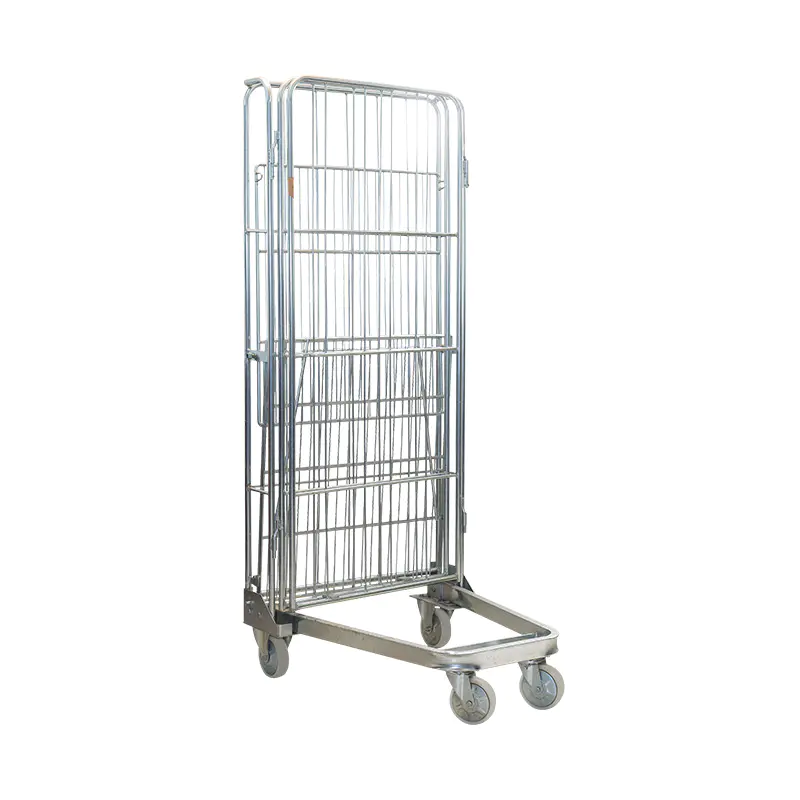
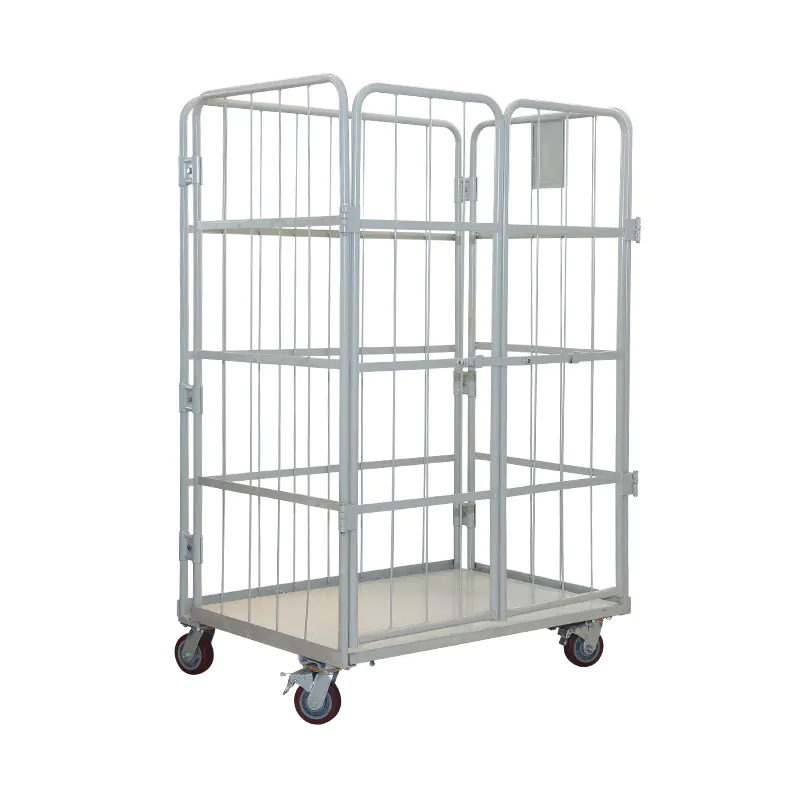
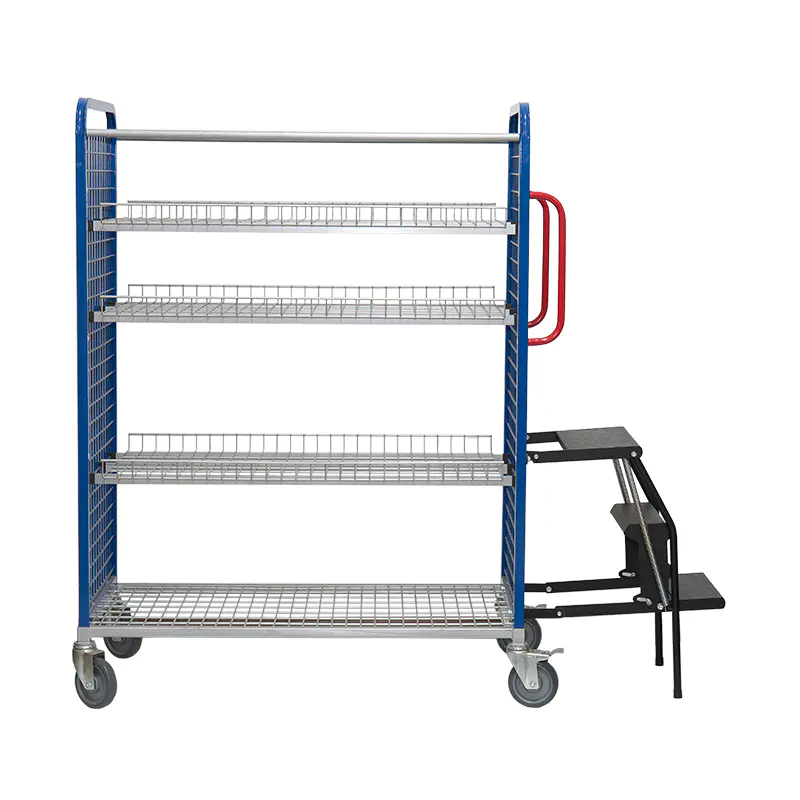
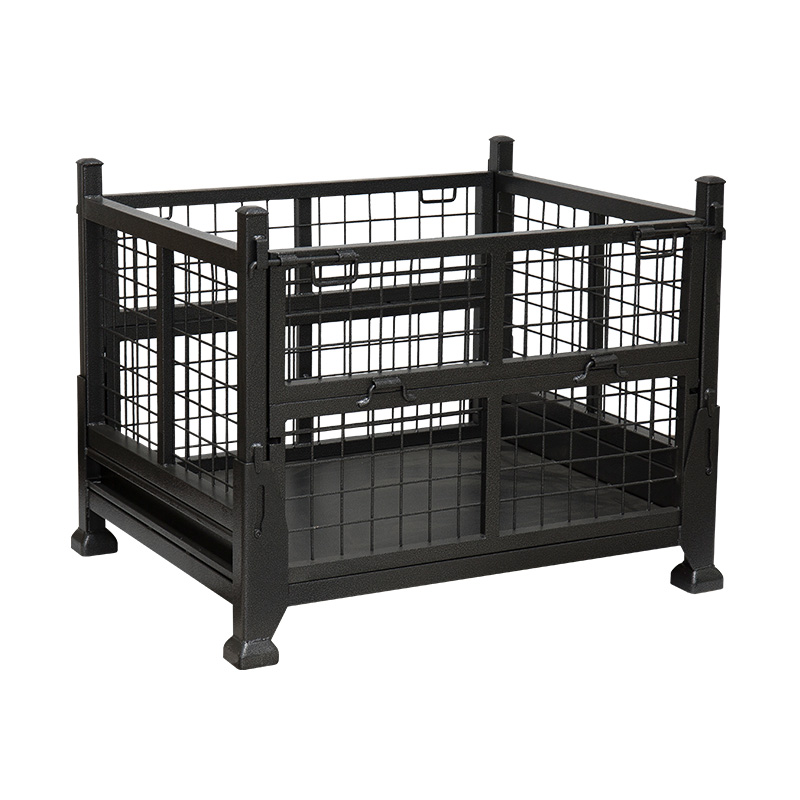
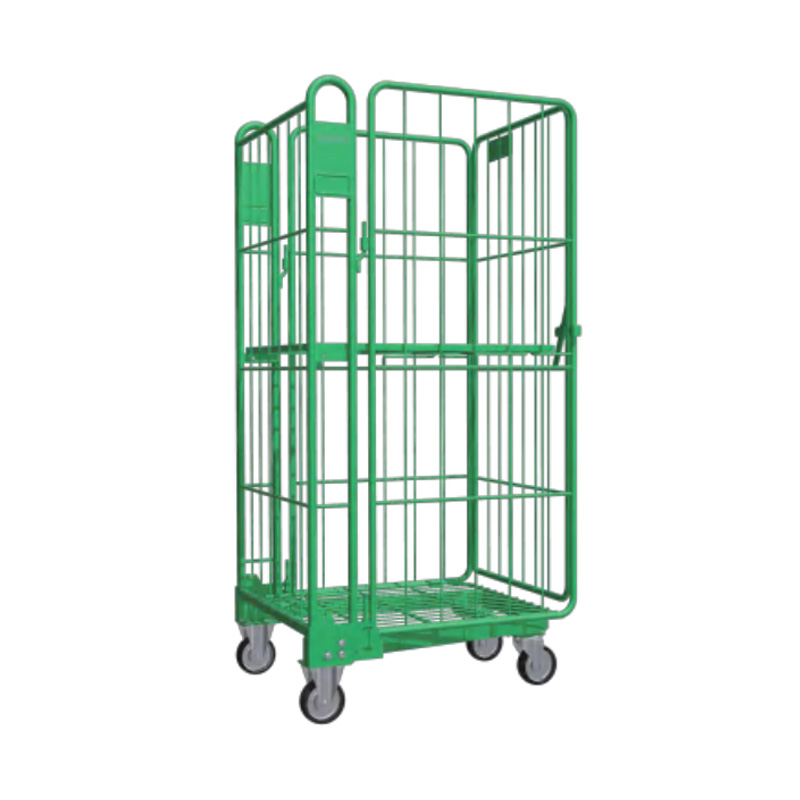
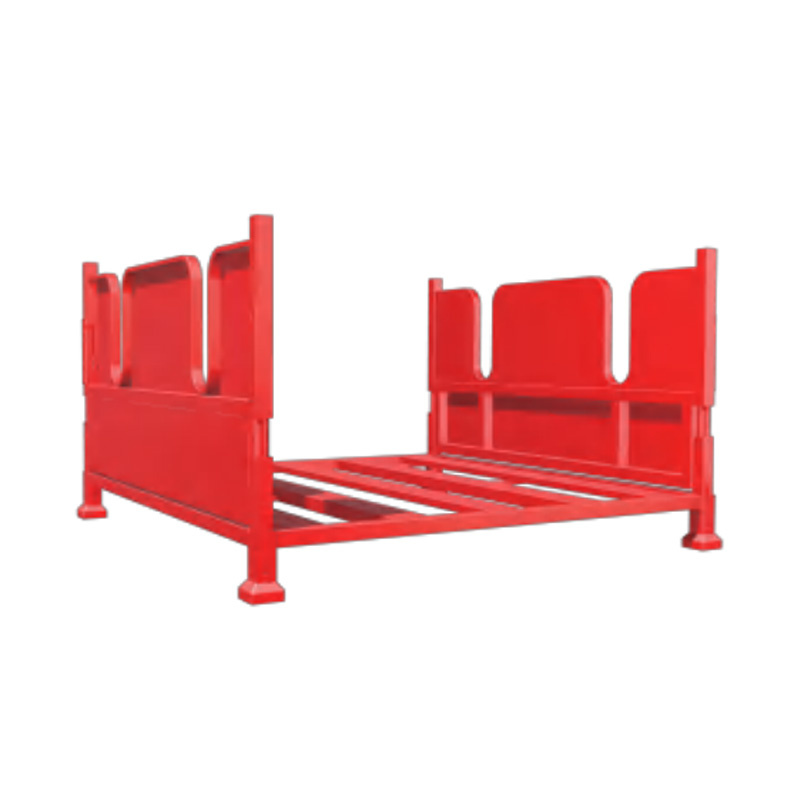
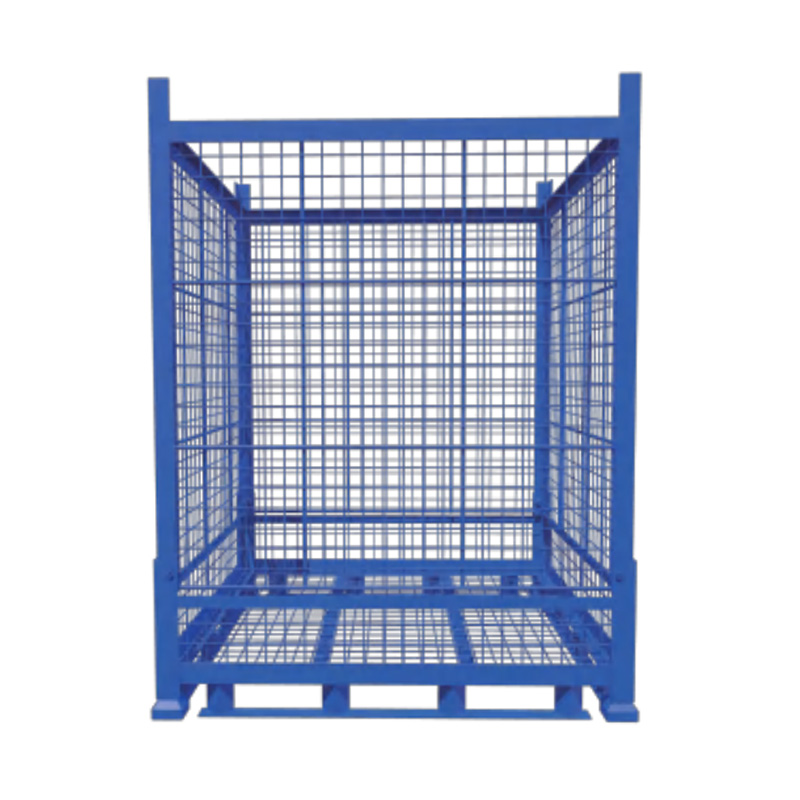
The foldable and collapsible pallet cage has become an essential tool for modern warehousing, logistics, and manufacturing industries. Its flexibility, space-saving design, and ease of use make it a practical solution for material handling. However, as these pallet cages are used to store and transport goods, safety is a critical concern.
Overview of foldable and collapsible pallet cages
A foldable and collapsible pallet cage is a type of industrial storage unit designed to combine the advantages of a standard pallet with a collapsible metal framework. These cages are constructed to support significant loads while remaining lightweight and easy to maneuver. The foldable design allows the cage to collapse when empty, optimizing warehouse space and reducing transportation costs. The collapsible feature is particularly valuable for businesses that require flexibility in inventory management, temporary storage, or frequent transportation of goods.
The widespread adoption of foldable and collapsible pallet cages across sectors such as retail, automotive, pharmaceuticals, and e-commerce highlights their importance. With the growing emphasis on workplace safety and compliance with industry regulations, the integration of safety features in these cages is essential.
Material selection and structural safety
The safety of a foldable and collapsible pallet cage begins with material selection. Most pallet cages are constructed from high-quality steel or other durable metals that provide the necessary strength to handle heavy loads. Steel wire mesh panels are commonly used for the sides, offering visibility of the contents while maintaining structural integrity.
Structural design considerations include:
- Load-bearing capacity: The base of the cage is reinforced to support the maximum weight without deformation.
- Stability: Cross-bracing and reinforced corners enhance the cage’s resistance to tipping or collapsing under uneven loads.
- Durability: Corrosion-resistant coatings, such as galvanization, ensure that the metal frame retains its strength over time, especially in humid or outdoor environments.
By prioritizing robust materials and structural stability, manufacturers enhance both the operational safety and longevity of foldable and collapsible pallet cages.
Locking mechanisms and foldable design safety
A key feature of a foldable and collapsible pallet cage is its ability to collapse when not in use. However, improper folding or accidental collapse can pose significant risks. Therefore, locking mechanisms are essential safety components.
These mechanisms typically include:
- Interlocking side panels: Panels automatically lock into position when the cage is set up, preventing accidental folding during use.
- Secure base locks: The base of the cage locks to prevent unintended movement of the structure.
- Release safety features: Some designs include two-step release systems that require intentional action to fold the cage, minimizing accidental operation by personnel.
By integrating robust locking mechanisms, a foldable and collapsible pallet cage can maintain stability under heavy loads while still offering the convenience of collapsibility.
Mobility and caster safety
Many foldable and collapsible pallet cages are equipped with wheels or casters to facilitate movement within warehouses or production facilities. While mobility enhances efficiency, it also introduces safety concerns. Safe caster design addresses these concerns through:
- Braking systems: Lockable casters prevent the cage from moving unintentionally, particularly on inclined surfaces.
- Load-rated wheels: Casters are rated to support the full weight of the loaded cage without risk of failure.
- Durable materials: Wheels are often made from reinforced rubber or polyurethane, reducing wear and providing smooth movement over various flooring surfaces.
Proper caster selection and maintenance are crucial to ensuring that the foldable and collapsible pallet cage remains safe during handling and transport.
Ergonomic design considerations
Safety is not only about preventing structural failure; it also involves reducing risks to personnel. A well-designed foldable and collapsible pallet cage incorporates ergonomic principles to minimize strain and injury.
Ergonomic features may include:
- Optimal height and access points: Cage dimensions are designed to allow workers to load and unload goods without excessive bending or stretching.
- Smooth edges and rounded corners: Reduces the risk of cuts or abrasions during handling.
- Integrated handles: Designed for comfortable grip when moving or folding the cage manually.
By prioritizing ergonomics, manufacturers ensure that foldable and collapsible pallet cages are safe for daily use by warehouse personnel.
Compliance with safety standards
To further enhance safety, foldable and collapsible pallet cages are designed to comply with industry safety standards. These standards may include:
| Standard Type |
Safety Considerations |
| ISO regulations |
Ensure quality and load-bearing capabilities |
| OSHA guidelines |
Address workplace safety in material handling |
| EN 15512 |
Specifies structural design for storage units and racks |
Compliance ensures that foldable and collapsible pallet cages meet minimum safety requirements, reducing the risk of workplace accidents and liability for manufacturers or operators.
Maintenance and inspection for continued safety
Even the safest foldable and collapsible pallet cage requires regular maintenance to preserve its safety features. Best practices include:
- Routine inspection of welds, panels, and locking mechanisms for signs of wear or damage.
- Checking casters for smooth operation and proper load rating.
- Ensuring corrosion-resistant coatings remain intact and addressing any rust spots promptly.
- Verifying that foldable mechanisms and safety locks operate correctly.
A proactive maintenance approach extends the lifespan of the cage and maintains its safety integrity.
Industry-specific safety considerations
Different industries may have unique requirements for foldable and collapsible pallet cages. For instance:
- Food and beverage: Stainless steel cages or coatings that resist corrosion and are easy to clean.
- Pharmaceuticals: Cages designed to prevent contamination and facilitate secure storage.
- Automotive: Heavy-duty cages capable of handling irregularly shaped, high-weight components safely.
Understanding industry-specific safety needs ensures that the pallet cage design supports both regulatory compliance and operational safety.
Conclusion
The foldable and collapsible pallet cage is a versatile, space-efficient, and practical solution for modern warehouses and industrial facilities. However, the integration of safety features is critical to its effectiveness. By focusing on robust materials, locking mechanisms, caster safety, ergonomic design, compliance with safety standards, and regular maintenance, businesses can ensure that their pallet cages operate safely and efficiently.
For companies seeking to optimize storage, reduce handling risks, and comply with industry regulations, choosing a foldable and collapsible pallet cage with comprehensive safety features is essential. These cages not only enhance operational efficiency but also protect both personnel and goods, reinforcing their value as a reliable storage solution.



 Español
 русский
 عربى
عربى