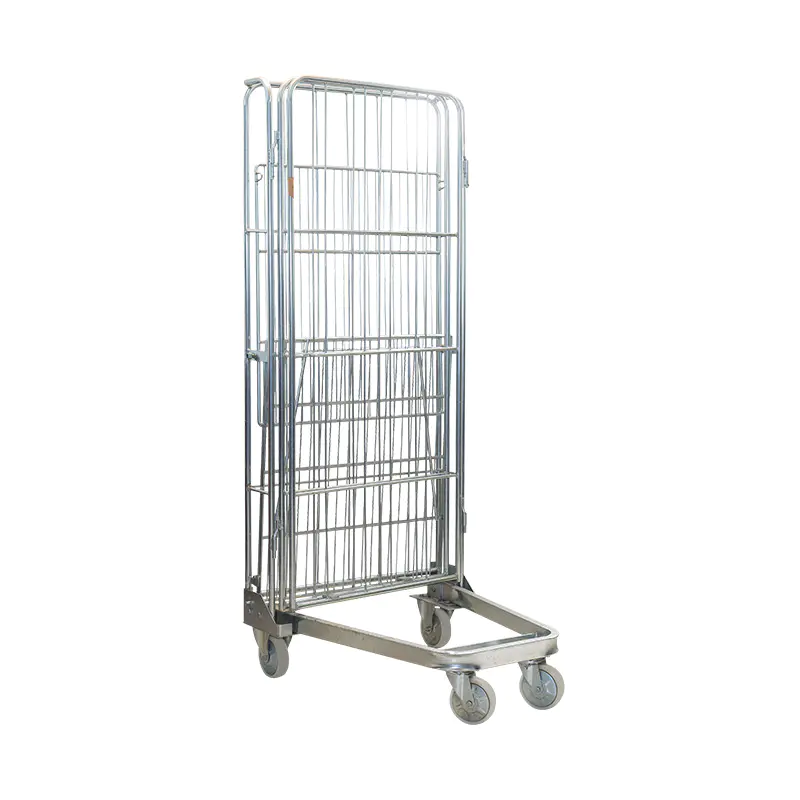
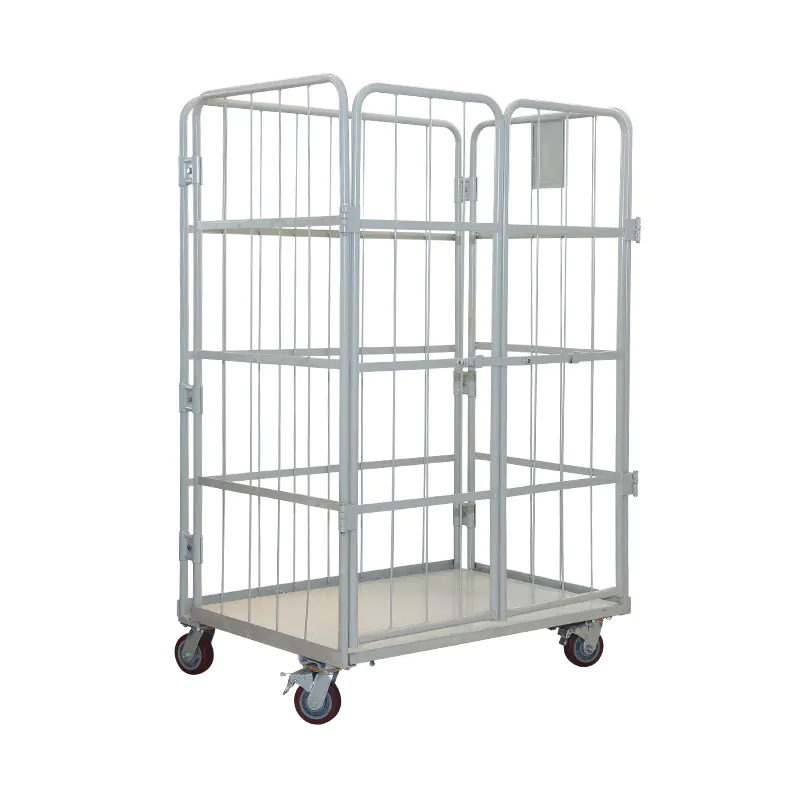
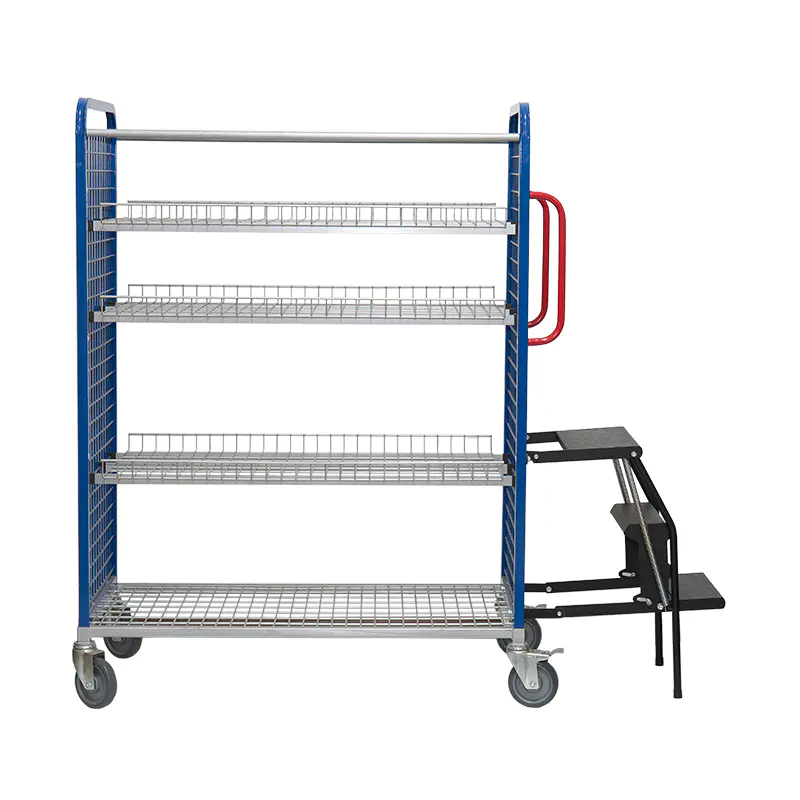
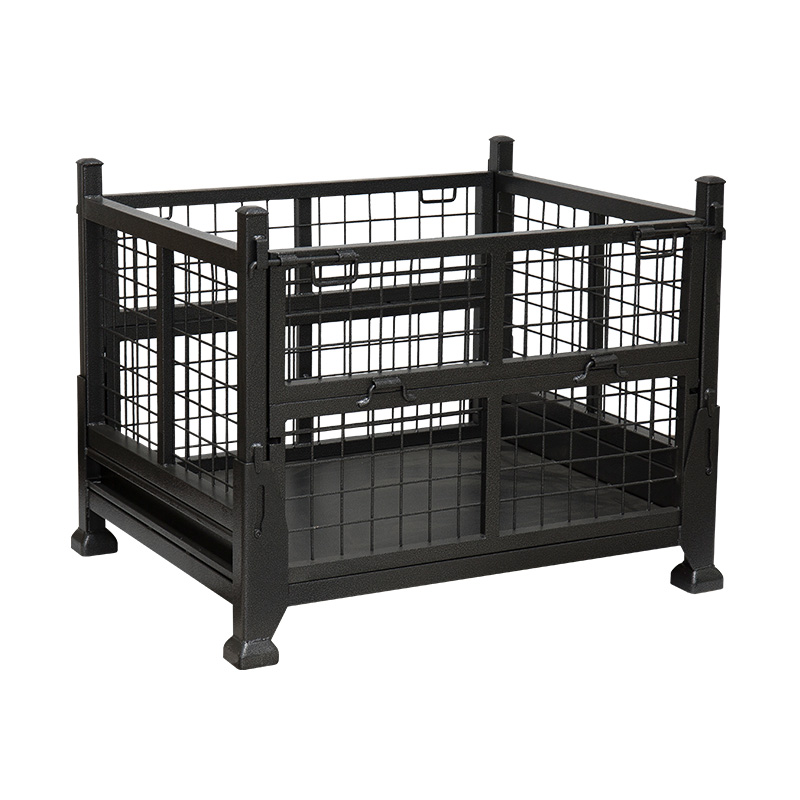
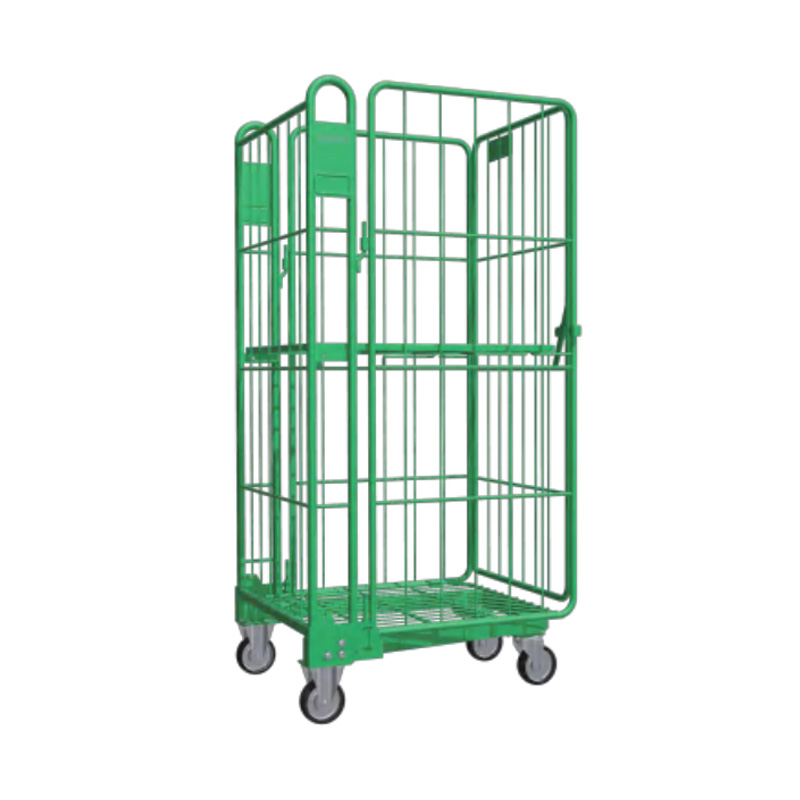
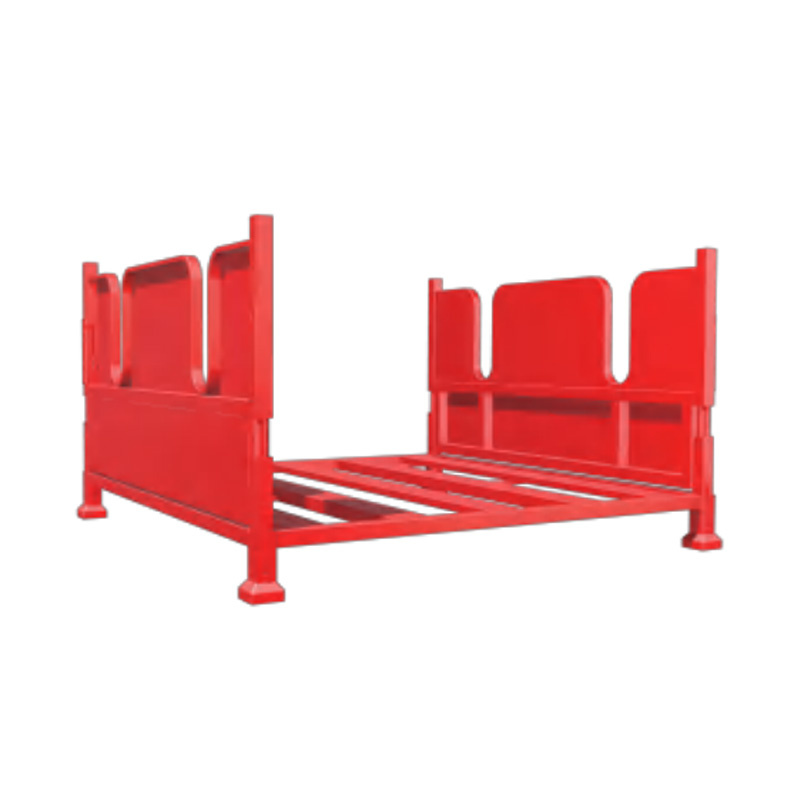
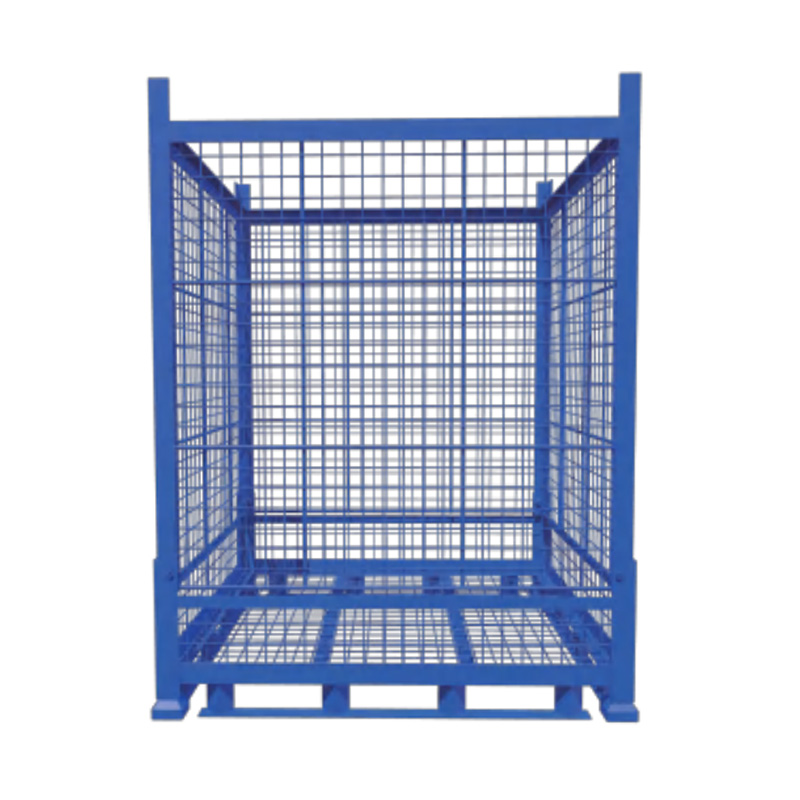
A heavy duty warehouse storage stacking folding rack is a versatile solution designed to optimize storage space while maintaining safety and efficiency in industrial and commercial environments. These racks allow multiple units to be stacked, folded, and stored efficiently when not in use, which can significantly improve warehouse organization. Ensuring stability when stacked is critical to prevent accidents, safeguard inventory, and support operational workflow.
The importance of stability in stacked racks
The stability of a heavy duty warehouse storage stacking folding rack is essential for several reasons. First, safety is paramount; unstable stacking can lead to tipping or collapsing, posing risks to warehouse personnel and goods. Second, efficiency in warehouse operations depends on reliable storage solutions that allow safe stacking and easy access to inventory. Third, the ability to maximize vertical space without compromising stability is critical for warehouses seeking to reduce floor space usage. In essence, stability directly influences the rack’s performance, durability, and overall value in a storage system.
Structural design principles
Load-bearing frame construction
A heavy duty warehouse storage stacking folding rack relies on a robust frame to maintain stability. Typically, the frame is made from high-strength steel or reinforced metal, designed to support substantial weight. The load-bearing frame ensures that the rack can sustain both static and dynamic loads without deforming or compromising structural integrity. Welded joints and reinforced corner supports further enhance the rack’s rigidity, preventing wobbling when units are stacked vertically.
Cross-bracing and support mechanisms
Cross-bracing is a key feature in stacked folding racks. Diagonal or horizontal braces distribute weight evenly across the frame, reducing stress on any single point. This structural reinforcement minimizes lateral movement, which is crucial when multiple racks are stacked. Additionally, some racks incorporate locking pins or interlocking systems between stacked units, providing additional stability and preventing slippage during handling or movement.
Base design and footprint
The base of a heavy duty warehouse storage stacking folding rack plays a vital role in stability. Wide, reinforced bases increase surface contact with the floor, distributing weight evenly and reducing the risk of tipping. Some designs feature adjustable feet to compensate for uneven flooring in industrial warehouses, ensuring that each stacked rack maintains balance even under load. A stable base, combined with precise alignment guides, ensures that stacked racks remain secure.
Material quality and surface treatment
High-strength steel construction
Using high-strength steel or reinforced alloy is a standard approach to enhance the stability of heavy duty warehouse storage stacking folding racks. Steel frames resist bending and warping, particularly under heavy loads. Consistency in material thickness and quality across all units ensures uniform stacking, preventing weak points that could compromise stability.
Surface coatings and anti-slip treatments
Surface treatments such as powder coating or galvanization not only protect the rack from corrosion but also contribute indirectly to stability by maintaining the integrity of the metal over time. In addition, anti-slip coatings on the base or contact points between stacked racks reduce the likelihood of sliding, particularly in environments where vibrations from forklifts or pallet jacks are common.
Folding and interlocking mechanisms
Precision-engineered folding joints
Folding mechanisms in these racks must be engineered for precision. Tight, secure hinges allow the rack to fold without compromising structural strength. Poorly designed folding joints can loosen over time, creating instability when racks are stacked. Manufacturers often reinforce hinge points with additional metal plates or rivets to maintain long-term stability.
Interlocking features
Most heavy duty warehouse storage stacking folding racks incorporate interlocking mechanisms that lock stacked units together. These features may include vertical pins, latches, or hooks that align precisely between stacked racks, ensuring that weight is transferred safely from one unit to the next. This design prevents lateral movement and reduces the risk of tipping, especially when racks are moved with forklifts or pallet jacks.
Practical guidelines for safe stacking
Weight distribution
Proper weight distribution is essential when stacking racks. Heavier items should be placed on the lower levels, with lighter loads on top. Uneven weight distribution can cause racks to lean or collapse, undermining the structural stability designed into the frame.
Maximum stacking limits
Each heavy duty warehouse storage stacking folding rack comes with manufacturer-specified stacking limits. Exceeding these limits can compromise stability, even if the frame and base are structurally sound. Adhering to recommended stacking heights and load capacities is critical to maintaining safe operations.
Environmental considerations
Warehouse conditions, such as floor evenness, humidity, and vibration, affect stability. For instance, racks placed on uneven concrete may need adjustable feet or shims to remain level. Similarly, environments with frequent forklift activity require racks with reinforced contact points and interlocking mechanisms to prevent accidental shifting.
Applications in various industries
Logistics and distribution centers
In logistics facilities, heavy duty warehouse storage stacking folding racks are used to optimize floor space and improve material handling efficiency. Stability is especially critical in these environments, where racks are frequently stacked and unstacked during operations.
Manufacturing facilities
Manufacturing warehouses often store bulky components on folding racks. Stable stacking prevents damage to parts and ensures worker safety when accessing items on higher levels. The robust frame and interlocking design are essential in these high-demand settings.
Retail and e-commerce warehouses
Retail and e-commerce operations benefit from stackable racks for seasonal inventory management. Maintaining stability when stacked ensures that racks can be safely moved or rearranged without risking product damage.
Maintenance and inspection practices
Regular inspection and maintenance help ensure continued stability of a heavy duty warehouse storage stacking folding rack. Key practices include:
- Checking hinges and folding joints for signs of wear or loosening
- Inspecting welds and frame connections for cracks or corrosion
- Ensuring interlocking pins and latches function properly
- Verifying base contact with the floor remains level, especially in high-traffic areas
Routine maintenance extends the service life of the rack and reduces safety risks associated with stacking.
Conclusion
A heavy duty warehouse storage stacking folding rack achieves stability through a combination of robust frame construction, precise folding and interlocking mechanisms, quality materials, and proper stacking practices. Understanding these factors is essential for warehouse managers, logistics operators, and industrial buyers seeking safe and efficient storage solutions. By adhering to recommended weight limits, ensuring proper maintenance, and selecting racks with reinforced structural features, businesses can optimize warehouse space without compromising safety or reliability.
Tables and diagrams can be useful for comparing stacking limits, load capacities, and design features across different rack configurations, providing a clear visual reference for warehouse planning.



 Español
 русский
 عربى
عربى