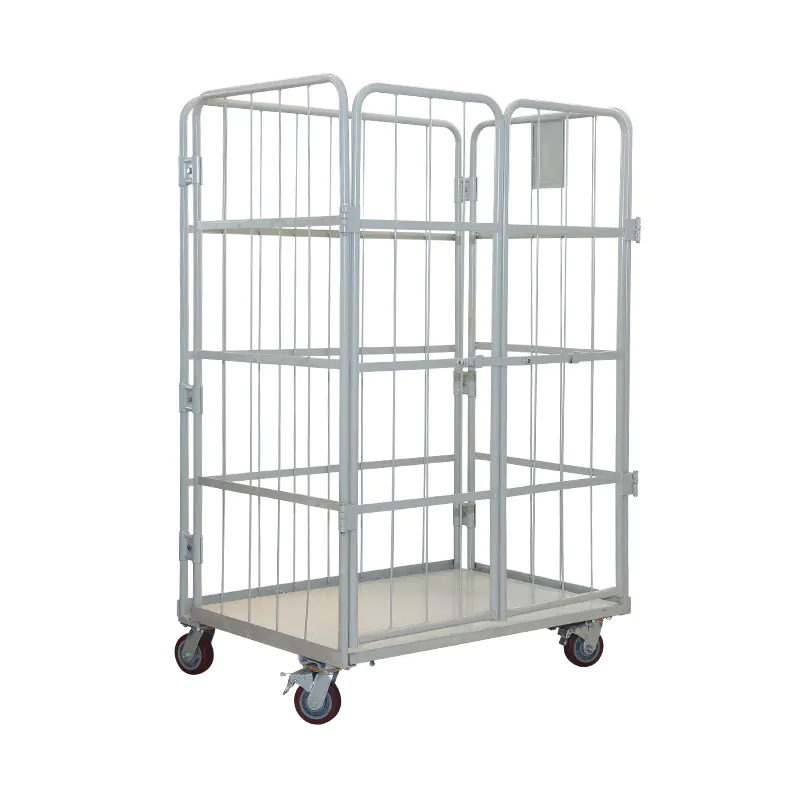
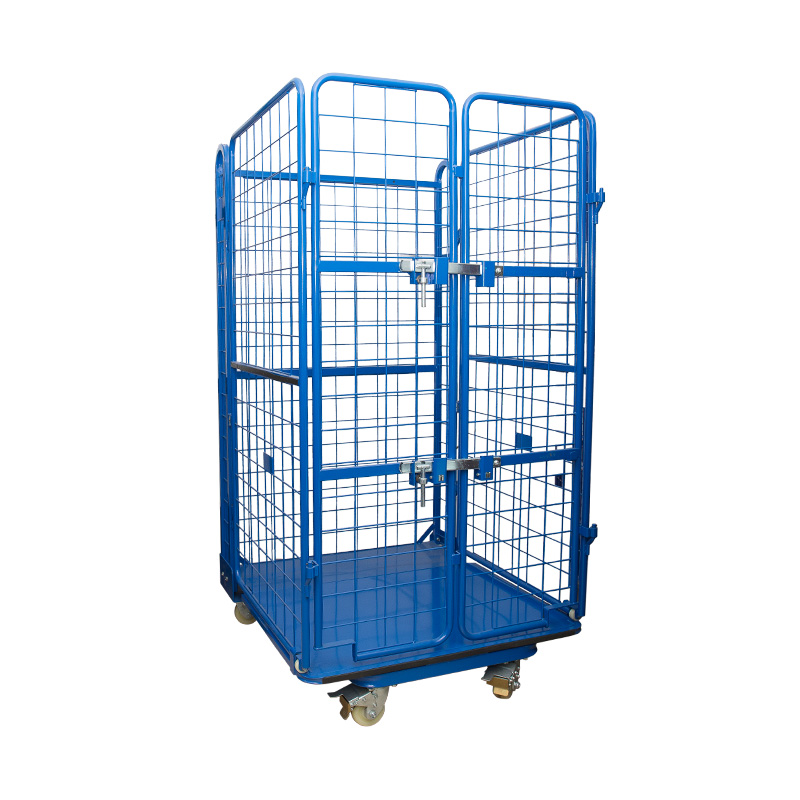
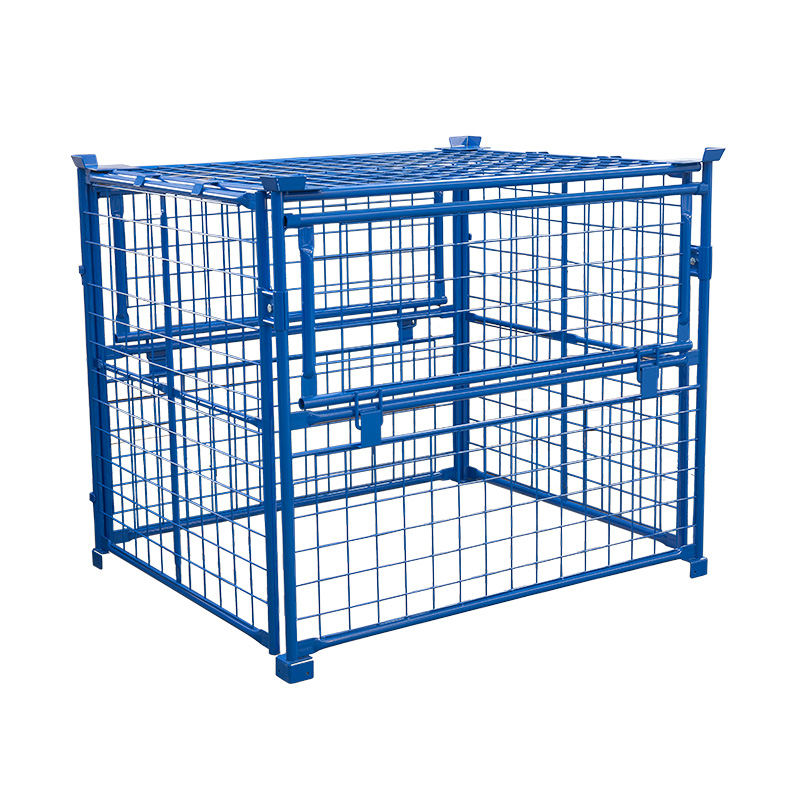
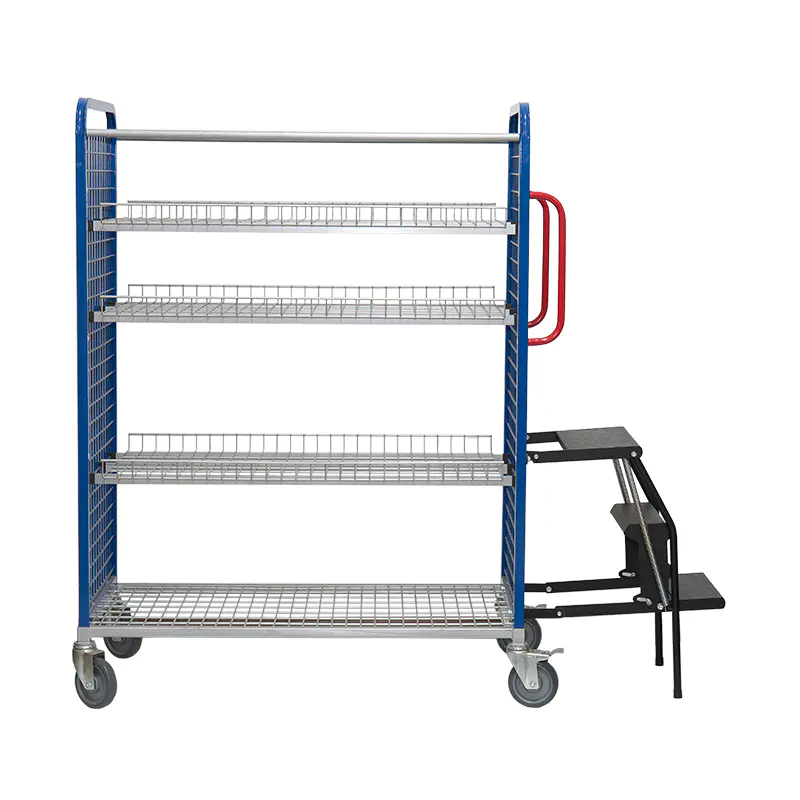
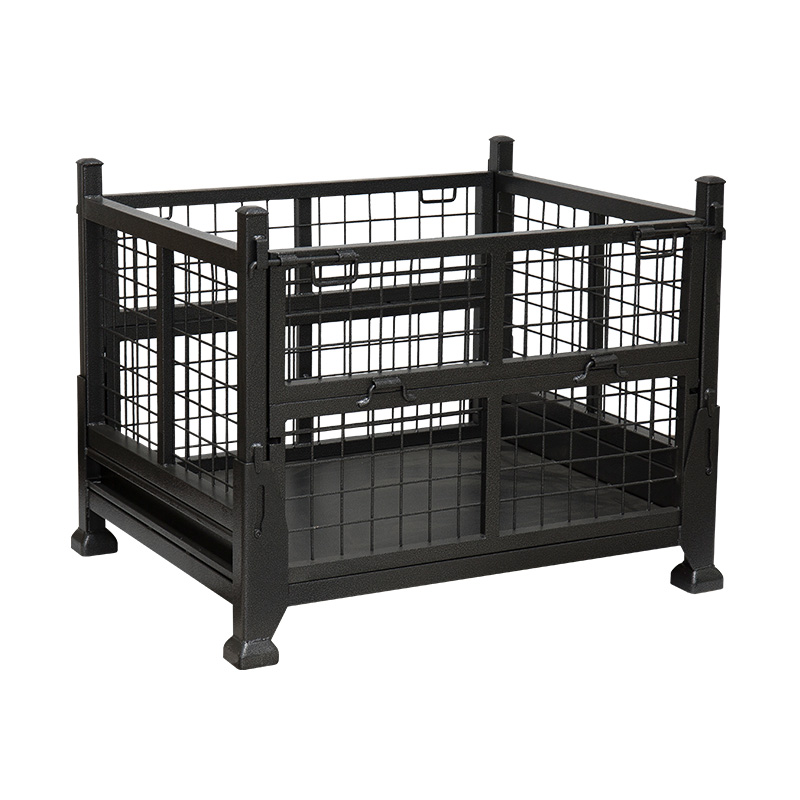
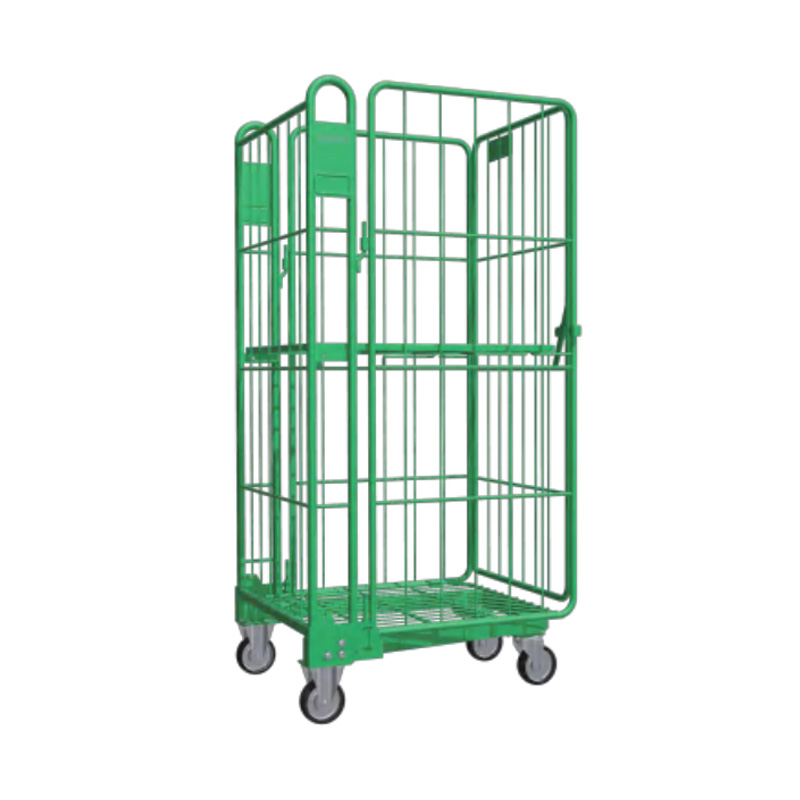
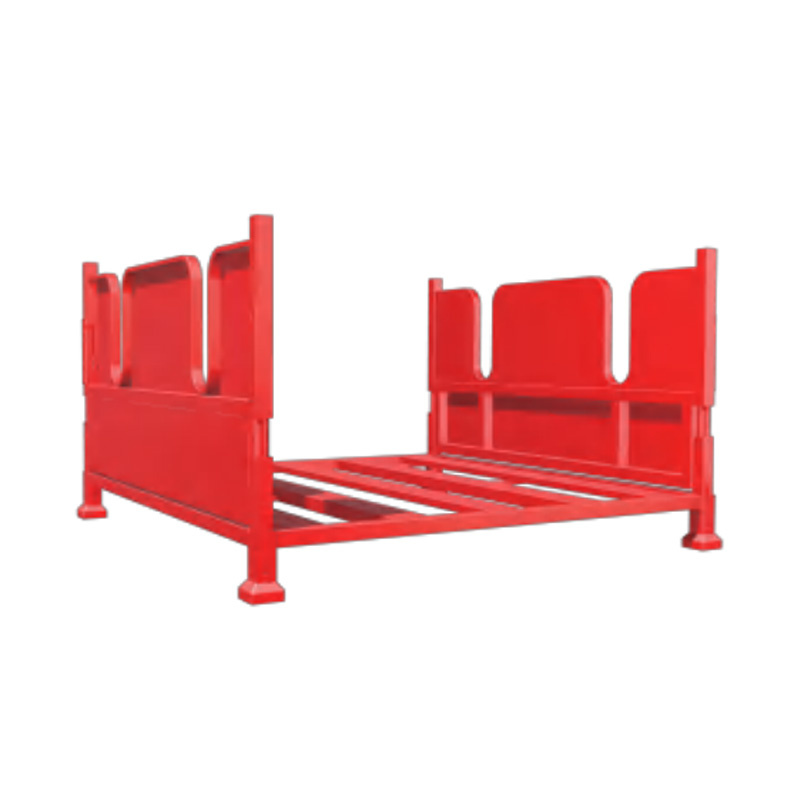
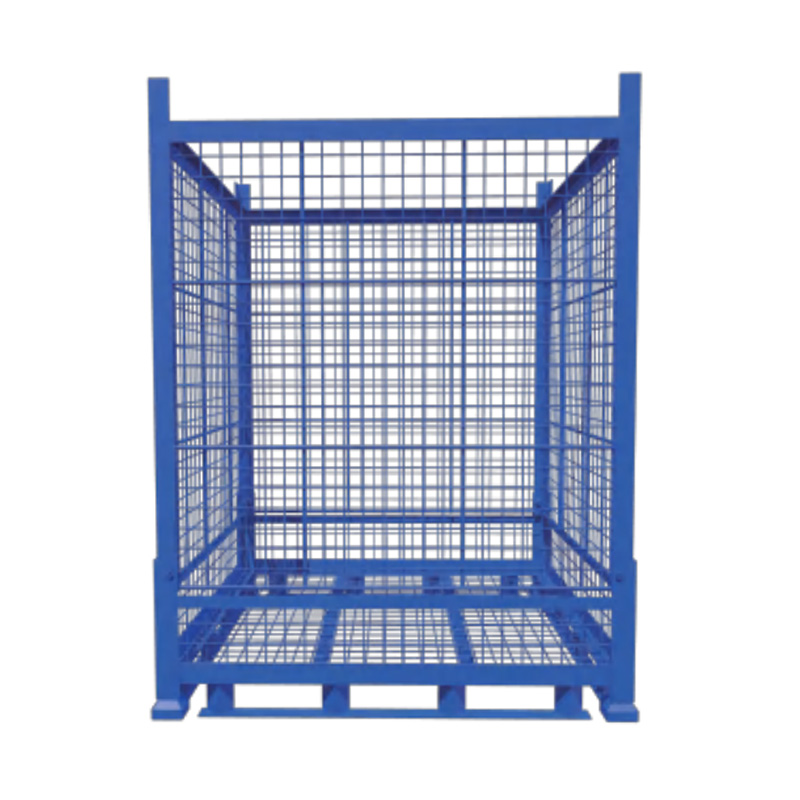
A typical 1200×800 mm roll cage occupies 0.96 m² when deployed. When nested at a 3:1 ratio, the same footprint holds three units, effectively compressing storage volume by 66%. For a distribution centre with 500 cages, this translates to reclaiming over 160 m² of prime operational space.
Nesting is not merely a stacking trick; it alters the fundamental density equation. Warehouses that adopt moving roll cages with integrated nesting report a 20–30% increase in usable storage density compared to static racking. The storage cages on wheels also eliminate the need for dedicated empty-cage parking zones, which often consume 8–12% of floor area in high-turnover facilities.
2. Operational Dynamics: Workflow and Throughput
Nestable design directly impacts picking and replenishment cycles. A study of 12 mid-sized logistics hubs showed that switching from fixed pallet racking to cages on wheels reduced average travel distance per pick by 18%, because mobile distribution trolleys can be staged dynamically near dispatch doors.
The wheeled cages support just-in-sequence delivery to production lines. One automotive parts supplier reduced line-side inventory by 37% after deploying a fleet of z shaped zinc mobile roll container cage trolleys, because the Z-base design enables stable towing in trains, cutting repositioning time by half.
3. Structural Comparison: U‑Shape, Z‑Shape, and Galvanized Foldable
Each geometry serves distinct operational niches. The U‑shape base offers maximum stability for tall, unbalanced loads; the Z‑shape facilitates compact nesting and towing; the galvanized foldable version adds collapsible side walls for mixed freight.
Field data indicates that the u-shaped warehouse storage rolling container cage trolley excels in e-grocery order consolidation, where heavy crates require low centre of gravity. Meanwhile, the galvanized nestable foldable roll container is preferred by third-party logistics providers because its collapsible walls allow flat stacking during return transport, cutting deadhead freight costs by up to 22%.
4. Radar Comparison of Operational Criteria
To visualise the trade-offs, we benchmark the three designs across five dimensions: mobility, nesting density, load stability, floor protection, and maintenance ease.
The radar clearly shows that the z shaped zinc mobile roll container cage trolley leads in nesting density, while the U‑shape provides superior load stability—a crucial factor for fragile goods. The foldable galvanized variant offers the best maintenance accessibility due to its open-frame design.
5. Process Flow: From Receiving to Dispatch
Integrating nestable roll containers into a warehouse process requires rethinking the flow of empty units. The following flow chart illustrates a high-density receiving-to-dispatch cycle using moving roll cages.
This closed-loop system reduces empty travel time by 43% compared to fixed-cart workflows. The storage cages on wheels are staged directly in picking aisles, and after unloading, they are nested and returned to a compact buffer zone, ready for the next inbound wave.
6. Data-Driven Decision: Selecting the Right Cage
Choosing between the three core types depends on throughput, load profile, and floor layout. The table below summarises key performance indicators from a 6‑month trial across three DCs.
Metric
Galvanized foldable
U-shape
Z-shape
Nesting ratio (empty)
2.8:1
3.2:1
3.8:1
Avg. load (kg)
620
740
670
Floor space saved (%)
62%
68%
74%
Towing train max units
6
5
8
For high‑density storage with frequent lane changes, the Z‑shape delivers the best floor space utilisation. For mixed pallet and tote handling, the galvanized nestable foldable roll container offers flexibility, while the U‑shape is the default for heavy automotive components.
7. Implementation Roadmap and ROI
Transitioning to a nestable roll container fleet typically follows a four‑phase roadmap: audit current footprint, select cage geometry, pilot in one aisle, then scale. A mid‑size warehouse (10,000 m²) reported a 19‑month payback period after deploying 300 moving roll cages, with annual space‑related savings of $87,000.
The cages on wheels also reduce labour hours for empty cart retrieval by 40%, because nested stacks can be moved en masse with a tugger train. This operational leverage makes the initial investment highly attractive, especially in markets where labour costs are rising.
8. Frequently Asked Questions
Q1: What is the maximum nesting ratio achievable with these roll containers?
Typically between 3:1 and 4:1, depending on the model. The Z‑shaped design offers the highest ratio (up to 4:1), while the U‑shape averages 3.2:1. The galvanized foldable version achieves about 2.8:1 due to its collapsible side walls.
Q2: Can nestable roll containers be used in automated storage systems?
Yes. Many AGV and shuttle systems are compatible with standardized cage footprints. However, the Z‑shape is preferred in automated environments because its tapered base allows for precise docking and hand‑off.
Q3: How do these cages perform on uneven warehouse floors?
The U‑shape provides the best stability on uneven surfaces due to its wide base. All models feature durable castors; for floors with frequent debris, the galvanized version’s open‑frame design makes cleaning easier.
Q4: What maintenance is required for wheeled cages in high‑use settings?
Regular castor inspection and bearing lubrication are recommended every 500 operating hours. The zinc‑coated Z‑shape models are particularly corrosion‑resistant, reducing maintenance frequency in humid environments.



 Español
 русский
 عربى
عربى