


 Español
 русский
 عربى
عربى
Don't hesitate to send a message
Search
Recent Post
Newsletter
Why High-Security Roll Containers Are Transforming Express Delivery and Retail Supply Chains
The global supply chain landscape is confronting unprecedented challenges. Rising parcel volumes, shifting omni-channel demands, and the critical need to mitigate transit losses have forced hub managers to re-evaluate their material handling strategies. Traditional loose-loading methodologies and open pallets no longer suffice in high-throughput express delivery and retail environments. In transit, high-value consumer goods, electronics, and apparel face severe risks of shrinkage, damage, and systemic inefficiency.
To overcome these operational vulnerabilities, modern logistics frameworks rely heavily on specialized rolling fleet assets. Integrating a robust heavy duty security logistic cage for express delivery establishes a secure, continuous, and traceable unit load from the primary fulfillment center to the final delivery destination. This technical analysis explores the engineering benchmarks, operational benefits, and strategic deployment practices that protect cargo integrity and optimize modern distribution workflows.
Understanding the Shifting Roll Container Market
The global roll container market is experiencing an engineering transformation driven by automation compatibility and high-security mandates. Industrial transport units have progressed from basic structural frames into highly specialized, ergonomic, and anti-theft mobile enclosures. This shift responds directly to the specific vulnerabilities encountered during cross-docking operations and multi-stop retail distribution cycles.
Market Driver Analysis: Micro-fulfillment hubs and urban express cross-docks process thousands of mixed-SKU parcels every hour. High-velocity sortation leaves zero margin for manual handling delays or fragile packaging failures. Consequently, logistics networks are standardizing their fleets with full-security container metallic architectures to ensure long-term durability and structural rigidity under continuous mechanical stress.
Furthermore, internal logistics audits indicate that shrinkage typically peaks during the intermediate touchpoints of the distribution cycle: the transition from sorting conveyors to transport vehicles, and the final staging on the retail floor. By shifting from standard open pallets to fully lockable secure distribution roll cages, logistics operators build a physical barrier that deters opportunist theft, mitigates product drops, and simplifies fleet tracking.
Technical Specifications of High-Security Caged Trolleys
A premium caged trolley engineered for high-security transport must comply with strict manufacturing tolerances and material specifications. Industrial-grade transport assets use specific alloy compositions, wire mesh densities, and locking mechanism tolerances to guarantee high performance under heavy daily cycles.
| Engineering Parameter | Industrial Benchmark Standard | Operational Value |
|---|---|---|
| Frame Material Composition | High-tensile ERW structural steel tubing (Q235 grade equivalent) | Maximum structural rigidity with optimal strength-to-weight ratio |
| Enclosure Infill Mesh Density | 50 mm by 50 mm or 50 mm by 100 mm grid, 3.0 mm to 4.0 mm wire gauge | Prevents manual extraction of small parcels while preserving content visibility |
| Surface Finishing Technology | Bright electro-zinc plating with heavy-duty clear acrylic topcoat | Corrosion resistance exceeding 96 hours of continuous salt spray testing |
| Castor Specification Configuration | 2 fixed, 2 swivel with total-lock brakes; 125 mm elastic rubber or PU tread | Low rolling resistance (less than 10 kg starting effort) with floor protection |
| Safe Working Load Capacity | 500 kg to 800 kg static load; 500 kg dynamic payload capacity | Supports dense retail merchandise and heavy industrial express parcels safely |
The structural integrity of a courier logistics trolley relies significantly on its welding and assembly methods. High-security units utilize robotic MIG welding across all critical structural joints. This uniform thermal bond avoids the brittle points common in manual spot-welded alternatives, making sure the cage holds together even under sudden impact from forklifts or tail-lift operations.
Security Architecture and Tamper Prevention Mechanisms
To qualify as a genuine lockable security cage trolley, an asset must feature multiple layers of physical security. The design must explicitly prevent unauthorized access to the cargo when the unit is staged in unsecured loading bays or public retail zones.
Mechanism 1
Integrated Multi-Point Locking Bars
High-security cages utilize a continuous steel locking rod that engages at both the top roof plate and the lower chassis base simultaneously. This double-engagement mechanism prevents perpetrators from bending or prying open the corners of the doors to extract small items.
Mechanism 2
Heavy-Duty Padlock and Seal Hasp
The locking assembly includes a recessed, shrouded hasp designed to shield heavy-duty padlocks from bolt-cutter attacks. Additionally, integrated tamper-evident seal slots allow operations teams to track serialized plastic or wire seals at every transit step.
Beyond locking mechanisms, tamper prevention extends to the hinge design. Standard roll containers often have exposed hinge pins that can be quickly driven out with a hammer and punch. High-security retail supply chain rolling containers feature fully welded, anti-tamper internal hinges. These hidden configurations ensure that even if a hinge pin is targeted, the door remains locked and securely attached to the main frame structural body.
Quantifying the Operational Benefits of Roll Containers
Deploying high-security rolling assets delivers clear operational advantages across express delivery hubs and retail distribution pathways. Analyzing these system benefits helps logistics managers build clear, data-driven return on investment models for upgrading their equipment fleets.
The container benefits across the supply chain flow focus on three main operational pillars:
- Acceleration of Vehicle Turnaround Times: Loading or unloading loose parcels or complex wooden pallets from a line-haul trailer typically requires substantial manual labor and specialized forklift support. In contrast, nestable roll containers allow a single logistics operator to quickly roll up to 800 kg of consolidated cargo via dock levelers, reducing trailer dwell time by up to 60 percent.
- Significant Reduction in Product Damage Claims: Crushing is a primary source of parcel damage during transit. The rigid steel frame of a heavy-duty security logistic cage provides excellent structural protection, taking on the shifting pressures of transport so delicate inner product packaging remains completely untouched.
- Enhanced Workspace Ergonomics and Safety: Manual lifting of heavy boxes causes frequent workplace injuries. Caged trolleys help operators transition from lifting tasks to smooth pushing and pulling movements, reducing physical strain and lowering worker compensation risks.
Optimizing Storage Solutions for Modern Retail Environments
Within fast-paced retail stockrooms, floor space commands a high premium. Warehouse managers require versatile storage solutions for retail that optimize square footage during peak inventory builds while remaining easy to consolidate when empty.
This operational flexibility is achieved through advanced A-frame or H-frame nestable chassis designs. When empty, the base fold-up mechanism allows multiple units to interlock closely together. This nestable feature optimizes warehouse floor space during off-peak windows, allowing facilities to reclaim valuable storage area for inbound inventory processing.
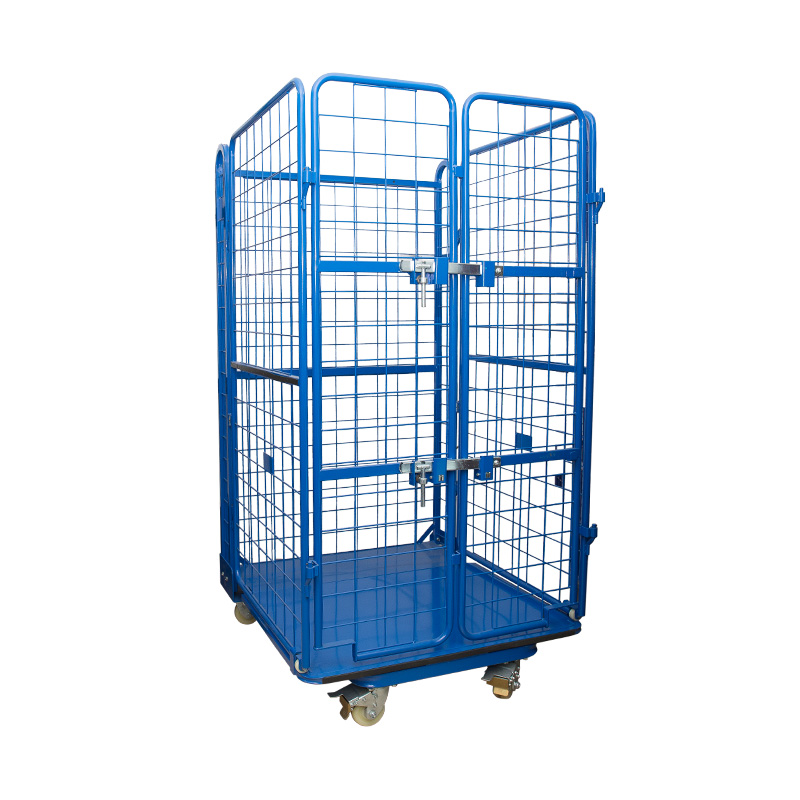
Figure 1: High-security logistic roll containers featuring zinc-plated steel frames and integrated multi-point security locking systems.
Moreover, modern retail setups rely heavily on these units for secure cross-docking workflows. High-value stock can be sorted directly into dedicated roll containers at central fulfillment hubs, sealed with serialized tracking tags, and rolled straight onto the retail sales floor without intermediate handling. This closed-loop process significantly reduces product touches, mitigates errors, and keeps inventory protected from stockroom to shelf.
Best Practices for Fleet Maintenance and Operational Longevity
To maximize the lifespan of a secure distribution roll cages fleet and minimize capital expenditure, logistics operations should implement a structured preventative maintenance program. Regular asset audits help ensure high-security features perform reliably across their entire service life.
Operations teams should integrate these core maintenance workflows into their standard operating procedures:
- Scheduled Castor and Bearing Inspections: Castors collect floor debris, stretch wrap remnants, and strap fragments. Debris accumulation stops wheels from turning freely, causing flat spots on treads and increasing physical strain for operators. Fleet technicians must clean wheel hubs and apply food-grade or industrial lubricants every quarter.
- Locking Bar and Hasp Alignment Audits: Daily transport vibrations can gradually loosen or misalign locking bars. Regular inspections ensure that sliding bolts, internal catches, and padlock hasps line up perfectly, allowing quick sealing and preventing forced entry vulnerabilities.
- Structural Frame and Weld Integrity Checks: Technicians should regularly check high-stress areas like chassis corners, castor mounting plates, and door hinges for micro-cracks or bends. Catching minor structural issues early prevents on-road asset failures and protects operators from handling risks.
Frequently Asked Questions
Q1: Why is electro-zinc plating preferred over standard painted finishes for logistics cages?
Electro-zinc plating provides a durable chemical bond that resists chipping, scratching, and peeling during impacts. Painted surfaces scratch easily, exposing raw steel to moisture and causing fast rust development in humid cross-docks and open transport bays.
Q2: How do high-security roll containers integrate with automated sorting systems?
Modern cages feature flat, uniform steel bases and standardized footprints designed for automated transport. They can be equipped with permanent RFID tags or barcode panels, allowing warehouse control systems to track individual assets as they move through automated sortation lines.
Q3: What is the benefit of choosing an A-frame nesting design over a demountable cage?
A-frame nesting roll containers fold and nest together quickly without requiring disassembly. Demountable cages require operators to manually remove side panels, which increases labor times, risks losing components, and creates potential safety hazards in busy stockrooms.
Q4: How does mesh size affect security and structural integrity?
A tight mesh grid like 50 mm by 50 mm prevents small items from being extracted manually from outside the cage, while increasing the structural strength of the side walls. Smaller grid patterns require more steel wires, which stiffens the frame and helps it resist impacts from other warehouse equipment.
Q5: Can heavy-duty secure roll containers be safely operated on tail-lifts?
Yes, provided they are fitted with high-quality total-lock braking systems and the tail-lift is rated for the dynamic weight. Operators must engage the castor brakes before operating the lift mechanism to prevent shifting or tipping during movement.
Related products
-
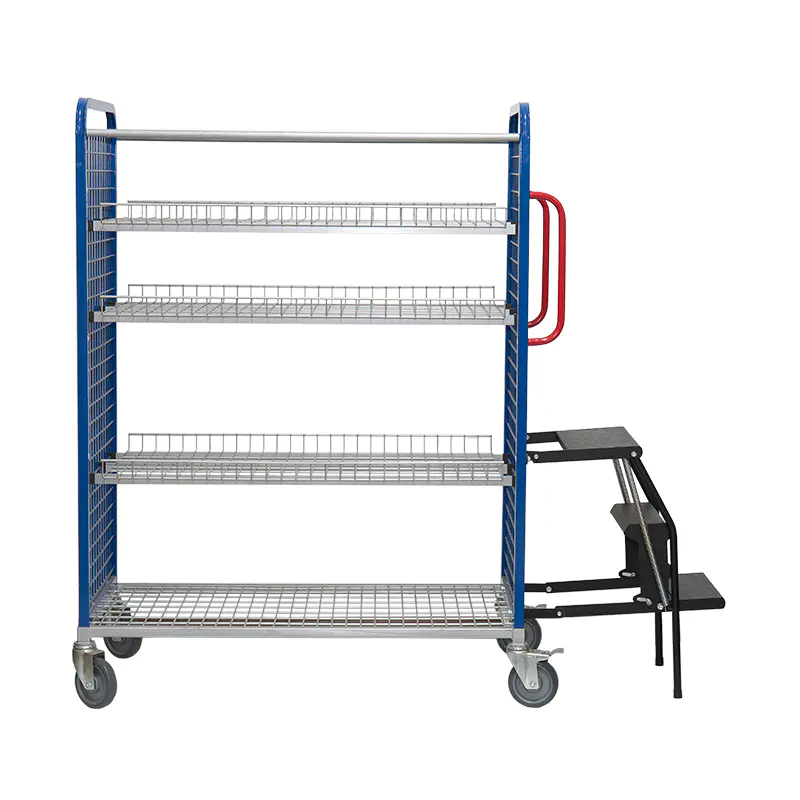
Product specification:This Warehouse wire mesh Multi-Tier Order Picking Trolley adopts a chassis and side panel structur...
See Details -
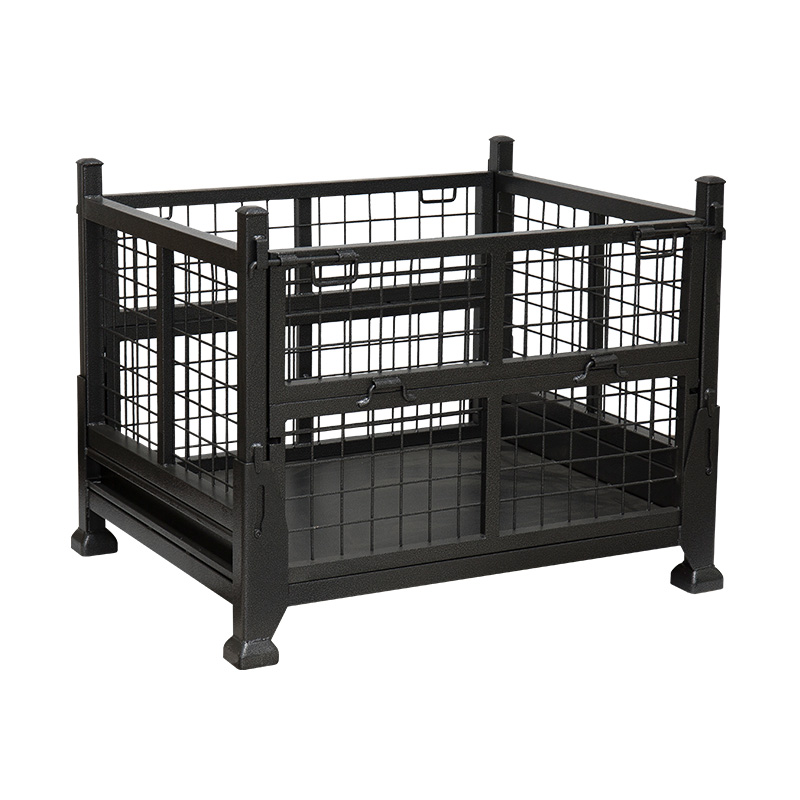
Foldable pallet cages are an important tool in factory logistics. They play an important role in transportation, distrib...
See Details -
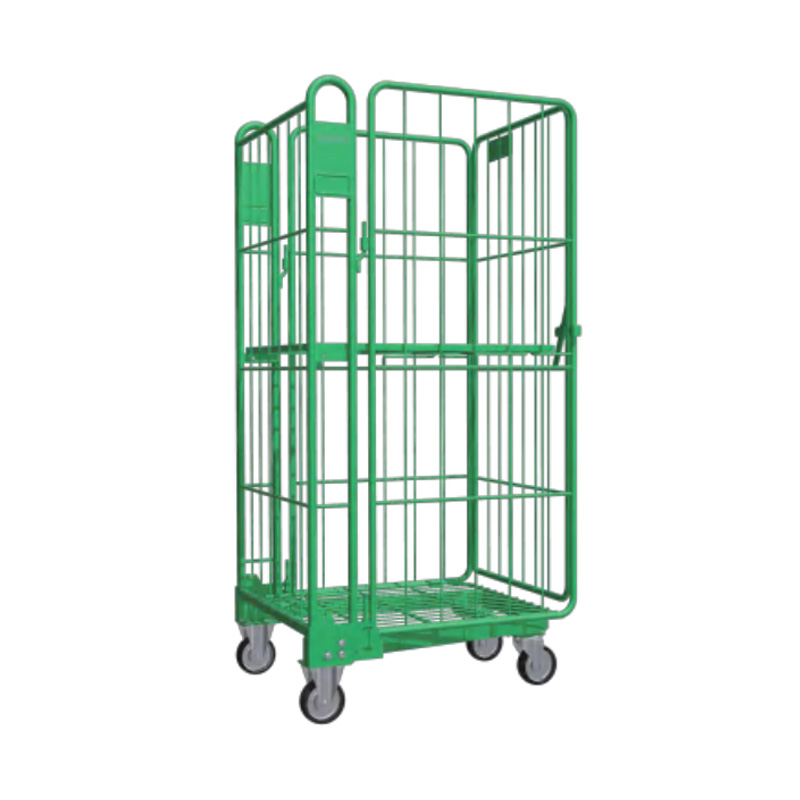
Product specification:The chassis is made of a square tube frame, with a bottom metal sheet tray that can be folded up a...
See Details -
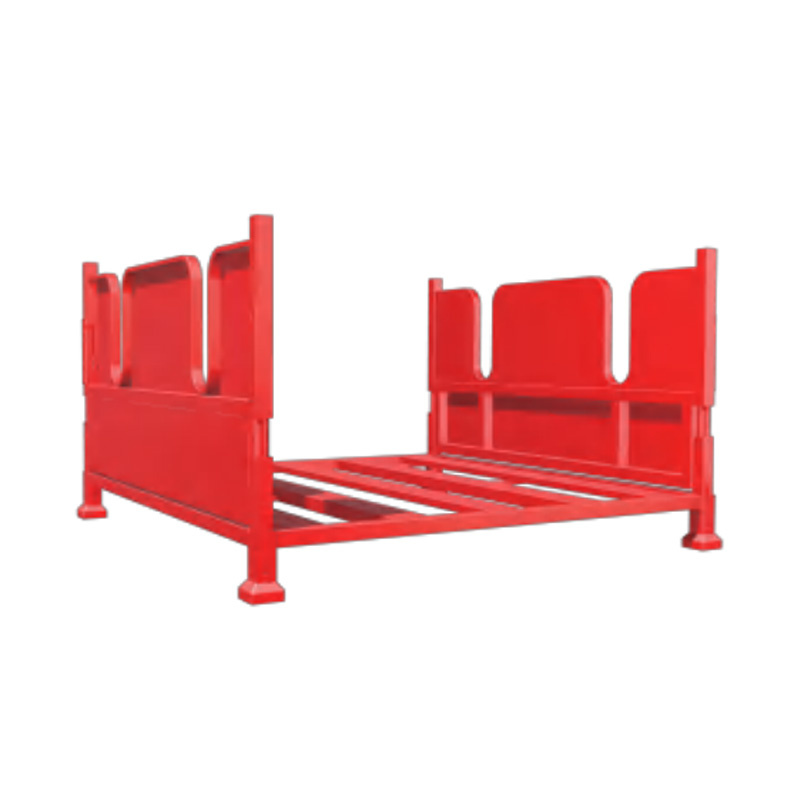
Stacking rack, also known as Qiaogu rack or stacking rackIt is a transportation and storage device derived from pallets ...
See Details -
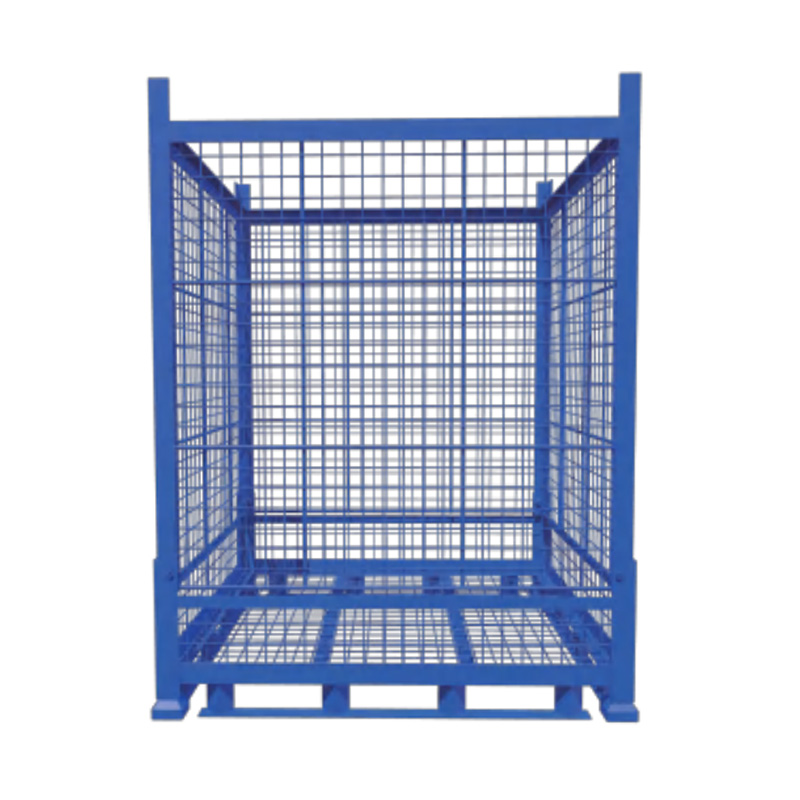
Product specification:Container structure made of L-Type plate frame with 50×50 wire mesh, with base support.Surface tre...
See Details

Information
-
Building B5, No. 138, Weixi Road, Weixi Village, Weitang Town, Xiangcheng District, Suzhou City, China.
-
Tel:
+86-13862140414
+86-13951110334 -
Phone: +86-512-65905480
